Patna's Tattoo Craze Sparks a Thriving Industry of Laser Removal
In Patna, the narrative surrounding tattoos is undergoing a dramatic transformation, increasingly centered on erasure rather than expression. As the city wholeheartedly embraces body art with unprecedented enthusiasm, a parallel industry has firmly taken root – the lucrative business of undoing what was once considered permanent. The needle, it appears, now operates in reverse, symbolizing a profound shift in both consumer demand and societal mindset.
Cultural Shifts and Strategic Investments
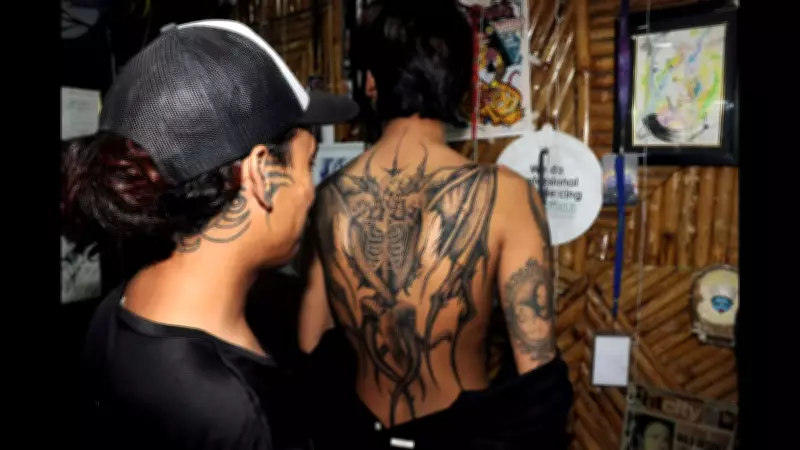
Across prominent areas like Boring Road, numerous tattoo studios have established discreet "laser zones," clearly indicating this evolving trend. Investments in advanced removal technology are strategic and calculated. The rise of "un-inking" reflects a deeper cultural churn where personal choices, once worn with immense pride, are being meticulously reconsidered under the heavy weight of time, changing circumstances, and unforeseen consequences.
Diverse Motivations Behind Removal
The motivations for seeking tattoo removal are as varied and intricate as the tattoos themselves. For many individuals, the impulse is deeply personal and emotionally charged. For others, it is starkly professional and pragmatic. A significant segment of those pursuing removal consists of young aspirants diligently preparing for careers in police, army, and various defence services. Strict recruitment norms leave minimal room for visible tattoos, compelling candidates to erase parts of their personal history to secure a stable and promising future.

Additionally, the wedding season brings its own set of challenges, a period when the past resurfaces in inconvenient and awkward ways. Amit Raj, owner of a well-known tattoo studio in Patna, observes a clear and recurring pattern. "We receive numerous clients who urgently need to erase the name of an ex-partner because they are getting married to someone else. Names of 'beloveds' are undoubtedly the most regretted tattoos in Patna," Amit explains candidly.
Technical Regrets and Industry Debates
Regret, however, is not always emotional; sometimes, it is purely technical. Poorly executed tattoos – often done at cheaper, unprofessional parlours – blur, fade, or distort over time, leading to dissatisfaction. One such client, pointing to an illegible script on his hand, lamented, "It was cheaper so I chose the place, but now due to its poor quality, it has been completely spoiled."
Within the tattoo industry itself, there exists no consensus on the best approach to handle tattoo regret. Artist Karim Khan remains openly sceptical of laser removal methods. He strongly prefers the artistry of transformation over the science of deletion. "Laser never provides a 100% result, and the long-term side effects are often unknown and concerning," Karim asserts.
Pragmatic Views and Technical Demands
In contrast, Amit adopts a more pragmatic viewpoint. Having invested in advanced laser technology back in 2020, he views it as an unavoidable necessity in today's market. "If a tattoo is too dark or excessively bulky, it simply cannot be covered up effectively. Laser removal is the only viable option," Amit states. Yet, he is quick to temper client expectations, emphasizing that removal is neither quick nor simple. It typically requires multiple sessions over at least six months and often costs significantly more than the original tattoo. "The machine's primary job is to break down the colour pigments. Small patches may stubbornly remain and only fade gradually with time," he clarifies.
Operating such sophisticated technology demands precision far beyond conventional tattooing. Selecting the correct settings, meticulously adjusting for individual skin types, and accurately targeting ink depth all require substantial technical expertise and specialized training.

Expert Insights and Regional Hub Status
Mahipal Krishna, who previously offered laser services, shares his insights. "Everyone was so intensely busy with tattooing that we didn't have the dedicated hands or sufficient time to give the laser the focused attention it truly requires." He emphasizes that removal is inherently more demanding than tattooing itself, necessitating specialized training and immense patience. Despite these challenges, he remains optimistic about its effectiveness. "We have witnessed nearly 95% success rates with modern machines when handled correctly and professionally," Mahipal notes.
Interestingly, many individuals seeking removal are not exclusively from Patna. The city has evolved into a regional hub for such specialized services, attracting clients from surrounding areas and districts. Having witnessed emotional distress first-hand, experienced artists are becoming increasingly cautious during initial consultations. "Usually, when people come in asking for letter tattoos or names of partners, we proactively warn them about potential future regrets," Mahipal advises.
Medical Caution and Final Thoughts
Medical experts, however, strongly urge restraint and caution. Farheen Jamal, a respected cosmetologist, warns against relying solely on studio-based removal services. "If someone assures you that a tattoo can be completely removed in just 5 or 6 sessions, they are likely not being truthful," Jamal cautions. Different ink colours demand different wavelengths, and potential complications such as burns or allergic reactions require proper clinical expertise and oversight. "People are often excited and impulsive when getting a tattoo, but they quickly lose patience during the lengthy and tedious removal process," she adds, highlighting a common behavioural pattern.
This burgeoning industry in Patna underscores a complex interplay of personal expression, professional requirements, and evolving cultural norms, making tattoo removal a significant and growing facet of the city's urban landscape.