Huda Beauty Faces Mounting Boycott Over Founder's Controversial Posts
For years, Huda Kattan represented a specific kind of beauty industry success story. Her approach was bold, unapologetic, and deeply personal rather than corporate-polished. She didn't merely sell cosmetics products like lipsticks and eyeshadow palettes. Instead, she marketed something more profound: the belief that any determined woman with a smartphone, strong opinions, and relentless hustle could build an empire from scratch.
From Instagram Stories to Global Controversy
Huda Beauty didn't emerge from traditional corporate boardrooms or established fashion houses. The brand grew organically through Instagram stories, YouTube tutorials, and authentic engagement in comment sections. Its success stemmed from customers feeling a genuine connection with Kattan herself, as if they knew her personally. However, this immense influence now presents a significant challenge as the same reach that built her empire works against her.
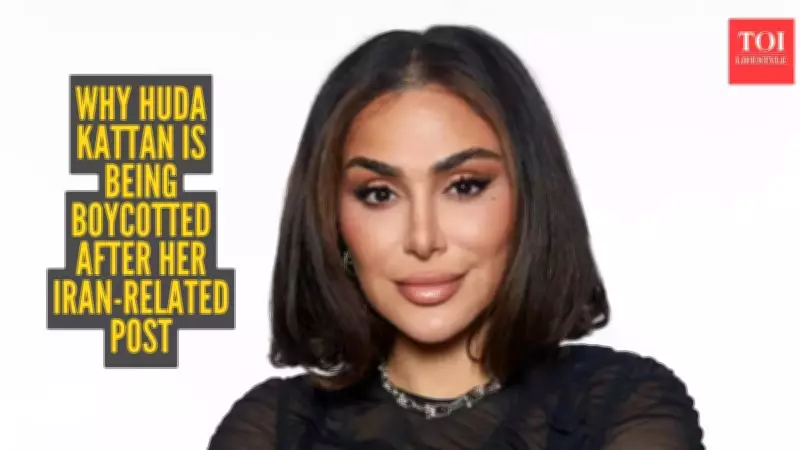
Over recent weeks, Huda Beauty has found itself at the center of a rapidly expanding boycott movement. The controversy began when Huda Kattan shared a video related to protests in Iran. While some viewers interpreted this as general commentary, many Iranian observers perceived it quite differently.

Critics argue the video appeared to echo visual elements and narratives associated with the Iranian regime while overlooking the perspectives of protesters who often face severe personal risks. For individuals living through this reality or watching family members endure it, the post seemed unbalanced and careless. Coming from someone with Kattan's substantial platform, this perceived insensitivity carried extra weight and caused deeper offense.
The Swift Backlash and Broader Questions
The response emerged quickly and decisively. Iranian users, activists, and supporters began mobilizing calls to boycott Huda Beauty products. Social media posts circulated widely, screenshots spread across platforms, and hashtags gained momentum rapidly. What started as isolated criticism transformed into organized digital pressure campaigns.
This situation raises uncomfortable but crucial questions about influencer responsibility in global discourse. When beauty influencers discuss international conflicts, how much research constitutes sufficient preparation? Is maintaining silence the safer approach? Or does speaking without proper context potentially cause more harm than remaining quiet?
For many critics, the core issue extends beyond what was explicitly stated. The problem equally involves what was omitted or overlooked. As the backlash intensified, previous controversies resurfaced to compound current concerns.
Past Controversies Return to Spotlight
Last year, Kattan faced substantial criticism after sharing posts suggesting Israel was responsible for multiple global tragedies, including wars and terrorist attacks. Jewish organizations and monitoring groups labeled these claims as dangerous and rooted in longstanding antisemitic tropes. TikTok eventually removed the content for violating platform guidelines, but public memory retains such incidents.
Now, these past controversies have reentered the conversation, adding significant weight to current demands for accountability. The present situation demonstrates that consequences no longer remain confined to comment sections or social media platforms.
Real-World Business Impacts Emerge
Shoppers have begun directing attention toward retailers carrying Huda Beauty products. Sephora, one of the brand's primary stockists, faces particular pressure as customers demand clarity about the company's stance. Online petitions circulate widely, signaling a broader shift in consumer expectations regarding how beauty companies should respond during politically sensitive situations.
While no major retailer has announced a complete severance of ties yet, the intense scrutiny itself speaks volumes. Beauty brands no longer operate within isolated commercial bubbles. When a founder's identity becomes inseparable from their products, their personal beliefs—and their silences—become integral components of what consumers purchase.

The Weight of Influence in Modern Beauty
Huda Kattan has not publicly addressed the latest backlash. In today's perpetually connected beauty landscape, silence rarely maintains neutrality for extended periods. When a brand builds its identity so closely around one individual, personal opinions can transform into substantial business risks almost overnight.
This moment transcends a single brand's challenges. It indicates a fundamental shift within the beauty industry itself. Influencer-led empires thrive on authenticity and outspokenness, but this same openness demands careful consideration, contextual understanding, and genuine awareness of how words resonate—especially when addressing matters involving human rights and political violence.
Huda Beauty was constructed upon foundations of boldness and confidence. The pressing question now becomes whether that boldness can incorporate space for genuine listening, thoughtful reflection, and meaningful accountability. Being heard carries significant responsibility, and once individuals or brands possess that level of influence, there exists no possibility of speaking lightly without consequences.