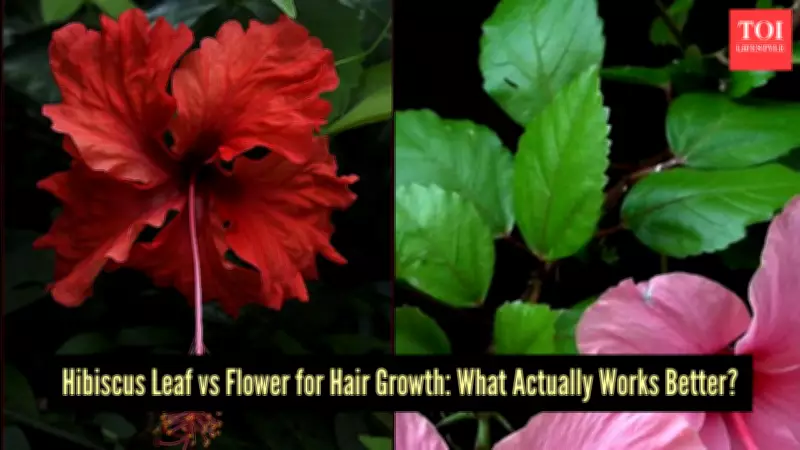
Hibiscus Flower vs Leaf: The Ultimate Hair Growth Showdown
In the rich tapestry of Ayurvedic beauty traditions, hibiscus stands as a revered natural ingredient, celebrated for centuries under names like 'jaswand' and 'gudhal' in India. This vibrant plant has been a cornerstone in holistic hair and skincare routines, with both its leaves and flowers lauded for their ability to encourage hair growth, minimize breakage, and impart a subtle, healthy shine. But when it comes to maximizing hair growth potential, the question arises: should you prioritize the leaves or the petals? Let's delve into the science and benefits of each to uncover the real winner.
How Hibiscus Leaves Work for Hair Growth
The leaves of the hibiscus plant are believed to play a crucial role in enhancing scalp health and promoting hair growth. Their primary function is to improve blood circulation to the scalp, ensuring that essential nutrients are delivered more effectively to the hair follicles. This stimulation is key to activating follicle growth and reducing hair fall. Additionally, hibiscus leaves help regularize the pH balance of the scalp, soothing irritation and reducing triggers for hair loss. They are also effective in combating dandruff and keeping scalp inflammation at bay, creating an optimal environment for healthy hair to thrive.
How Hibiscus Flower Petals Work for Hair Growth
On the other hand, the flower petals of hibiscus are packed with amino acids that accelerate keratin synthesis. This process strengthens the hair shaft, making locks more resilient against breakage and damage. The petals provide a deep conditioning effect, reducing dryness and taming intense frizz. By fortifying the hair structure, they indirectly help in retaining length and minimizing split ends, contributing to overall hair health and appearance.

Practical Ways to Use Hibiscus for Hair Care
Incorporating hibiscus into your hair care routine is simple and versatile. Here are some effective methods:
- Hibiscus Leaf Paste: Grind fresh hibiscus leaves with a small amount of water or coconut oil to create a paste. Massage this onto your scalp and apply it weekly to harness its growth-promoting properties.
- Flower Petal Mask: Blend hibiscus petals with yoghurt and aloe vera gel to form a nourishing mask. This combination offers deep conditioning and keratin support, ideal for strengthening hair.
- Herbal Rinse: Boil hibiscus petals or leaves in water, allow the mixture to cool, and use it as a final rinse after shampooing. This helps in detangling and adding shine.
- Infused Oil: Steep hibiscus parts in your preferred carrier oil, warm it slightly, and apply to the scalp. This method aids in improving blood circulation and nourishing the hair roots.
Which is Better: Leaves or Flowers?
If your primary goal is to promote hair growth and reduce hair fall, hibiscus leaves are generally considered more potent due to their comprehensive nutrient range and follicle-stimulating action. However, if you aim for shinier, softer locks with enhanced keratin strength, hibiscus petals are the ideal choice. For the best results, a synergistic approach using both leaves and flowers together is recommended, as this combines the growth benefits of the leaves with the conditioning and strengthening properties of the petals.
In summary, while both parts of the hibiscus plant offer significant hair care advantages, the leaves excel in growth promotion, and the petals shine in conditioning. Embracing both can lead to healthier, more vibrant hair, rooted in ancient Ayurvedic wisdom.