How Visiting Banaras Ghats Transforms Perspectives on Life and Death
Banaras, also known as Varanasi, possesses a unique ability to quiet the mental noise of modern life. The city's extensive riverfront stretches approximately 6.5 kilometers, featuring numerous ghats that serve not merely as steps to the sacred Ganga River but as vibrant stages where devotion, labor, grief, daily routines, and celebration coexist simultaneously. UNESCO recognizes Varanasi as one of the world's oldest continuously inhabited cities, with the ghats forming the core of its cultural and spiritual identity. Consequently, visitors often depart feeling they have not just toured a location but observed a living philosophy in action.
A Riverfront That Feels Alive
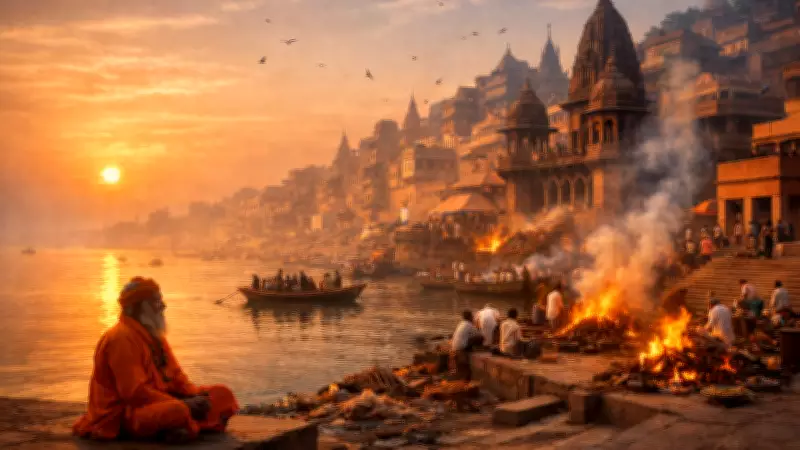
What immediately strikes most visitors is the rich sensory texture of the place. Narrow alleyways open onto broad stone steps, while temple bells resonate in the distance and the scent of incense permeates the air. The Ganga's appearance shifts with daylight, glowing pale gold at sunrise and deepening to a coppery hue by dusk. During early morning hours, the ghats adopt a meditative atmosphere with priests chanting prayers, bathers entering the river quietly, and boatmen preparing wooden vessels for the day. By evening, the same riverfront transforms into a theatrical spectacle as lamps illuminate the scene, chants echo, and crowds assemble for the Ganga Aarti at Dashashwamedh Ghat—a ritual characterized by rhythmic waves of fire, bells, and collective devotion.
Where Life and Death Share the Same Horizon
Perhaps the most profound transformation occurs when visitors recognize how naturally Banaras integrates life and death. At certain ghats, cremation fires burn continuously throughout day and night, serving as a visible reminder that mortality is not concealed here but openly acknowledged. Merely steps away, children play games, pilgrims offer prayers, and boats glide peacefully across the river.

For many travelers, this proximity alters their worldview. Death begins to feel less like an abstract fear and more like a natural transition within the broader rhythm of existence. Observing rituals along the river frequently inspires quiet contemplation about impermanence, purpose, and what genuinely holds significance. Paradoxically, confronting life's inevitable end can render the present moment more vivid and meaningful.
Standing at the ghats, people often grasp how fragile and brief life truly is. The constant presence of endings makes ordinary moments feel more precious—conversations with family, time spent with friends, even simply watching the river flow. This experience subtly reshapes priorities, with visitors frequently departing with the realization that life should not be endlessly postponed or consumed solely by worry and routine. Instead, it becomes a powerful reminder to cherish time, express love more openly, and pursue what truly matters without delay. Amidst those ancient stone steps, the urgency of living well becomes strikingly clear.
The Quiet Wisdom of Everyday Conversations
Another reason Banaras leaves a lasting impression is the city's abundance of observant residents. Beyond tourists with cameras, locals—including boatmen, priests, street vendors, students, and elderly inhabitants—often speak with a calm certainty that feels rare in contemporary life. Practical wisdom emerges in their discussions about the river, weather patterns, rituals, crowds, and the evolving city. These insights rarely arrive as formal lectures; they surface casually in conversations, through stories about the Ganga, or reflections on time, faith, and patience. This understanding, shaped by decades of living intimately with the rhythms of the place, is seldom encountered elsewhere.

How to Make the Most of Your Time There
- Start early: The finest version of Banaras often appears before the city fully awakens. A sunrise boat ride provides a comprehensive view of the ghats within a calmer, less crowded environment. Official tourism resources describe boat excursions as one of the city's defining experiences, and rightly so—from the water, you perceive Varanasi as a lengthy, breathing riverfront rather than a chaotic maze of steps and alleys.
- Do not rush walks: The authentic essence of Banaras frequently resides between famous landmarks. Dedicate time to Assi Ghat for its softer, youthful ambiance and morning spiritual sessions; proceed to Dashashwamedh for the evening ceremony; and approach Manikarnika Ghat with quiet respect, as it serves as a cremation site with deep religious significance. Even brief walks between ghats reveal how each space uniquely embodies the city's soul.
Eat Like You Belong There
Banaras is not solely a spiritual destination; it is also profoundly culinary. Street food here is as iconic as temples and the river. Morning staples include kachori sabzi and choora matar, while the city is equally renowned for its intricately layered Banarasi paan and flavorful snacks. Embrace local rhythms by enjoying kachori sabzi in the morning, taking a lassi break during afternoon heat, savoring paan after extended walks, and sampling chaat in the evening.
Travel Smart, Stay Present
- Wear comfortable footwear, as the ghats and lanes reward leisurely walking over hurried rushing.
- Keep valuables minimal and dress modestly near religious sites.
- For the Ganga Aarti, arrive early to secure a clear view, or observe from a boat for reduced crowd pressure.
- When the city slows your pace, allow it to do so. Banaras is not a place to "cover" quickly; it is a place to absorb deeply.
Ultimately, Banaras transforms individuals by gently confronting them with both devotion and mortality, emphasizing that life is fleeting yet profoundly meaningful. Witnessing the city's rituals and reflections along the river often leaves visitors with heightened awareness of how precious time and existence truly are.