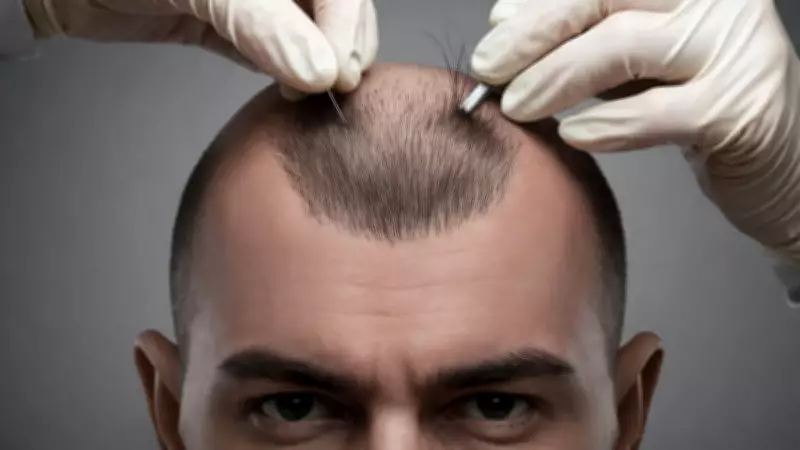
Gen Z Embraces Hair Transplants Before 30: A Proactive Approach to Aesthetics
In a significant shift in beauty and health behaviors, Generation Z is increasingly turning to hair transplants at younger ages, often before reaching 30. This trend marks a departure from traditional patterns where such procedures were typically associated with older individuals experiencing advanced hair loss. Driven by a desire for early intervention and a proactive stance on personal appearance, young adults are reshaping norms around hair restoration and cosmetic care.
The Rise of Early Intervention Strategies
Experts note that this movement is fueled by a growing awareness of hair loss prevention and treatment options. Gen Z, known for its tech-savvy and information-driven mindset, is accessing detailed resources online about hair health, leading to earlier diagnoses and actions. Many young people are opting for transplants not as a last resort but as a preventive measure to maintain a full head of hair and boost self-confidence.
Key factors contributing to this trend include:

- Increased social media influence, where images of ideal appearances are pervasive, prompting early concerns about hair thinning.
- Advancements in medical technology, making procedures less invasive and more accessible with quicker recovery times.
- A cultural shift towards wellness, where physical appearance is closely tied to mental health and overall well-being.
Implications for Beauty and Health Industries
This early adoption of hair transplants is having a ripple effect across related sectors. The beauty industry is seeing a surge in demand for products and services tailored to younger demographics, while healthcare providers are adapting their offerings to cater to this proactive clientele. Clinics report a noticeable uptick in consultations from individuals in their 20s, indicating a long-term change in consumer behavior.
Potential benefits and considerations:
- Early interventions may lead to better long-term outcomes by addressing hair loss before it becomes severe.
- There is a need for increased education on the risks and realistic expectations associated with such procedures at a young age.
- This trend reflects broader societal changes, where younger generations prioritize self-care and aesthetic maintenance as integral parts of health.
As this trend continues to evolve, it underscores a larger narrative about how Gen Z is redefining standards of beauty and health. By taking charge of their appearance early on, they are setting new precedents for future generations, blending medical innovation with personal empowerment in the pursuit of confidence and well-being.