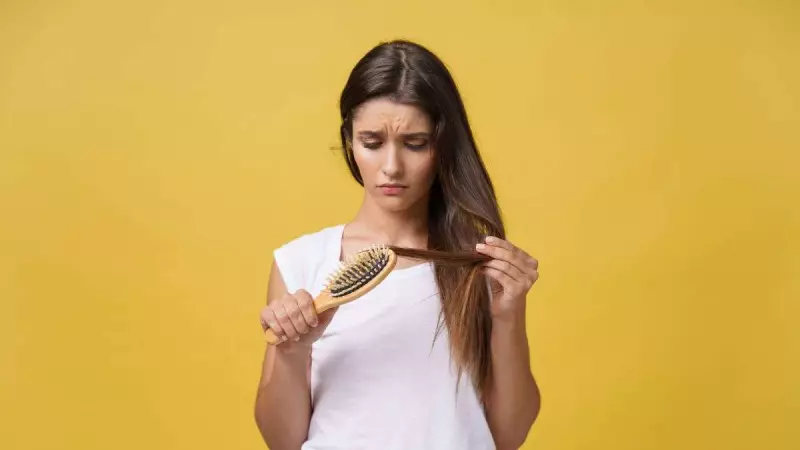
Hair loss is a widespread concern that affects a significant number of women across India, often causing considerable emotional distress. While it's a common issue, the reasons behind thinning hair and receding hairlines in women are complex and multifaceted. A leading dermatologist has shed light on the primary culprits, moving beyond generic explanations to pinpoint specific hormonal and physiological factors.
The Hormonal Rollercoaster: A Primary Driver
One of the most significant factors contributing to hair loss in women is hormonal fluctuation. Our hair growth cycle is deeply sensitive to changes in hormone levels. Conditions like Polycystic Ovary Syndrome (PCOS) are a major cause, as they create an imbalance between male and female hormones. This imbalance can lead to a type of hair loss called androgenetic alopecia, where hair thins primarily on the crown and top of the scalp.
Beyond PCOS, other life stages marked by hormonal shifts play a crucial role. Pregnancy, childbirth, and the postpartum period see dramatic changes in estrogen and progesterone. While many women enjoy thicker hair during pregnancy due to high estrogen, the sharp drop in hormones after delivery can trigger significant shedding, known as telogen effluvium. Similarly, the transition into menopause, with its declining estrogen levels, can alter hair texture and density, leading to noticeable thinning.

Beyond Hormones: The Critical Role of Deficiencies
While hormones are key players, they are not the only ones. The dermatologist emphasizes that nutritional deficiencies are a silent yet pervasive cause of hair loss. The modern diet, often rushed and lacking in variety, can fail to provide essential nutrients vital for hair follicle health and the hair growth cycle.
Several specific deficiencies are directly linked to hair health:
- Iron (Ferritin): This is perhaps the most common deficiency linked to hair loss, especially in women of childbearing age who experience monthly blood loss. Low iron stores can prematurely push hair follicles into the resting phase, leading to increased shedding.
- Vitamin D: Often overlooked, Vitamin D is crucial for creating new hair follicles. A deficiency can stunt new hair growth and is frequently observed in individuals with alopecia areata.
- Vitamin B12: Essential for red blood cell formation and oxygen transport, a B12 deficiency can result in weakened hair follicles and reduced hair growth.
- Protein: Hair is primarily made of a protein called keratin. Inadequate protein intake can force the body to ration this nutrient, diverting it away from non-essential functions like hair growth, leading to brittle and thinning hair.
Other Contributing Factors and the Path Forward
The expert also highlights additional stressors that can exacerbate or trigger hair loss. Chronic physical or emotional stress can induce telogen effluvium, where a large number of hairs simultaneously enter the shedding phase. Underlying thyroid disorders, both hypothyroidism and hyperthyroidism, disrupt the normal hair growth cycle. Furthermore, harsh chemical treatments, excessive heat styling, and tight hairstyles can cause physical damage and traction alopecia.
The critical takeaway is that female hair loss is rarely due to a single cause. It is typically a confluence of factors. The dermatologist strongly advises against self-diagnosis and the use of over-the-counter solutions without professional guidance. A proper diagnosis often requires a detailed medical history, physical examination of the scalp, and sometimes blood tests to check hormone levels and nutritional status.
Addressing hair loss effectively begins with identifying the root cause. Treatment may involve correcting deficiencies through diet or supplements, managing hormonal conditions with medication, adopting gentler hair care practices, and using targeted topical treatments like minoxidil under medical supervision. By understanding the intricate reasons behind hair fall, women can seek timely and appropriate medical help to manage the condition and promote healthier hair growth.