If there's one term that dominates the beauty industry relentlessly, it's collagen. From luxurious jars and elegant bottles to convenient sachets, chewable gummies, and even innovative coffee mixes, collagen promises firmer skin, reduced fine lines, and that coveted youthful bounce we all cherish. Yet, amidst this overwhelming array of products, confusion reigns supreme. Should you apply collagen topically, consume it orally, or combine both methods in hopes of achieving radiant skin?
Understanding Collagen: The Body's Essential Framework
Collagen serves as the fundamental scaffolding of your body, providing structural support that keeps skin firm, joints flexible, hair resilient, and nails strong. During youth, our bodies produce abundant collagen, resulting in elastic skin that rebounds quickly and minimal visible aging. However, starting in our mid to late twenties, collagen production gradually declines. Factors like sun exposure, pollution, stress, poor dietary habits, and inadequate sun protection accelerate this breakdown, leading to thinner, duller, and less elastic skin. Thus, maintaining collagen levels becomes crucial for sustained skin health.
The Truth About Collagen Creams
Collagen creams are often the first choice for many seeking anti-aging solutions. However, it's essential to understand their limitations. Collagen molecules are relatively large, preventing them from penetrating deeply into the skin. Consequently, these creams primarily remain on the surface, offering temporary benefits rather than long-term structural changes.

Despite this, collagen creams excel at providing intense hydration. They help lock in moisture, soften the skin's texture, and temporarily diminish the appearance of fine lines. For individuals with dry or dehydrated skin, these creams can deliver a comforting, plumper, and healthier-looking complexion. Think of them as a stylish outfit for your skin—enhancing its appearance without altering its underlying framework. Once washed off or discontinued, their effects fade, emphasizing their role as a superficial enhancer rather than a transformative treatment.
Collagen Serums: A Deeper Approach
Collagen serums represent a more advanced skincare strategy. Unlike creams, most serums labeled as "collagen-boosting" don't rely on collagen itself. Instead, they incorporate potent ingredients like vitamin C, peptides, retinol, niacinamide, and hyaluronic acid, which are small enough to penetrate the skin's deeper layers.
These active components stimulate the skin's natural collagen production, leading to gradual improvements in firmness, texture, and fine lines over time. Consistency is key, and pairing serums with daily sunscreen is non-negotiable to protect against UV-induced collagen damage. While serums can be highly effective, they may require an adjustment period for sensitive skin and don't yield overnight results. In the realm of topical anti-aging, serums often outperform creams by addressing the root causes of aging rather than merely masking symptoms.
Oral Collagen Supplements: An Internal Boost
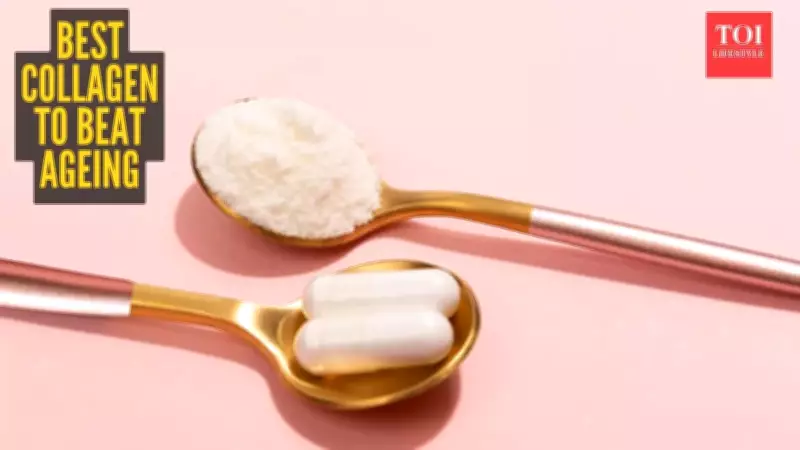
Collagen supplements, available as powders, capsules, and gummies, typically contain hydrolyzed collagen peptides, which are broken down for easier absorption. When ingested, collagen is metabolized into amino acids that the body distributes to various tissues, including skin, joints, bones, and muscles.
Research indicates that consistent collagen supplementation, especially when combined with vitamin C, can enhance skin elasticity, hydration, and wrinkle reduction over eight to twelve weeks. Additional benefits may include stronger nails, thicker hair, and improved joint comfort. However, results depend on supplement quality and overall nutrition—a diet lacking in protein and essential nutrients can undermine their efficacy. While collagen supplements aren't a miracle cure, dismissing them entirely overlooks their potential when used correctly.

Which Collagen Option Is Truly Best?
The reality is that no single collagen product works brilliantly in isolation. Each serves a distinct purpose: creams provide surface-level hydration and comfort, serums promote long-term skin improvement, and supplements support internal collagen synthesis. If forced to choose one, serums often deliver the most visible skin-related benefits, while supplements contribute to holistic aging support. Creams remain ideal for immediate hydration and a refreshed feel.
Optimal results emerge from a balanced, sensible combination rather than overwhelming your routine with every available product. More importantly, collagen efforts can be sabotaged by poor lifestyle habits. Sun exposure, inadequate sleep, high-sugar diets, and chronic stress accelerate collagen breakdown faster than any product can repair. Sunscreen, in particular, plays a pivotal role in preventing collagen degradation, outperforming many skincare products in anti-aging efficacy.
A Practical, Sustainable Skincare Routine
Supporting collagen isn't just about adding products; it's about eliminating detrimental behaviors and adopting a consistent, manageable routine. A simple yet effective regimen might include a quality serum and moisturizer with sunscreen in the morning, followed by occasional retinol use and moisturizer at night. If supplements align with your needs, collagen paired with vitamin C, alongside a nutrient-rich diet, can complement topical care.
Ultimately, collagen creams, serums, and supplements are tools rather than rivals. Expecting any single product to halt aging entirely is unrealistic. Aging is a natural process, and the goal should be healthy, cared-for skin that ages gracefully. In the world of collagen, slow, steady, and realistic approaches consistently triumph over fleeting hype and exaggerated promises.