The Transformative Power of Pranayama Breathing Exercises
Pranayama, the ancient yogic practice of controlled breathing, has emerged as a cornerstone of holistic wellness in modern times. This powerful technique involves regulating the breath to enhance physical, mental, and spiritual well-being. Originating from traditional Indian practices, Pranayama is now globally recognized for its profound impact on health, offering a natural and accessible way to combat the stresses of contemporary life.
Core Health Benefits of Regular Pranayama Practice
Engaging in Pranayama breathing exercises consistently yields a multitude of health advantages that permeate various aspects of life. The practice is renowned for its ability to significantly reduce stress and anxiety levels by calming the nervous system and promoting relaxation. Regular practitioners often report improved lung capacity and enhanced respiratory function, which is particularly beneficial for individuals with asthma or other breathing-related conditions.
Pranayama also plays a crucial role in boosting the immune system, helping the body fend off illnesses more effectively. The controlled breathing techniques increase oxygen supply to the blood, which in turn improves circulation and supports cardiovascular health. Many users experience better digestion and metabolic function as the practice stimulates the parasympathetic nervous system, encouraging the body to enter a state of rest and repair.

Essential Pranayama Techniques for Beginners
For those new to this practice, several foundational techniques provide an excellent starting point. Anulom Vilom, or alternate nostril breathing, is one of the most popular methods. This technique involves inhaling through one nostril while closing the other, then exhaling through the opposite nostril. It is celebrated for balancing the left and right hemispheres of the brain, promoting mental clarity and emotional stability.
Kapalbhati, often referred to as skull-shining breath, involves forceful exhalations followed by passive inhalations. This dynamic practice is known for its detoxifying effects and its ability to energize the mind and body. Bhramari, or humming bee breath, where one inhales deeply and exhales while making a humming sound, is particularly effective for reducing stress and calming the mind before sleep.
Integrating Pranayama into Daily Life
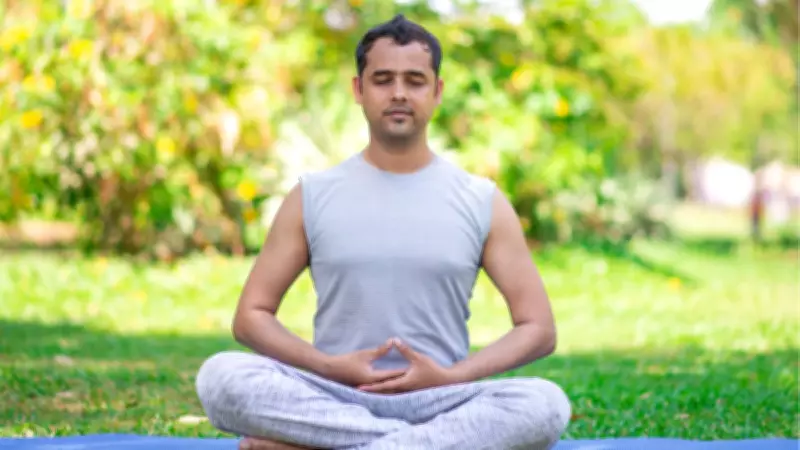
Incorporating Pranayama into a daily routine does not require extensive time commitments. Even dedicating just 10 to 15 minutes each morning can yield noticeable benefits. Experts recommend practicing in a quiet, well-ventilated space, preferably on an empty stomach. Sitting in a comfortable position with a straight spine is essential for optimal breath flow and effectiveness.
Consistency is key when it comes to reaping the full rewards of Pranayama. Starting with simpler techniques and gradually progressing to more advanced practices allows the body and mind to adapt comfortably. Many practitioners find that combining Pranayama with other wellness activities, such as meditation or light stretching, enhances the overall experience and benefits.
Scientific Backing and Modern Applications
Contemporary scientific research has begun to validate what ancient practitioners have long known about Pranayama. Studies indicate that regular practice can lower blood pressure, reduce cortisol levels, and improve heart rate variability. The techniques are increasingly incorporated into therapeutic settings, including stress management programs, pulmonary rehabilitation, and mental health treatments.
As awareness grows, Pranayama is being adopted in diverse environments, from corporate wellness programs to educational institutions, highlighting its versatility and universal applicability. This ancient practice continues to prove its relevance in addressing modern health challenges, offering a simple yet powerful tool for enhancing quality of life.