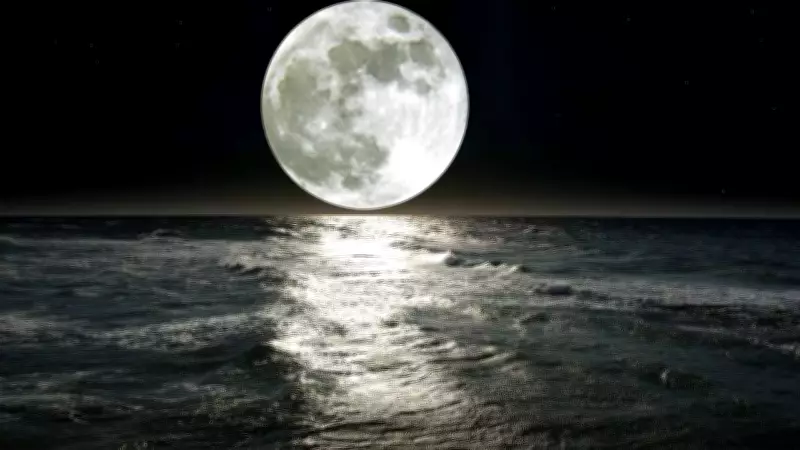
In countless Indian homes, children affectionately call the moon 'Chanda mama' long before they grasp its astronomical nature. This endearing term hints at a deeper, spiritual connection that transcends mere celestial observation. While Hindu mythology reveres the moon as Lord Chandra or Soma, Vedic astrology unveils a profound layer: the moon embodies Shakti, the divine feminine energy that permeates the cosmos.
The Moon as a Universal Feminine Symbol
This concept isn't unique to ancient India. Numerous Western cultures have historically worshipped the moon as a feminine symbol, associating it with birth, fertility, nurturing, and the power to illuminate the darkness of night. Archaeological evidence from across the European continent reveals ancient carvings and artifacts depicting the moon as a female deity, often revered as a mother figure or goddess. This cross-cultural reverence underscores the moon's universal role as an emblem of feminine divinity and creative force.
Vedic Astrology's Perspective on the Moon
According to Vedic astrology texts and ancient spiritual traditions, the moon is a powerful manifestation of Shakti. This divine feminine force symbolizes grace, intellect, nurturing care, and profound emotional depth. The moon's energy is intricately studied through its cyclical phases, which are believed to mirror the reproductive rhythms of women. This cyclical nature fosters receptivity and cultivates inner wisdom, creating a harmonious balance with the sun's masculine energy and its more assertive qualities.

Nurturing and Maternal Qualities
Ancient Vedic texts explicitly link the moon to motherhood, care, and fertility, reflecting a mother's soothing and protective presence. In some traditions, the moon is associated with powerful goddesses like Durga or Kali, emphasizing its life-sustaining power. This Shakti energy represents nourishing emotions, strong family bonds, empathy, and protection—core traits often attributed to the feminine essence. The moon's influence is seen as a gentle, sustaining force that nurtures both the individual and the collective.
Cyclical Rhythms and Emotional Flow
The moon's phases are believed to align with menstrual cycles, hormonal fluctuations, and even tidal patterns, embodying a fluid, ever-changing nature that is intrinsically linked to femininity. In astrological terms, Chandra (the moon) rules the mind (manas), processing feelings and experiences through intuition rather than pure logic. This watery influence, associated with Kapha and Vata doshas, evokes qualities of grace, forgiveness, and relational harmony, promoting emotional equilibrium.
Intuition Over Rationality
Feminine energy, as represented by the moon, prioritizes intuition and inner knowing. Unlike the sun's outward-focused intellect, the moon's energy turns inward, sparking instincts and perceptions that are deeply tied to feminine wisdom. Ancient Shastras describe the Ida Nadi, or lunar channel, as a symbol of feminine power characterized by receptivity and tranquility. Rituals and practices are often timed to lunar cycles to harness this energy. An afflicted moon in one's astrological chart may disrupt emotional balance, highlighting the inherent sensitivity of this feminine force.
Symbolic Union with Masculine Energy
In a symbolic pairing, the moon as Shakti seeks union with Shiva, represented by the sun. This dynamic illustrates relationship-centered longing and the solace found through soft, compassionate communication. In astrological charts, the moon signifies connections to women and embodies an inner softness accessible to all genders, regardless of biological sex. When exalted in Taurus, the moon's energy amplifies peace, appreciation for beauty, and maternal strength, offering a grounded expression of its nurturing power.