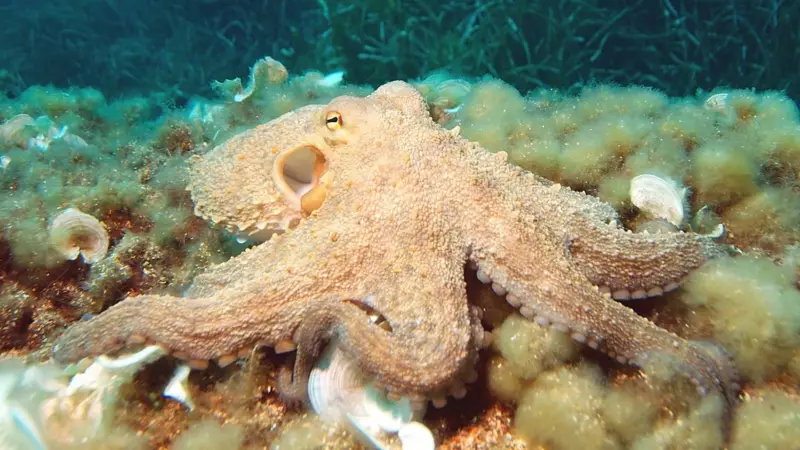
In the mysterious depths of the ocean, the octopus stands out as one of nature's most extraordinary engineers, equipped with a biological marvel: a trio of hearts and vivid blue blood. This unique setup is not just a curiosity but a critical adaptation for survival in low-oxygen environments, and it comes with a fascinating trade-off that shapes the creature's entire way of life.
The Triple-Heart System: A Masterclass in Oxygen Efficiency
Unlike humans and most other animals, octopuses possess three separate hearts. This unusual configuration is a direct response to their habitat as soft-bodied molluscs residing in ocean zones where oxygen is scarce. Two of these hearts are called branchial hearts. Positioned close to the gills, their sole job is to pump blood directly to these respiratory organs, where oxygen is extracted from the surrounding seawater.
The third heart, known as the systemic heart, then takes over. It receives the freshly oxygenated blood from the gills and pumps it vigorously to power the rest of the body, including the octopus's remarkably large and active brain. This specialised division of labour ensures maximum oxygen uptake, which is vital for their complex nervous system and intelligent behaviour.
Why Swimming Becomes a Heart-Stopping Struggle
Here lies the incredible catch. When an octopus needs to move quickly, it often resorts to jet propulsion by forcefully expelling water through a siphon. During this strenuous activity, the systemic heart temporarily stops beating. The rapid muscular contractions required for swimming increase internal body pressure, making it extremely difficult for the systemic heart to pump blood effectively.
Consequently, the supply of oxygen-rich blood to the body's muscles and organs drops sharply. This physiological limitation is the primary reason why swimming is an exhausting, energy-draining activity for octopuses. They typically reserve this mode of travel for brief, urgent escapes from predators, preferring to conserve energy by crawling along the seafloor with their versatile arms.
The Secret of the Blue Blood and Low-Energy Lifestyle
Adding another layer to their strangeness is the colour of their blood: it's blue, not red. This hue comes from hemocyanin, a copper-based molecule that carries oxygen, as opposed to the iron-based hemoglobin found in humans. Hemocyanin is exceptionally efficient in cold, oxygen-poor waters but is less effective during high-energy exertions like swimming. This is another key factor contributing to their rapid fatigue when they engage in such activity.
This unique physiology fundamentally shapes the octopus's behaviour. Their existence is characterised by short bursts of activity followed by necessary periods of rest, a rhythm perfectly aligned with how their bodies manage oxygen delivery. Their preference for crawling, clever camouflage, and den-building are all behavioural adaptations to a life where efficient oxygen use is paramount for survival.
Thus, the octopus's three hearts and blue blood are not mere biological trivia. They are the core components of an exquisite evolutionary solution, allowing these intelligent invertebrates to thrive in challenging environments while imposing the peculiar rule that sometimes, for an octopus, the best way to get ahead is to avoid swimming at all.