

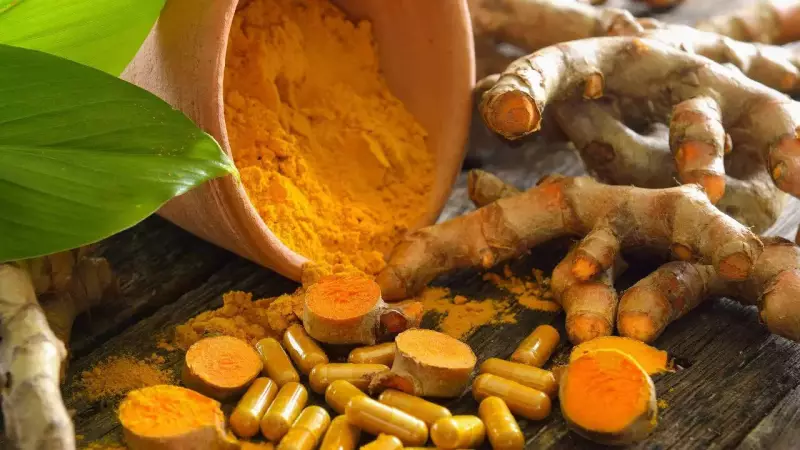
As winter's chill settles across India, a golden condiment emerges as a cherished staple in kitchens nationwide. Turmeric pickle, known traditionally as haldi achaar, brings more than just bold, earthy flavors to the dining table—it delivers impressive health benefits that help the body combat seasonal challenges.
This vibrant preparation, crafted from fresh turmeric roots, serves as a natural reservoir of anti-inflammatory, antioxidant, and immunity-enhancing compounds. When combined with mustard oil, lemon juice, and traditional spices, turmeric's wellness properties become more accessible and enjoyable with daily meals.
Why Turmeric Pickle Becomes Essential in Winter
Turmeric pickle offers multiple health advantages that specifically address winter-related health concerns. Beyond its culinary appeal, this condiment supports digestion, reduces bloating, and provides gentle relief for the mild joint stiffness that often accompanies colder temperatures.

Its extended shelf life and culinary versatility make haldi achaar a practical addition to various dishes including dals, rotis, khichdi, and even curd rice, establishing it as both a flavor enhancer and health supplement during the winter months.
Strengthening Your Immune Defenses
Winter typically brings increased susceptibility to coughs, colds, and general lethargy. Incorporating just a spoonful of fresh turmeric pickle into your daily meals can provide noticeable support for your immune system.
Research published in the Journal of Food Science and Technology confirms that turmeric contains powerful bioactive compounds that fortify the body's natural defense mechanisms, helping maintain energy and activity levels throughout colder days.
Enhancing Digestive Comfort
Another reason for haldi achaar's winter popularity lies in its digestive benefits. Many people experience heavier digestion, bloating, or discomfort as temperatures drop.
A study referenced in PubMed indicates that consuming fresh turmeric in fermented or pickled forms promotes smoother digestion by supporting gut function and reducing gas formation. The natural warmth of mustard oil, a fundamental ingredient in most Indian pickles, further assists in maintaining digestive balance during winter. Many individuals find that adding this achaar to their lunch or dinner makes meals feel lighter and easier to process.
Supporting Joint Mobility
Joint stiffness and mild body aches represent common complaints during colder months. Fresh turmeric possesses natural anti-inflammatory properties that may help alleviate this discomfort when consumed regularly.
While haldi achaar doesn't substitute for medical treatment, its consistent use can offer gentle relief and support overall joint comfort throughout the winter season.
Creating Your Own Winter Wellness Elixir
Preparing a flavorful jar of haldi achaar at home requires careful attention to ensure longevity and maximum benefit. The process begins with a crucial step: ensuring all ingredients remain completely dry, as even minimal moisture can spoil the pickle.
For a standard medium jar, you'll need 250 grams of fresh turmeric roots and 2-3 slit green chillies, adjusted according to your preferred spice level. The preserving base consists of ½ cup mustard oil and ½ cup lemon juice, which simultaneously preserves the turmeric while imparting a tangy, warming flavor.
The seasoning blend combines 2 tablespoons of salt, 1 teaspoon turmeric powder, 1½ tablespoons lightly crushed mustard seeds, and 1 teaspoon of roasted and crushed fenugreek seeds to release their aromatic qualities. Finally, ½ teaspoon of asafoetida (hing) enhances depth and balances the spice profile.
Step-by-Step Preparation Guide
Clean and dry the turmeric: Thoroughly wash the turmeric roots and pat them completely dry using a clean cloth. Any residual moisture can cause spoilage. Peel the roots and slice them into thin sticks or pieces.
Prepare the green chillies: Wash, dry, and slit the green chillies. Arrange both turmeric pieces and chillies on a plate and allow them to air dry for 30-60 minutes.

Heat the mustard oil: In a small pan, heat the mustard oil until it just begins to smoke. Turn off the heat and let it cool completely to room temperature. This process removes the oil's raw odor and enhances the achaar's overall flavor.
Mix the spices: In a large bowl, combine salt, crushed mustard seeds, crushed fenugreek seeds, asafoetida, and turmeric powder. Mix thoroughly until well blended.
Combine turmeric and chillies with spices: Add the dried turmeric and green chillies to the spice mixture, ensuring each piece receives an even coating.
Add lemon juice: Pour in the lemon juice and mix completely. The tanginess not only boosts flavor but also acts as a natural preservative.
Incorporate the cooled mustard oil: Once the oil has reached room temperature, pour it over the mixture and stir until all components are well combined.
Fill the jar: Transfer the mixture into a clean, completely dry glass jar. Press down gently to eliminate air gaps. Ensure the turmeric remains fully covered with oil on the top layer, as this prevents mold formation and extends shelf life.
Rest and ferment: Seal the jar and store it in a cool, dry location for 2-3 days. Gently shake the jar once daily to allow even distribution of spices and oil.
After two to three days, your haldi achaar will be ready for consumption. During winter, it can be safely stored at room temperature, though refrigeration during warmer months helps maintain freshness.
Disclaimer: This information serves general educational purposes only and does not replace professional medical advice, diagnosis, or treatment. Always consult qualified healthcare providers regarding medical conditions or significant lifestyle changes.





