

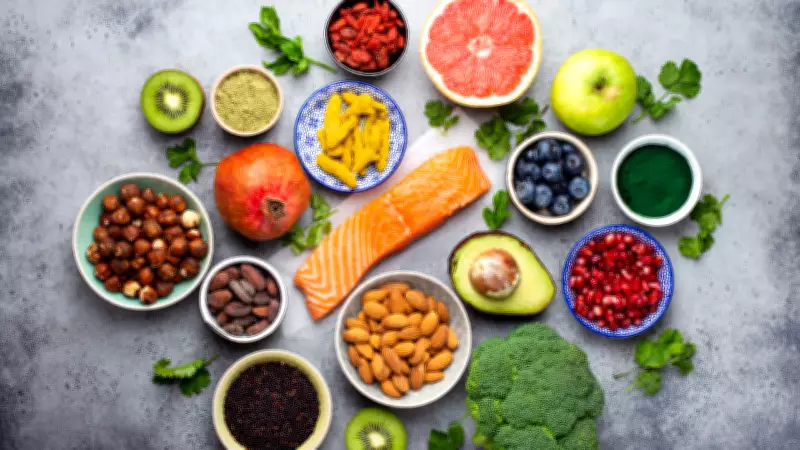
The Superfood Paradox: When Healthy Eating Becomes Harmful
In today's health-conscious world, certain foods have achieved celebrity status. Carrots for sharper vision, spinach for strength, and fatty fish for eye protection have become dietary staples for millions. These so-called "superfoods" promise enhanced wellbeing, but a dangerous trend is emerging where more is mistakenly considered better.
From Nutritional Support to Toxic Overload
Dr. Rani Menon, Senior Cataract & Glaucoma Surgeon at Maxivision Eye Hospitals, explains the fundamental misunderstanding many health enthusiasts develop. "Certain foods like carrots, green leafy vegetables, citrus fruits, nuts, and fatty fish play an important role in maintaining eye health," she acknowledges. "Nutrients such as vitamin A support night vision, while lutein and zeaxanthin help protect the retina, and omega-3 fatty acids can improve tear stability in people with dry eyes."
However, Dr. Menon emphasizes a critical distinction: "These benefits are supportive in nature and help maintain eye function; they don't act as treatment for eye diseases."

The Dangerous Accumulation of Fat-Soluble Vitamins
The human body processes different nutrients in distinct ways. Water-soluble vitamins like vitamin C flush out through urine when consumed in excess, but fat-soluble vitamins—particularly vitamin A—accumulate in bodily tissues. This storage mechanism becomes problematic when people consistently overdose on vitamin-rich foods or supplements.
According to the National Institutes of Health, long-term high intake of vitamin A can cause symptoms including persistent headaches, dizziness, blurred vision, and even increased intracranial pressure. These aren't theoretical concerns but increasingly common clinical presentations.
Your Eyes: The Early Warning System
The delicate structures of the eye often signal nutritional toxicity before other systems show distress. Dr. Menon observes, "What is increasingly becoming a concern in clinical practice is the tendency to overconsume these foods or take high-dose supplements without any medical indication."
Patients may experience subtle vision changes initially—slight blurring, light sensitivity, or pressure sensations behind the eyes. As toxicity progresses, these symptoms can escalate to persistent headaches, visual discomfort, and increased pressure within the skull that can affect the optic nerve.
The optic nerve, responsible for transmitting visual information from the eye to the brain, is particularly vulnerable to pressure changes. Damage here can lead to serious, sometimes irreversible vision problems if ignored.
Why One-Size-Fits-All Nutrition Fails
Nutritional needs vary dramatically between individuals based on age, lifestyle, existing health conditions, and genetic factors. While dietary adjustments can correct deficiencies like low vitamin A, they cannot prevent or treat established eye conditions.
"Superfood is not meant for everyone in the same way," Dr. Menon clarifies. "Eye conditions such as glaucoma, diabetic retinopathy, or age-related degeneration cannot be prevented or treated by diet alone." This distinction is crucial—treating food as medicine without proper diagnosis can delay necessary medical intervention.
What Research Actually Recommends
Major public health organizations consistently advocate for dietary balance rather than extremes. The World Health Organization recommends a varied diet rich in fruits, vegetables, whole grains, and healthy fats over reliance on supplements or excessive consumption of specific "miracle" foods.
This message resonates across global health guidelines: nutritional variety provides better protection than concentrated doses of particular nutrients.
A Safer Approach to Eye Health Nutrition
To prevent potential harm while supporting eye health, experts recommend several practical strategies:

- Rotate your superfoods: Instead of consuming the same vitamin-rich foods daily, create variety in your diet to prevent nutrient overload.
- Avoid unprescribed high-dose supplements: Only take concentrated supplements when specifically recommended by a healthcare professional.
- Monitor early symptoms: Pay attention to warning signs like persistent headaches or vision changes that might indicate toxicity.
- Schedule regular eye check-ups: Particularly important after age 30, comprehensive eye exams can detect problems before symptoms become severe.
- View diet as support, not cure: Understand that nutrition maintains health but doesn't replace medical treatment for existing conditions.
The Balanced Truth About Nutrition and Eye Health
Dr. Menon summarizes the essential message: "A balanced and varied diet, rather than focusing heavily on a few 'superfoods', is what truly supports long-term eye health. Moderation and medical guidance are key because when it comes to nutrition, excess can sometimes do more harm than good."
There exists no single food that can guarantee perfect vision forever, nor any nutritional shortcut to lasting eye health. Sometimes, the most beneficial approach involves doing less—replacing extreme dietary practices with balanced, varied eating patterns supported by professional medical advice.
Medical experts consulted: This article includes expert inputs from Dr. Rani Menon, Senior Cataract & Glaucoma Surgeon at Maxivision Eye Hospitals. Inputs highlight that excessive intake of vitamin-rich superfoods can lead to toxicity and harm eye health, emphasizing the importance of balanced nutrition and medical guidance over self-prescribed dietary extremes.





