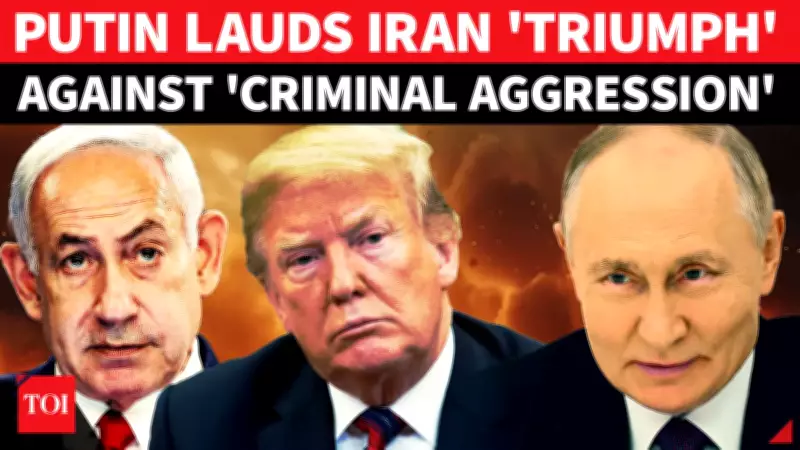
Russia Applauds Iran's Diplomatic Triumph, Denounces US-Israel Actions as 'Crushing Defeat'
In a significant geopolitical development, Russia's Foreign Ministry has issued its first official response to the recent ceasefire involving Iran, characterizing it as a major diplomatic victory for Tehran and a severe setback for the United States and Israel. The statement, released on April 8, 2026, marks a pivotal moment in international relations, with Moscow positioning itself as a vocal critic of Western policies in the Middle East.
Moscow's Strong Condemnation of US-Israel Strikes
The Russian ministry did not mince words in its assessment of the February military actions by the US and Israel, which it described as a "one-track aggressive, unprovoked attack." This harsh language underscores the deepening rift between Russia and Western powers, as Moscow aligns more closely with Iranian interests. The ministry emphasized that these strikes ultimately led to what it termed a "crushing defeat" for the US-Israel alliance, highlighting the perceived failure of their military strategy.
By framing the ceasefire as a defeat for Washington and Tel Aviv, Russia aims to bolster Iran's standing on the global stage and challenge the narrative of Western dominance in regional conflicts. This move is seen as part of a broader effort to reshape alliances and influence in the volatile Middle East.

Celebrating Iran's Diplomatic Gains
Russia's response goes beyond mere criticism, actively celebrating Iran's diplomatic achievements following the ceasefire. The ministry pointed to Tehran's enhanced geopolitical leverage and the unexpected truce as evidence of Iran's growing clout. This endorsement serves to strengthen the Moscow-Tehran axis, providing Iran with a powerful ally in its ongoing tensions with the US and Israel.
The statement also implicitly supports Iran's celebratory domestic reactions, where thousands took to the streets to hail what they viewed as a "crushing victory." By echoing this sentiment, Russia reinforces Iran's internal propaganda and solidifies bilateral ties amid escalating global tensions.
Call for Genuine Political Dialogue
Amid the celebratory tone, Russia's Foreign Ministry underscored the urgent need for genuine political dialogue to permanently resolve the conflict. This call for diplomacy reflects Moscow's preference for negotiated settlements over military escalations, aligning with its broader foreign policy objectives of stability and influence through soft power.
The ministry warned that without such dialogue, the region risks further instability, potentially leading to new flashpoints like Lebanon or renewed hostilities. This emphasis on political solutions positions Russia as a mediator or key player in future peace efforts, challenging US-led initiatives.
Broader Implications for Global Politics
This development has far-reaching consequences for international relations. Russia's vocal support for Iran signals a hardening of anti-Western alliances, potentially complicating US and Israeli strategies in the Middle East. It also raises questions about the effectiveness of military interventions versus diplomatic engagements in resolving such conflicts.
As tensions simmer, the world watches closely to see how this alignment between Moscow and Tehran will impact regional dynamics, from the Strait of Hormuz to ongoing conflicts in neighboring countries. The ceasefire may be temporary, but the geopolitical shifts it has catalyzed could have lasting effects on global power balances.