The Hidden Danger in Your Garden: Six Flowers with Fatal Fragrances
When we encounter a beautiful flower, our instinct is often to lean in and inhale its scent. This natural impulse makes flowers a beloved part of our daily lives, gracing gardens, parks, weddings, and office spaces. However, beneath their enchanting appearances and alluring aromas, some popular flowers conceal deadly toxins that can trigger severe health emergencies with just a brief exposure.
It is crucial to recognize that admiring these blooms from a distance is the safest approach. If accidental exposure occurs, seeking immediate medical attention is imperative to prevent potentially fatal outcomes.
1. Lily of the Valley: A Delicate Bloom with a Deadly Secret
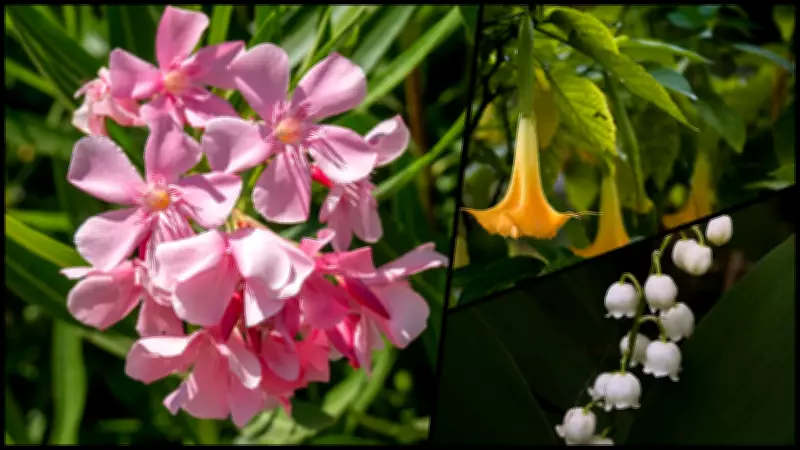
Known for its delicate, bell-shaped flowers and heavenly fragrance, Lily of the Valley is a favorite in weddings, famously featured in the Duchess of Cambridge's bouquet. Despite its charming appearance, this plant contains over 38 cardiac glycosides. Even minimal contact or ingestion can disrupt heart function, leading to symptoms such as vomiting, seizures, a dangerously slowed heartbeat, and in severe cases, fatal poisoning. Historically, it has been used in traditional medicine for heart conditions, but its toxicity requires extreme caution.

2. Oleander: Sweet Aroma, Lethal Consequences
Oleander presents itself in attractive clusters of pink, white, or red flowers, emitting a sweet aroma that belies its danger. Every part of this plant contains oleandrin, a potent toxin that can induce nausea, irregular heart rhythms, coma, or death. Remarkably, even burning its branches or consuming honey derived from its nectar poses significant toxic risks, making it a hazardous addition to any landscape.
3. Foxglove: Inspiration for Medicine, Source of Poison
Foxglove stands tall with tubular spikes in shades of purple, pink, or white. Ironically, this flower inspired the heart medication digitalis, yet the plant itself is loaded with cardiac glycosides. Ingesting any portion can trigger nausea, headaches, tremors, vision disturbances, and life-threatening heart failure. Tragically, there have been documented cases of fatalities, including accidental poisonings of pets, highlighting its perilous nature.
4. Angel’s Trumpet: Seductive Scent with Hallucinogenic Hazards
Angel’s Trumpet features large, pendulous blooms in pastel hues like yellow, pink, or white, releasing a seductive evening fragrance. However, these flowers are rich in hallucinogenic tropane alkaloids, such as scopolamine, which can cause delirium, paralysis, memory loss, and fatal respiratory failure. Its eerie effects have earned it the nickname "zombie flower," with ingestion leading to intense hallucinations, confusion, violent delirium, and other severe side effects.
5. Azalea: Vibrant Colors Masking Grayanotoxin Dangers
Azaleas bloom in vibrant clusters of pink, orange, or white, emitting a mild sweet aroma. Yet, their scent carries grayanotoxins, making them hazardous. Exposure can result in drooling, vomiting, low blood pressure, paralysis, and coma. Notably, honey produced from their nectar, known as "mad honey," has disorienting and potentially dangerous effects, adding to the risks associated with this common garden plant.
6. Daffodil: Bright Blooms with Toxic Bulbs
Daffodils, with their bright, trumpet-shaped flowers in yellow or white, offer a subtle, sweet scent. However, their bulbs, stems, and leaves contain lycorine alkaloids. Consumption can provoke severe vomiting, diarrhea, seizures, and heart complications, while handling the bulbs may cause skin irritation. This makes them a deceptive threat in spring gardens.
In summary, while flowers enhance our environments with beauty and fragrance, it is essential to exercise caution. Always identify plants before interaction and educate family members, especially children, about these hidden dangers. Remember, when in doubt, admire from afar and prioritize safety to enjoy nature's wonders without risk.