

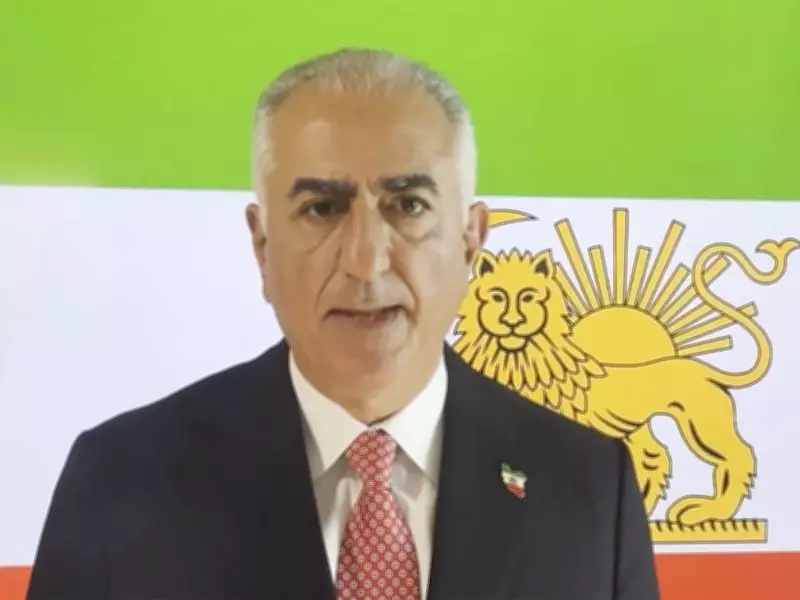
Reza Pahlavi Appeals for National Cohesion in Iran After Khamenei's Demise
In a significant development following the death of Iran's Supreme Leader Ayatollah Ali Khamenei, Reza Pahlavi, the exiled son of the country's last monarch, has issued a heartfelt plea for unity among Iranians. This call comes at a critical juncture, as Iran grapples with escalating regional conflicts and internal political fractures that threaten to destabilize the nation further.
Background of the Appeal Amidst Regional Unrest
Reza Pahlavi, who has long been a vocal critic of the Islamic Republic's regime from abroad, emphasized the urgent need for solidarity in his statement. He highlighted that Khamenei's passing marks a pivotal moment in Iran's history, coinciding with heightened tensions in the Middle East, including ongoing proxy wars and diplomatic standoffs. Pahlavi stressed that internal discord could exacerbate these external pressures, potentially leading to greater instability.
The timing of this appeal is particularly noteworthy, as Iran faces mounting challenges from international sanctions, economic hardships, and widespread public discontent. Pahlavi's message aims to bridge divides among various Iranian factions, including reformists, conservatives, and monarchists, urging them to set aside differences for the sake of national progress.

Implications for Iran's Political Landscape
Khamenei's death has created a power vacuum within Iran's leadership structure, sparking speculation about potential successors and shifts in governance. Pahlavi's call for unity is seen as an attempt to influence this transitional period, advocating for a more inclusive and democratic future. However, analysts note that his influence remains limited, given his exile status and the entrenched nature of the current regime.
Regional conflicts, such as those involving Israel and militant groups, have further complicated Iran's situation, with the country often accused of fueling instability through its support for proxies. Pahlavi warned that without internal cohesion, Iran risks becoming more isolated on the global stage, undermining its ability to navigate these complex geopolitical dynamics.
Public and International Reactions
Initial responses to Pahlavi's appeal have been mixed. Some Iranians, especially those in the diaspora and opposition circles, have welcomed his message as a step toward reconciliation and change. In contrast, supporters of the Islamic Republic have dismissed it as irrelevant, citing Pahlavi's lack of political authority within the country.
Internationally, observers are closely monitoring the situation, as any significant shift in Iran's internal unity could impact regional security and diplomatic relations. Key stakeholders, including the United States and European nations, are assessing how Khamenei's death and subsequent developments might alter their strategies toward Iran.
Looking Ahead: Challenges and Opportunities
As Iran navigates this period of uncertainty, the path forward is fraught with challenges. The success of Pahlavi's unity call hinges on whether diverse Iranian groups can find common ground amidst deep-seated ideological differences. Additionally, the escalating regional conflict adds pressure, requiring careful diplomacy to avoid further escalation.
In summary, Reza Pahlavi's appeal for Iranian unity after Khamenei's death underscores the critical need for solidarity in a time of heightened conflict and transition. While his influence may be limited, the message resonates with broader aspirations for stability and reform in Iran, making it a noteworthy development in the country's ongoing political saga.






