

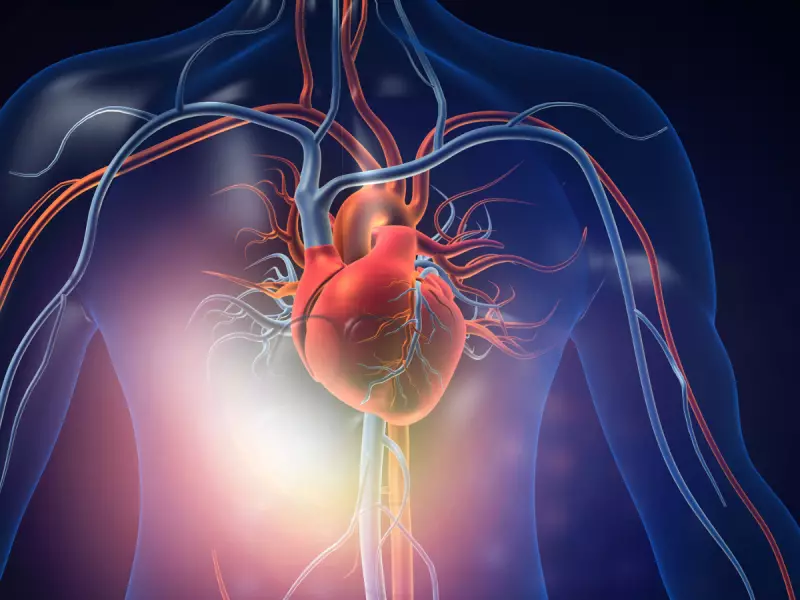
When we imagine a heart attack, the scene is often dramatic: a person, usually a man, gripping his chest in agony. However, this stereotypical picture is dangerously misleading for women. For them, a cardiac event can be a silent, subtle threat, manifesting through symptoms easily mistaken for everyday stress or minor ailments.
Why Women's Heart Attack Symptoms Are Different and Dangerous
According to Dr. Ravindranath Reddy D R, HOD & Senior Consultant of Interventional Cardiology at Gleneagles BGS Hospital in Kengeri, Bengaluru, heart attacks in women are more likely to be 'silent' or present atypically. This leads to a higher risk of being overlooked or misdiagnosed, sometimes with fatal outcomes.
Dr. Reddy explains this critical difference stems from both biology and historical oversight. In women, heart disease often affects the smaller blood vessels (microvascular disease), not just the major arteries blocked in classic cases. This results in more diffuse, less obvious symptoms. Hormones also play a part; estrogen offers some protection before menopause, but the risk rises significantly as levels decline afterward.

Compounding the problem, women frequently juggle multiple roles, attributing warning signs to stress or exhaustion. Their symptoms, being less dramatic, often lead to delays in seeking critical help, worsening outcomes compared to men.
Top Silent Symptoms Women Commonly Dismiss
Dr. Ravindranath Reddy highlights that most women do not experience the classic, severe chest pain. Instead, they should be vigilant about these subtle but crucial signs:
- Unexplained and persistent fatigue that doesn't improve or suddenly worsens.
- Shortness of breath, even during mild activity or while at rest.
- Discomfort in the upper body—neck, jaw, shoulders, or upper back.
- Indigestion, nausea, or abdominal discomfort that feels like acidity or an upset stomach.
- Lightheadedness or dizziness without a clear cause.
Because these signals don't scream 'heart attack,' women often brush them off as signs of gastritis, aging, or burnout. Dr. Reddy stresses that if these symptoms appear suddenly, are severe, or feel distinctly different from one's normal state, they must not be ignored.
How to Advocate for Your Heart Health
Self-advocacy is a powerful tool. Dr. Reddy's first advice is to trust your instincts. If something feels 'off,' do not downplay it. When consulting a doctor, be specific. Instead of saying "I feel tired," say, "I feel breathless after walking just a few steps, which is new for me." This provides a clearer clinical picture.
Women should be assertive in requesting appropriate tests like an ECG or troponin level checks if heart trouble is suspected, rather than accepting a generic diagnosis of stress or acidity. It is crucial to mention family history of heart disease and personal risk factors like diabetes, high blood pressure, or smoking. Do not hesitate to ask questions or seek a second opinion to ensure your concerns are addressed seriously.
Prevention: Screening and Lifestyle Are Key
The strongest defense is a proactive one. Dr. Ravindranath Reddy recommends regular health checks for blood pressure, blood sugar, cholesterol, and body weight, especially after age 35 or earlier with a family history. For higher-risk women, tests like an ECG, echocardiogram, or treadmill study may be advised.
Equally vital are daily lifestyle choices:
- Adopt a heart-healthy diet rich in fruits, vegetables, and lean proteins while cutting processed foods.
- Incorporate at least 30 minutes of moderate exercise on most days.
- Maintain a healthy weight, avoid tobacco, and limit alcohol.
- Actively manage stress, as chronic strain silently burdens the heart.
Women, particularly after menopause, need to be extra vigilant. Combining regular screenings with consistent healthy habits significantly lowers the risk of a silent or late-detected heart attack, empowering women to protect their most vital organ.






