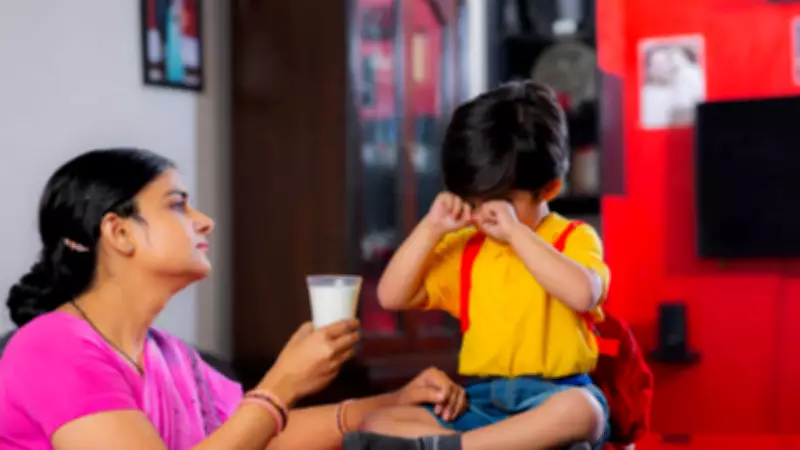
Separation anxiety typically emerges during significant life transitions or changes in a child's routine. This can include starting a new school, entering a different classroom, or experiencing a change in caregivers. Sometimes, it appears without any obvious trigger. A child who previously waved goodbye cheerfully may suddenly cling tightly, cry, or panic. What should be a brief two-minute farewell can extend into a prolonged, stressful twenty-minute ordeal.
The Emotional Toll on Parents
Parents often hesitate to voice this reality, but separation anxiety is challenging for adults too. Watching your child become distressed because you are leaving can evoke feelings of guilt, doubt, and self-blame. You might question your parenting decisions, wondering if you are making mistakes. In most cases, you are not at fault. Understanding the underlying mechanisms can provide reassurance and clarity.
The Child's Psychological Perspective
Separation anxiety is not merely bad behavior; it stems from genuine fear. Young children lack a fully developed sense of time and cannot easily grasp the concept that someone will return simply because they promised. When a parent leaves, it may feel permanent to the child, triggering a rapid physiological response. This includes tears, stomach tightness, and a racing heart—all authentic reactions to perceived threat.

Anxiety is not exclusive to toddlers. Older children experience it too, though often in subtler ways. Symptoms might include headaches before school, sleep disturbances, or exaggerated emotional reactions to minor issues. Children are highly perceptive and frequently mirror the emotional states of the adults around them, making parental calmness crucial.
Proactive Preparation Strategies
Effective preparation relies on consistency and simplicity rather than drama or haste. Use clear, straightforward language to discuss upcoming separations. Explain where the child will be, who will be present, and when you will return. Repetition is key, as children benefit more from repeated reassurance than detailed explanations.
Practice gradual separations to build confidence. Start with short intervals, such as a quick errand or an hour with a trusted adult. Each successful reunion reinforces a critical lesson: leaving does not equate to abandonment. Establishing predictable routines is equally important. Consistent goodbye phrases, hugs, and waves create a sense of safety amid emotional turbulence.
Navigating the Goodbye Moment
This phase is often the most difficult for parents. When a child cries, the natural inclination is to prolong the goodbye, negotiate, or sneak away. However, extended farewells can amplify anxiety, while sneaking off may damage trust. Instead, aim for a brief, kind, and confident departure—even if you feel uncertain internally.
Acknowledge your child's feelings without attempting to dismiss them, then leave promptly. Many children calm down relatively quickly once the separation occurs, even if it appears otherwise from a distance.
Managing Parental Anxiety
Parental emotions do not vanish simply because we wish them away. Children are adept at sensing adult anxiety, which can manifest through changes in tone, body language, or the weight of the goodbye. Reflect on your own worries: Are you concerned about your child's suffering, their ability to cope, or external judgment? Articulating these fears can reduce their intensity.
Seek support from other adults, such as teachers or caregivers. You do not have to manage these challenges alone. Remember that experiencing distress does not equate to lasting harm; learning to recover from upset is a vital component of emotional development.
When to Seek Professional Help
In some instances, separation anxiety persists longer or feels more intense than typical. If a child refuses school for weeks, exhibits panic-level reactions, or struggles to function after separation, consider consulting a professional. Pediatricians, school counselors, or child therapists can offer guidance and strategies.
Seeking help is not an admission of failure; it demonstrates attentiveness and care for your child's well-being.

The Unspoken Truth About Separation Anxiety
Separation anxiety does not indicate an overly dependent relationship; rather, it reflects a strong, secure bond. The objective is not to eliminate this connection but to gently expand it, teaching children that love endures even during temporary absences.
For parents, this process serves as a reminder that gradual letting go is integral to raising resilient, independent individuals who feel safe exploring the world. Each goodbye, however challenging, contributes to this growth.