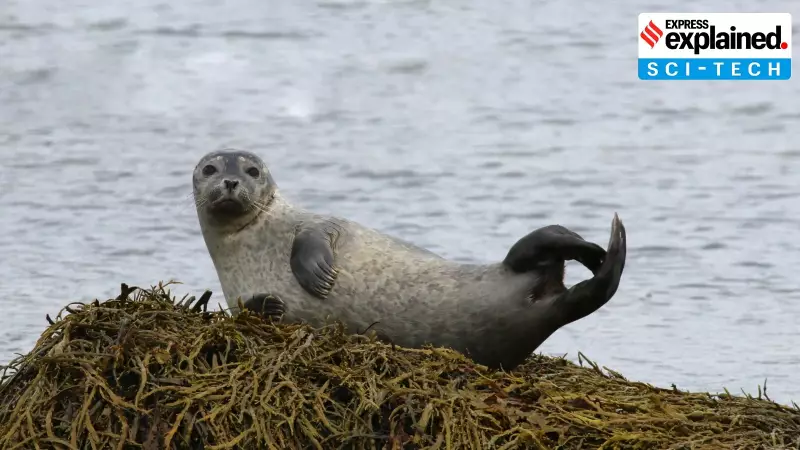
In a groundbreaking discovery that challenges our understanding of mammalian biology, a new study has revealed that grey seal milk possesses a far more complex sugar composition than human breast milk, long considered the gold standard. The research, conducted on an Atlantic grey seal colony off Scotland's coast, uncovers a biochemical marvel with significant potential for future human medicine and infant nutrition.
Unprecedented Complexity in Seal Milk
The comprehensive analysis, published in the prestigious journal Nature on November 25, found that grey seal milk contains 332 different kinds of oligosaccharides - a remarkable 33% more sugar molecules than previously documented in human milk. For comparison, human milk typically contains around 100 oligosaccharides, making seal milk the most complex mammalian milk ever studied.
These oligosaccharides aren't ordinary sugars but specialized molecules that play crucial roles in offspring development. According to the researchers from the University of Gothenburg in Sweden, these compounds contribute significantly to protecting against viruses and bacteria, cultivating the initial flora of the body's microorganisms, and promoting the development of the stomach and intestinal tract in newborn seals.
Extreme Environment Demands Extreme Nutrition
The study was conducted on a small island off the eastern coast of Scotland, where mother grey seals come ashore every fall to give birth. Patrick Pomeroy, a biologist at the Sea Mammal Research Unit at the University of St Andrews, described the remarkable transformation to The New York Times: "Mums come ashore pretty hefty, and they leave pretty lean... The pup just balloons from being a tiny, little, scrawny bag of bones to being basically a spherical lump, well-padded out and very fluffy."
This dramatic growth occurs during an intensive 18-day nursing period where mother seals remain on land without hunting. Researchers believe the extreme environmental stresses and high exposure to external dangers that grey seals face may explain why their milk evolved to be so complex. The rich oligosaccharide content provides crucial protection and rapid development for seal pups during this vulnerable period.
Biomedical Potential for Human Health
The implications of this discovery extend far beyond marine biology. Daniel Bojar, the study's lead author and a senior lecturer at the University of Gothenburg, emphasized the biomedical potential to Phys.org: "The study highlights the untapped biomedical potential hidden in understudied wild species. Our research group is the only one in the world to analyse milk sugars from these uncharacterized mammals using mass spectrometry at that depth."
Scientists suggest that the newly discovered sugar molecules could eventually be used to develop medicines for humans and strengthen the immune systems of infants when added to breast milk substitutes. This research opens exciting possibilities for improving infant nutrition and developing new therapeutic compounds derived from nature's diverse biochemistry.
The study, titled 'Seal milk oligosaccharides rival human milk complexity and exhibit functional dynamics during lactation,' represents a significant step forward in understanding mammalian evolution and the potential applications of wildlife research to human health challenges.