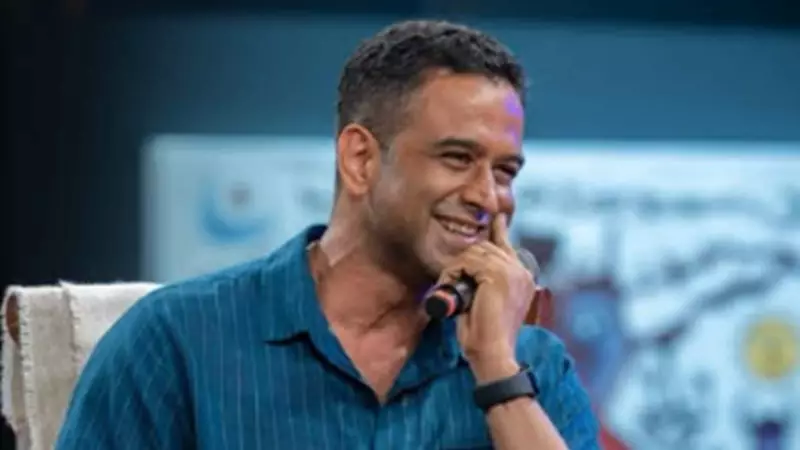
Nithin Kamath's Candid Revelation: The Daily Struggle to Regain Speech After Suffering a Stroke
In a heartfelt and revealing address at the Peakst8 Festival in Bengaluru, Zerodha co-founder Nithin Kamath, 46, shared his ongoing journey of recovery two years after suffering a stroke. The entrepreneur, known for his leadership in India's fintech sector, spoke openly about how the stroke has impacted his ability to communicate, turning what was once a natural skill into a significant challenge.
'My Ability to Speak Is Now a Drawback': Kamath's Personal Battle
"I had a stroke. My ability to speak is now a drawback," Kamath stated with raw honesty. "Things come up in your mind, but you can't speak in terms of words. So, once I got back to work, and when you have to lead a team, and if you can't speak properly, how will you lead? And that was the question I had. It's a battle. Every day, you have to get up and fight."
This daily confrontation with speech impairment has forced Kamath to adapt his approach to leadership and communication. The struggle is not just physical but deeply psychological, affecting confidence and professional efficacy in high-pressure environments.

The Therapeutic Power of Writing: A New Recovery Strategy
Kamath revealed a crucial turning point in his recovery journey: working with a speech therapist who identified writing as a potential pathway to improved speech. "I recently got a speech therapist who told me my writing is not bad, and she said if you write, your speech will get better," he explained.
Following this advice, Kamath has incorporated a disciplined writing routine into his daily life. "Every night, I take a piece of journaling for half an hour and write whatever I feel like. So, yes, it's been a journey." This practice serves as both therapeutic exercise and emotional outlet, helping bridge the gap between thought and expression.
Medical Perspective: Understanding Post-Stroke Communication Challenges
To better comprehend Kamath's experience and the broader implications of stroke recovery, we consulted Dr. Prashant Makhija, consultant neurologist at Wockhardt Hospitals, Mumbai Central. Dr. Makhija provided expert insights into the communication difficulties that often follow stroke events.
Dysarthria vs. Language Problems: Two Distinct Challenges
According to Dr. Makhija, stroke survivors commonly face two types of communication issues:
- Dysarthria: A speech disorder caused by weakness in the muscles responsible for speech production, including the tongue, lips, or facial muscles. "In this case, a person knows exactly what they want to say, understands language well, and can often read and write, but they struggle to speak clearly," Dr. Makhija explained.
- Language Problems: These involve difficulties with language comprehension, word retrieval, naming objects, reading, or writing. The brain's language processing centers are affected rather than the physical speech mechanisms.
"The brain knows the word, but the muscles can't produce it properly," Dr. Makhija said about dysarthria. "Language problems are more complicated. A person may forget names, mix up words, struggle to follow conversations, or find reading and writing difficult. This difference matters because treatment varies for each issue."
Neuroplasticity and Recovery: Hope for Improvement
Addressing a common concern among stroke survivors and their families, Dr. Makhija emphasized that speech or language loss is not necessarily permanent. "The brain can reorganize and adjust, which is known as neuroplasticity," he affirmed. "With time, therapy, and regular practice, many patients show improvement. Recovery can be slow and uneven, but significant progress can happen for months or even years."
The Critical Role of Targeted Therapy
Dr. Makhija stressed that therapy plays a pivotal role in recovery, but it must be precisely tailored to the specific communication challenge:

- For Dysarthria: Speech-based exercises designed to strengthen muscles and improve clarity of articulation.
- For Language Problems: Structured therapy focused on speaking, understanding, reading, and writing skills.
Why Writing Helps: The Science Behind Kamath's Approach
Dr. Makhija explained the neurological basis for why writing can facilitate speech recovery, validating Kamath's personal experience. "Writing is helpful for language recovery because it activates multiple language networks in the brain," he noted.
"Journaling, making notes, or writing short thoughts can aid in recalling words and improving communication skills. For some, writing becomes a way to regain confident speech."
The neurologist also addressed the psychological dimension of communication challenges. "Communication issues can impact confidence and relationships. Many worry about being misunderstood. Using alternative methods, such as written communication, speaking slowly, or using visual cues, can help individuals continue to perform and lead effectively."
Broader Implications: Leadership, Health, and Resilience
Nithin Kamath's openness about his stroke recovery journey serves multiple important purposes in the Indian context. As a prominent business leader, his experience highlights how health challenges can intersect with professional responsibilities, particularly in leadership roles where communication is paramount.
His story also contributes to greater awareness about stroke recovery, a process that often extends far beyond initial medical treatment. By sharing his daily struggle and adaptive strategies, Kamath provides both inspiration and practical insights for others facing similar challenges.
Disclaimer: This article is based on information from public sources and expert consultations. Always consult qualified healthcare professionals for medical advice and treatment.