Mumbai Twins' Unwavering Love: A Journey Through Parental Strokes
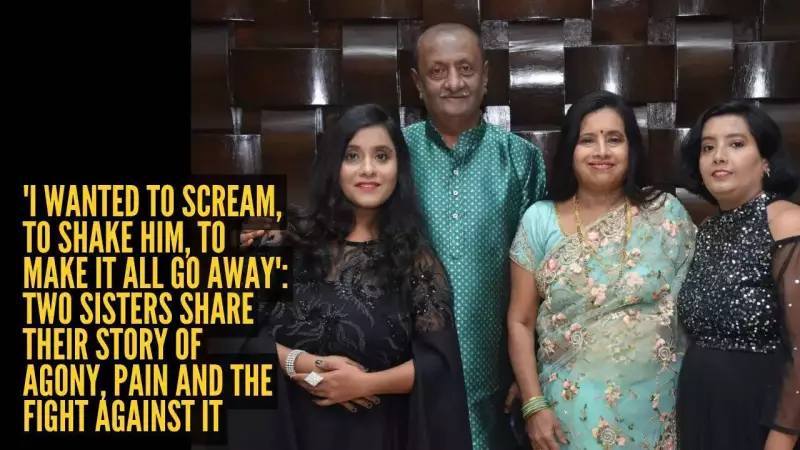
Life often delivers its most profound lessons through unexpected challenges that arrive without warning, reshaping family dynamics in ways never imagined. For twin sisters Aishwarya and Apoorva Vaidya of Mumbai, such transformative moments arrived not once, but twice within a single year, testing their emotional fortitude and redefining their roles within their family unit.
The Foundation: A Family Built on Strength
Before their world shifted, the Vaidya family lived what many would consider an ordinary Mumbai life. Their father, Padmanabh Vaidya, served as the steady pillar of their four-member household, while their mother, Madhuri, provided the emotional warmth that made their home complete. The twins had grown accustomed to their parents' capable presence, never anticipating that the hands that once guided them would someday need their support.
The First Crisis: A Father's Sudden Collapse
The initial blow struck in the early hours of September 20, 2022, just two days after celebrating their mother's 60th birthday. Aishwarya recalls the moment with vivid clarity: "At 3:00 AM, a sound shattered the night—Papa had collapsed. I was sleeping in the next room when my sister woke me up. Seeing him lying on the floor overwhelmed me with shock, and I fainted—my bond with him made it hard to accept what was happening."

Apoorva demonstrated remarkable composure during this crisis, immediately contacting their family doctor who instructed them to rush their father to the hospital. The diagnosis revealed a severe Pontine Infarct—a stroke affecting the brainstem—caused by uncontrolled diabetes that resulted in paralysis, speech loss, and the need for tube feeding.
The Hospital Reality: Learning a New Language
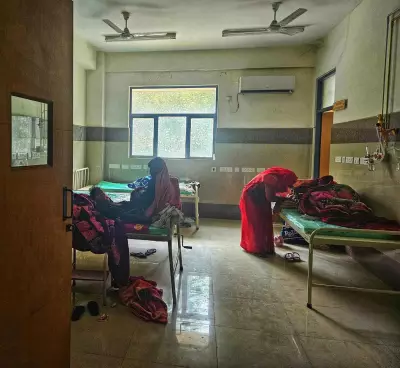
Hospital corridors became their temporary home as days blurred into nights filled with medical terminology, therapy schedules, and feeding routines. Aishwarya describes the emotional toll: "Watching him lie there, unable to communicate, was unbearable. I wanted to scream, to shake him, to make it all go away—but I could do nothing. He was trapped in his own body, and I was trapped in my helplessness."
After five days of intensive care, their father returned home where his bedroom transformed into a recovery ward. Just as they began adjusting to this new reality, complications emerged when Mr. Vaidya developed persistent hiccups followed by choking episodes and dangerously low oxygen levels.
The Second Blow: Aspiration Pneumonia
Further diagnosis revealed aspiration pneumonia—a dangerous infection caused by inhaling food particles into the lungs. This necessitated tube feeding and catheter care at home, turning their residence into a makeshift medical facility where meals were measured, movements monitored, and nights spent listening for concerning sounds.
Aishwarya reflects on this period: "I was breaking, but I refused to shatter. Some cracks ran deep, but even in my weakest moments, I held on—because love wouldn’t let me fall apart completely... I didn’t realize then that healing wasn’t about trying harder—it was about time, patience, and faith."
The Miraculous Recovery: Small Steps Forward
Through relentless physiotherapy, encouragement, and unwavering determination, their father gradually reclaimed his independence. First came small movements, then tentative steps, followed by speech returning. The feeding tube was eventually removed, marking what felt like nothing short of a miraculous recovery.
History Repeats: A Mother's Turn
Just as the family began breathing easier, life tested them once more. On December 26, 2023, their mother began experiencing confusion and vomiting—subtle signs that immediately triggered recognition and dread. "We recognised the symptoms immediately. A stroke. And then, days later, a more severe one," Apoorva recalls.
If the first crisis had shaken them, the second threatened to break them completely. This was the woman who had quietly held the family together during her husband's recovery, now sitting withdrawn and apologizing for becoming "a burden" to her daughters.

Role Reversal: Daughters Becoming Caregivers
The twins instinctively divided responsibilities—one managing medicines, appointments, and routines while the other focused on feeding, conversation, and emotional reassurance. They became advocates with doctors, motivators during therapy sessions, and anchors on days when their mother's confidence wavered.
Meanwhile, their father—now a stroke survivor himself—became their pillar of strength, spending long hours by his wife's side, motivating and guiding her through each step of recovery. Aishwarya shares a touching moment: "‘I may have survived a stroke, but you’re the real fighter,’ he once teased her. And while mom tried to glare at him, she failed and laughed. It was the first real laugh we had heard in weeks."
The Reality of Caregiving: Quiet Heroism
Caregiving revealed itself as rarely dramatic but consistently demanding—measured in sleepless nights, cancelled plans, quiet tears in bathrooms, and whispered encouragements during therapy sessions. The family learned to celebrate small milestones: a smile, a laugh, a completed meal, each feeling like precious life moments.
Finding a New Normal: Deeper Bonds Emerge
Over time, their mother regained strength and returned to the kitchen she loved. Their home gradually stopped feeling like a hospital and began sounding like a home again—with music playing, conversations flowing, and meals shared with gratitude rather than routine.
While nothing returned to their previous "normal," they built something new: deeper bonds, profound gratitude for each other, slower moments, and intentional togetherness. They now protect time to reconnect daily, understanding life's fragility more intimately.
Transforming Pain into Purpose: A Book Emerges
To process her experiences, Aishwarya turned to journaling, which became her safe space for navigating grief, hope, and fear. This therapeutic practice eventually evolved into a self-published book titled From SHADOWS To GLIMMER, offering hope to others facing family health crises, stroke recovery, or caring for aging parents.
The Lasting Lessons: Strength in Vulnerability
Their story transcends illness, becoming a testament to what happens when roles reverse and children become caregivers. It's about daughters who refused to walk away when life demanded everything at once, and about the quiet heroism of showing up daily without expectation of applause.
Aishwarya reflects: "When both our parents suffered strokes, life felt no less than a daily battle. It tested our patience, endurance, and emotional strength. But if there was one thing we had learned from them, it was this—when life knocks you down, you rise stronger."
Apoorva adds: "Our parents are our support system. It was time for us to hold them up, no matter what it took."
Their journey reminds us that strength doesn't mean never breaking—it means choosing to stand again, together. That aging parents don't become burdens but opportunities to return the love we once received. And that adversity can either bring families closer or break them under pressure—the choice revealing who we truly are.
For anyone walking a similar path, the Vaidya twins' experience offers one powerful truth: You don't need to have all the answers. You just need to stay. To hold on. To love loudly and consistently. And never give up.