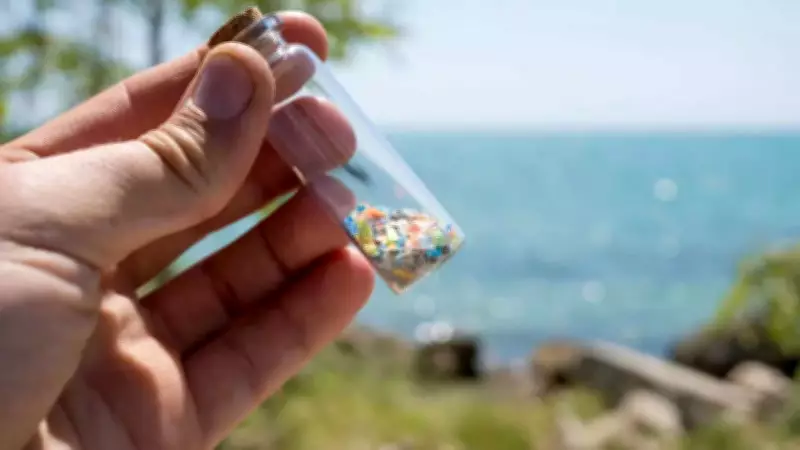
The Invisible Invasion: How Microplastics Are Infiltrating Human Bodies
Plastic stands as one of humanity's most transformative inventions, revolutionizing food preservation, medical safety, and daily convenience. Yet this ubiquitous material has spawned a hidden crisis that now threatens human health directly. Over decades, plastic degrades into microscopic fragments called microplastics—particles smaller than 5 millimeters that have permeated every corner of our environment and are now accumulating inside human bodies.
What Exactly Are Microplastics?
Microplastics represent plastic particles measuring less than 5 millimeters, originating from two primary sources. Some are intentionally manufactured, such as microbeads in personal care products, while others form through environmental degradation as larger plastic items break down from sunlight exposure, heat, and physical friction.
Dr. Puneeth B S, Consultant in Medical Gastroenterology at Manipal Hospital Malleshwaram, clarifies: "Microplastics are tiny plastic particles smaller than 5 millimeters, either intentionally produced like microbeads or formed when larger plastics degrade. Their extremely slow decomposition means they persist for decades, accumulating in oceans, rivers, soil, air, food, and now human bodies."

Global monitoring confirms their pervasive presence. The US Geological Survey has detected microplastics in river water samples worldwide, demonstrating how extensively humans encounter these particles.
How Microplastics Enter the Human Body
Humans encounter microplastics through multiple daily pathways, with the most significant being food consumption, drinking water, and air inhalation.
Dr. Puneeth explains: "We consume microplastics through contaminated seafood, drinking water, salt, and packaged foods. Simultaneously, we inhale them from indoor and outdoor air, particularly from synthetic fibers, plastic dust, and industrial emissions. Once released into the environment, these particles become nearly impossible to remove."
Indoor environments prove particularly concerning, as synthetic fabrics, carpets, and household plastics continuously shed microplastic particles that float in air and settle on surfaces. Research supported by the National Institutes of Health has confirmed microplastics in human blood samples, demonstrating their ability to circulate throughout the body after entry.
Biological Effects and Health Concerns
The size variation of microplastics creates distinct health concerns, with smaller particles posing greater risks due to their ability to penetrate biological barriers.
Dr. Puneeth emphasizes: "Microplastics vary in size, shape, and chemical composition. Smaller particles, especially nanoplastics, are particularly concerning because they can cross biological barriers, enter the bloodstream, and reach multiple organs."
Laboratory studies reveal several biological effects once microplastics enter the body:
- Irritation and inflammation in digestive systems
- Tissue inflammation throughout the body
- Oxidative stress at cellular levels
- Disruption of gut microbiome balance
Research from the European Environment Agency indicates microplastics can carry toxic chemicals and pollutants, potentially increasing health risks by transporting heavy metals and industrial chemicals into biological systems.
Organs Potentially Affected
While long-term human studies remain limited, laboratory research suggests potential effects across multiple body systems.
Dr. Puneeth details: "In the digestive tract, microplastics can irritate gut lining, disturb microbiome balance, and cause inflammation with abdominal symptoms. In lungs, inhaled particles may trigger airway inflammation, oxidative stress, and cellular damage."
Researchers are investigating interactions with hormonal and immune systems: "They can disrupt endocrine function, interfering with hormones and contributing to metabolic, developmental, and reproductive disorders. Immune effects include chronic inflammation, with emerging evidence suggesting possible neurotoxic risks."
Animal studies consistently show inflammation, metabolic changes, and tissue injury following exposure, though scientists emphasize human evidence continues developing.

Scientific Uncertainties and Research Gaps
Despite growing evidence, researchers acknowledge significant knowledge gaps regarding microplastics' full health impact.
Dr. Puneeth notes: "Human data remain limited. True exposure levels, safety thresholds, and long-term disease risks remain unclear."
Scientists understand microplastics enter biological systems but cannot yet determine at what exposure levels they become dangerous over decades. This uncertainty drives health experts to advocate for stronger environmental policies and increased research funding.
Reducing Daily Exposure
While complete avoidance proves nearly impossible today, practical lifestyle changes can significantly reduce microplastic exposure.
Dr. Puneeth recommends: "Avoid single-use plastics whenever possible. Never heat food in plastic containers—prefer glass or steel alternatives. Use effective water filtration systems, improve indoor ventilation, and reduce synthetic textile dust in living spaces."
Waste management plays a crucial role: proper recycling and waste segregation help minimize plastic breakdown in environments. "Microplastics have become part of daily life, making exposure reduction and stronger environmental policies essential for protecting present and future generations."
The Broader Public Health Picture
Plastic pollution has evolved from purely environmental concern to significant public health challenge. Particles once floating in oceans now circulate in human bloodstreams, accumulate in lungs, and traverse digestive systems.
The science continues unfolding, but one reality emerges clearly: plastic's story no longer concerns waste alone—it increasingly involves what happens inside human bodies. The coming decade will likely provide clearer answers, but for now, awareness and cautious habits represent our best defense against this invisible invasion.