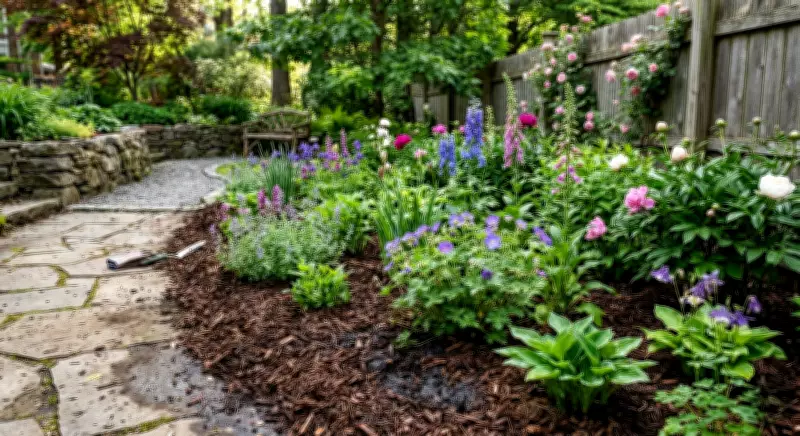
If you have been delaying the task of refreshing the mulch in your garden beds, late spring is indeed one of the optimal times to undertake this activity, but only when executed correctly. The urge to get outdoors as soon as the weather warms up is strong, particularly for those who have watched their garden lie dormant through the winter months.
Why Timing and Restraint Matter in Spring Mulching
Many people underestimate the importance of timing and restraint when it comes to mulching in spring. Spring is a season of recovery, not renovation. Before you haul out the wheelbarrow, remember that your garden is still waking up from winter dormancy. According to the University of Minnesota Extension, spring should be treated as a recovery period rather than a full renovation, and this principle applies to mulching as well. Working in wet, soft beds—common well into late spring across much of the United States—can compact roots, leave footprints, and create long-term difficulties.
The solution is straightforward: wait until the ground has dried and firmed up enough for light activity without causing damage. Mulching too early is not only a waste of effort but can also lock in unfavorable conditions and stress plants just as they are trying to establish themselves.

The Benefits of Mulch for Garden Beds
Most gardeners first notice weed suppression as an immediate benefit. A good layer of mulch blocks light that weed seeds need to germinate, significantly reducing the number of weeds that emerge. While not a complete solution, it greatly diminishes the hand-pulling required later in the season.
Moisture retention is another critical advantage. A study published in Frontiers in Agronomy highlights that mulching in dryland agriculture offers benefits such as moisture retention, temperature regulation, weed suppression, and improved soil health. Mulch acts as a protective barrier, decreasing water runoff and helping to retain nutrients in the root zone, thereby increasing their availability to plants. For home gardeners, this translates to more uniform conditions around roots and reduced need for watering during dry spells.
Lessons from Straw-Mulched Strawberry Beds
Straw-mulched strawberry beds effectively suppress weeds, reduce disease pressure, keep fruit off the soil, and allow plants to grow through the mulch. This simple setup accomplishes multiple tasks simultaneously. You do not need to grow strawberries to benefit from this method; it works for any garden bed with low-spreading plants, such as herbs, groundcovers, or perennial borders. Bare ground invites weeds and moisture loss, and a mulch layer seals in protection.
Preparing the Bed Before Mulching
Order of operations is crucial. Do not skip spring cleanup by applying mulch as a quick fix. Rake off any dead plant material, ensure the soil has firmed up, and confirm that plants are settled before spreading mulch. If you have recently planted new transplants with stressed roots, mulching will not address the underlying issue—it merely covers it up. The University of Minnesota Extension advises against rushing wet ground; avoid major digging or aggressive work until late summer or fall. Spring work should be light and selective.
Keep It Simple: Timing Does the Heavy Lifting
Late spring mulching does not require multiple layers or a complete garden renovation. It is a modest, well-timed refresh that prepares beds for summer. Once the soil is workable, applying a couple of inches of straw, wood chips, or shredded leaves can reduce weeding time, help soil retain moisture longer, and protect the surface as temperatures rise. The gardeners who benefit most from mulch are those who wait for the right time and work with the season, not against it. This is arguably the cheapest, lowest-effort upgrade your garden beds can receive this spring.