

Kitchen Sponge Cancer Myth: Separating Fact from Viral Fiction
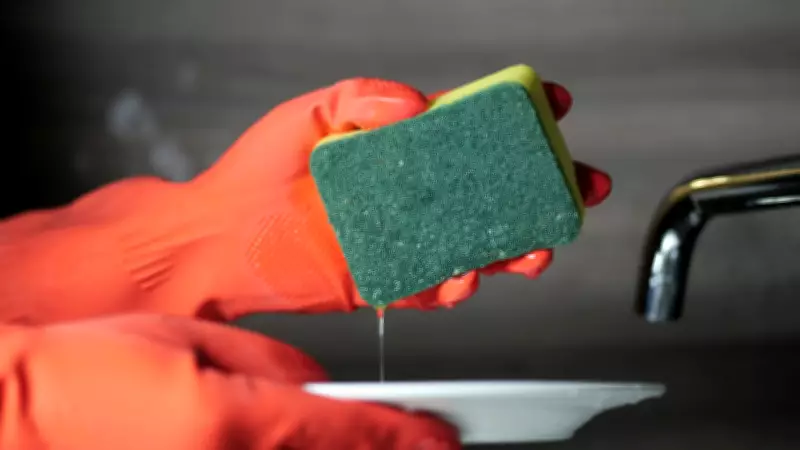
Social media platforms have recently been flooded with alarming warnings about a supposed "kitchen sponge cancer" risk, creating widespread concern among households. The viral claim suggests that everyday kitchen sponges could be carcinogenic, but medical experts are stepping forward to clarify the reality behind this sensationalized narrative.
The Misleading Nature of Viral Health Claims
The term "kitchen sponge cancer" itself is medically inaccurate and misleading. There exists no recognized medical condition by this name, and the phrase represents a viral trend rather than a scientifically validated health concern. The confusion typically arises when people misinterpret research about bacterial presence in kitchen sponges and incorrectly associate it with cancer development.
Dr. Abhijit Kotabagi, a senior consultant in surgical oncology at Yatharth Super Speciality Hospital, Greater Noida, provides crucial perspective: "The notion that ordinary kitchen sponges could be linked to cancer sounds alarming, but it's essential to distinguish between myth and scientific evidence. While sponges do harbor bacteria due to their moist, porous nature—especially when not properly maintained—there is absolutely no direct scientific proof connecting them to cancer causation."

Understanding the Actual Risks
Scientific studies, including research published by the National Institutes of Health (NIH), confirm that kitchen sponges can indeed host millions of microbes when kept damp and not regularly cleaned or replaced. However, this bacterial presence relates to infection risks rather than cancer development.
The real concerns associated with neglected kitchen sponges include:
- Transferring harmful bacteria to dishes, utensils, and food preparation surfaces
- Increasing the likelihood of gastrointestinal infections
- Contributing to foodborne illnesses when kitchen hygiene standards are inadequate
Dr. Kotabagi emphasizes: "Public awareness often amplifies fear, but informed habits prove far more powerful than panic. Instead of worrying about improbable cancer connections, we should concentrate on implementing safe food practices and maintaining cleanliness in our daily kitchen routines."
Simple, Effective Preventive Measures
The positive aspect of this situation is that kitchen sponge hygiene represents one of the most manageable health concerns. Implementing straightforward practices can significantly reduce bacterial risks without requiring expensive equipment or complicated procedures.
- Regular Replacement: Change kitchen sponges every one to two weeks to prevent excessive bacterial buildup
- Proper Drying: Allow sponges to dry completely after each use, as moisture accelerates microbial growth
- Effective Disinfection: Sanitize sponges using hot water or microwave heating (when safe and appropriate)
- Designated Use: Avoid employing the same sponge for dishwashing and cleaning spills or countertops
These practical steps not only minimize bacterial contamination but also restore a sense of control in the kitchen environment where families spend considerable time preparing meals.
Why Viral Health Fears Spread Rapidly
Medical experts observe a consistent pattern in how such health claims gain viral traction. They typically combine three compelling elements: a common household item, a serious disease reference, and a suggestion of hidden danger. This combination captures attention and encourages sharing, though it frequently blurs the distinction between reasonable caution and unnecessary alarm.
The Essential Takeaway
A kitchen sponge does not qualify as a cancer-causing object. It functions as a hygiene tool that requires basic maintenance and regular replacement. The genuine lesson here involves awareness rather than fear—clean kitchen habits provide more effective protection than viral warnings ever could.
Dr. Kotabagi concludes: "The real concern lies in infection risks from harmful microbes that can contaminate food and surfaces. By focusing on evidence-based practices rather than sensationalized claims, households can maintain safer, healthier kitchen environments."






