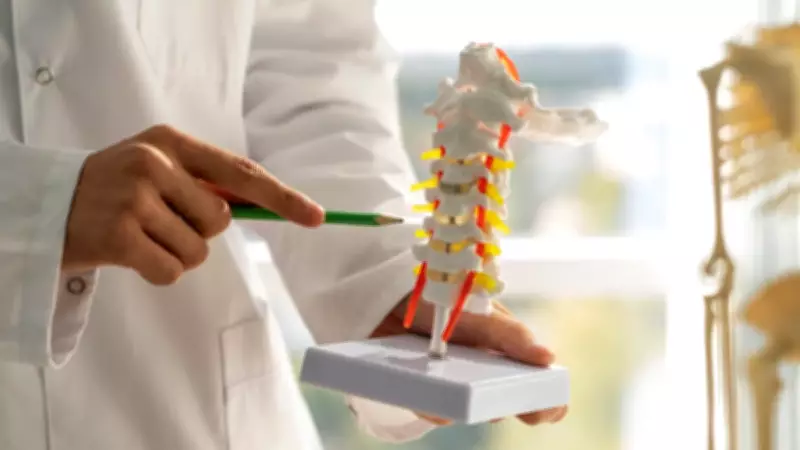
The Hidden Dangers of Poor Posture on Your Spine
In today's digital age, poor posture has become a widespread issue, silently wreaking havoc on spine health. Many individuals spend hours hunched over screens or slouching in chairs, unaware of the long-term consequences. This article explores how poor posture affects your spine, the risks involved, and practical steps to mitigate damage.
How Poor Posture Impacts Spinal Structures
Poor posture places excessive strain on the spine's natural curves, leading to misalignment and wear over time. When you slouch or adopt unnatural positions, it disrupts the balance of muscles and ligaments supporting the spine. This can cause the vertebrae to shift, compressing discs and nerves. Over time, this strain accelerates degenerative changes, such as disc herniation or arthritis, making the spine more vulnerable to injuries and chronic conditions.
Common Health Risks Associated with Poor Posture
The effects of poor posture extend beyond mere discomfort, posing serious health risks. Chronic back pain is a primary concern, often resulting from muscle imbalances and spinal stress. Additionally, poor posture can lead to reduced mobility and flexibility, limiting daily activities. In severe cases, it may contribute to conditions like sciatica, where compressed nerves cause pain radiating down the legs. Other risks include headaches from neck strain and digestive issues due to compressed abdominal organs.

- Persistent back or neck pain
- Stiffness and reduced range of motion
- Frequent headaches or muscle fatigue
- Numbness or tingling in limbs
Prevention and Correction Strategies
Improving posture is crucial for maintaining spine health and preventing long-term damage. Start by being mindful of your sitting and standing habits—keep your back straight, shoulders relaxed, and feet flat on the ground. Incorporate regular stretching and strengthening exercises, such as yoga or pilates, to support spinal muscles. Ergonomic adjustments, like using supportive chairs and adjusting screen heights, can also make a significant difference. Consulting a healthcare professional for personalized advice is recommended if symptoms persist.
Pro Tip: Take frequent breaks to move around and avoid prolonged static positions.The Role of Lifestyle in Spine Health
Beyond posture, overall lifestyle choices play a vital role in spine health. Maintaining a healthy weight reduces pressure on the spine, while regular physical activity strengthens supporting muscles. Adequate hydration and a balanced diet rich in calcium and vitamin D support bone density. Avoiding habits like smoking, which can impair blood flow to spinal tissues, is also beneficial. By adopting a holistic approach, you can protect your spine and enhance overall well-being.
In summary, poor posture is a silent threat to spine health, but with awareness and proactive measures, its effects can be managed. Prioritize good posture habits and a healthy lifestyle to safeguard your spine for years to come.