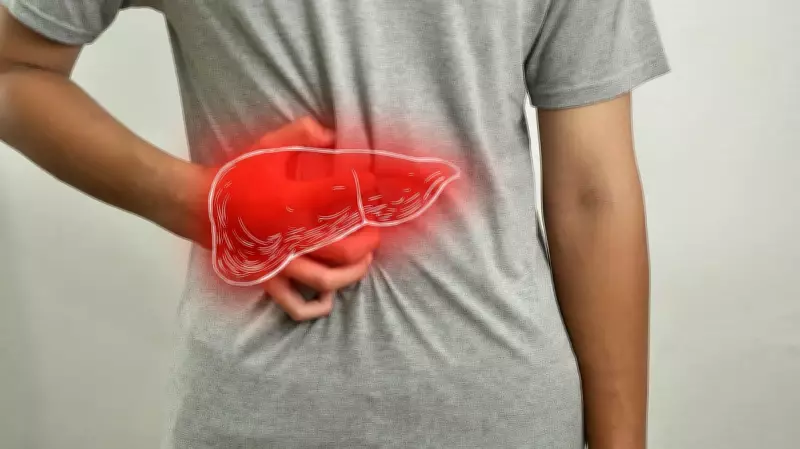
The Devastating Impact of Alcohol on Liver Health
The liver is a vital organ responsible for processing alcohol and eliminating toxins from the human body. However, consistent and excessive alcohol intake can severely compromise its function, leading to a cascade of harmful effects.
How Alcohol Damages Liver Cells
When alcohol is consumed, the liver works to metabolize it, but this process generates harmful by-products. With repeated alcohol exposure, these toxic substances directly attack and damage the delicate liver cells. This cellular injury is the primary mechanism through which alcohol initiates liver disease.
The Progressive Stages of Alcohol-Related Liver Damage
The deterioration of liver health due to alcohol typically follows a predictable and alarming progression:

- Fatty Liver (Steatosis): The initial stage involves the accumulation of fat within liver cells. This condition, known as fatty liver, often develops even with moderate drinking and may be reversible if alcohol consumption is stopped early.
- Alcoholic Hepatitis: As drinking continues, inflammation sets in, leading to alcoholic hepatitis. This stage is characterized by liver swelling, pain, and impaired function, signaling more serious damage.
- Cirrhosis: The most severe consequence is cirrhosis, where prolonged inflammation causes permanent scarring of liver tissue. This scarring replaces healthy liver cells, severely disrupting liver function and potentially leading to liver failure.
It is crucial to understand that this progression is not inevitable; reducing or eliminating alcohol intake can halt or even reverse damage in the early stages.
Key Insights from Medical Experts
Dr. Rajat Keshari emphasizes that the liver's ability to regenerate is remarkable, but it has limits. Chronic alcohol abuse overwhelms this capacity, making prevention and early intervention essential. Public health awareness about these risks is vital for promoting liver wellness and preventing irreversible conditions like cirrhosis.