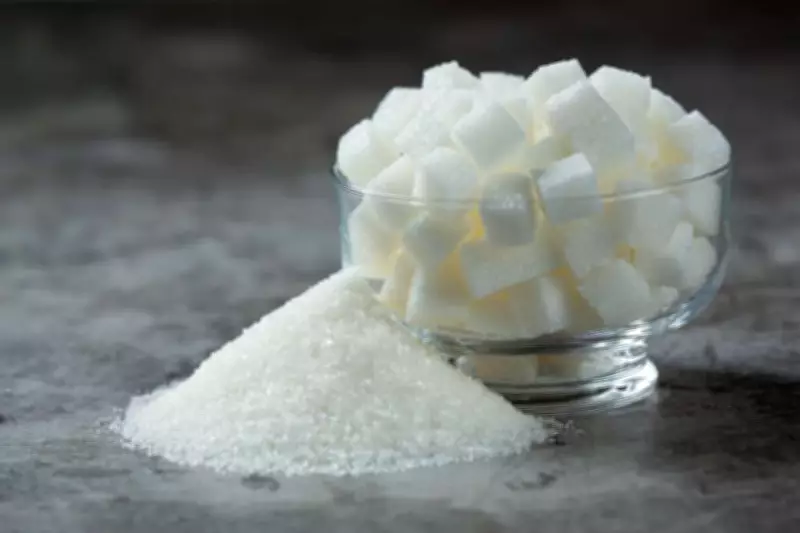
Exploring Safe and Healthy Alternatives to White Sugar
In today's health-conscious world, many people are seeking safer and healthier alternatives to refined white sugar, which is often linked to various health issues like obesity, diabetes, and heart disease. While white sugar provides empty calories with no nutritional value, there are several natural sweeteners that offer sweetness along with health benefits. This article delves into popular options such as stevia, jaggery, and honey, explaining why they are considered better choices for a balanced lifestyle.
Stevia: A Zero-Calorie Natural Sweetener
Stevia has gained significant popularity as a healthy sugar substitute, especially among those managing weight or blood sugar levels. Derived from the leaves of the Stevia rebaudiana plant, it is a natural sweetener that contains zero calories and does not raise blood glucose levels. This makes it an excellent option for diabetics and individuals following low-carb diets. Stevia is available in various forms, including liquid drops, powders, and granules, and it can be used in beverages, baking, and cooking. However, it is important to note that some stevia products may have a slightly bitter aftertaste, so it's advisable to start with small amounts to adjust to the flavor.
Jaggery: A Traditional Sweetener with Nutritional Benefits
Jaggery, also known as gur in Hindi, is a traditional unrefined sugar made from sugarcane or date palm juice. Unlike white sugar, jaggery retains minerals like iron, magnesium, and potassium, which are lost during the refining process. It is rich in antioxidants and can help in detoxifying the body, improving digestion, and boosting immunity. Jaggery has a distinct caramel-like flavor and is commonly used in Indian desserts, teas, and savory dishes. While it is healthier than white sugar, it should still be consumed in moderation due to its calorie content.

Honey: A Natural Sweetener with Healing Properties
Honey is another excellent alternative to white sugar, prized for its natural sweetness and medicinal properties. It contains antioxidants, vitamins, and minerals that can support overall health. Raw honey, in particular, has antibacterial and anti-inflammatory effects, making it beneficial for soothing sore throats and boosting the immune system. Honey can be used as a sweetener in teas, smoothies, and baked goods, but it is sweeter than sugar, so less is needed. It's important to choose pure, unprocessed honey to maximize its health benefits.
Other Notable Sugar Alternatives
Beyond stevia, jaggery, and honey, there are several other healthy sweeteners worth considering:
- Maple Syrup: Made from the sap of maple trees, it contains antioxidants and minerals like zinc and manganese.
- Coconut Sugar: Derived from coconut palm sap, it has a lower glycemic index than white sugar and provides small amounts of nutrients.
- Monk Fruit Sweetener: Extracted from monk fruit, it is calorie-free and suitable for diabetics, though it can be expensive.
Tips for Incorporating Healthy Sweeteners into Your Diet
Transitioning to healthier sugar alternatives can be easy with a few practical steps. Start by gradually replacing white sugar with options like stevia or honey in your daily beverages and recipes. Experiment with different sweeteners to find the ones that best suit your taste preferences and dietary needs. Always read labels to avoid products with added sugars or artificial ingredients. Remember, even natural sweeteners should be used in moderation as part of a balanced diet to maintain optimal health.
By choosing alternatives like stevia, jaggery, and honey, you can enjoy sweetness without compromising your well-being. These options not only reduce the risks associated with excessive sugar consumption but also contribute to a healthier lifestyle overall.