We often hear the mantra "eat healthy, live healthy," but what if some of those very healthy foods are actually working against your body? A prominent Russian cardiologist has dropped a bombshell revelation that's making health enthusiasts rethink their plates.
The Healthy Food Paradox: When Good Foods Go Bad
According to the expert, numerous foods celebrated in health circles can become silent saboteurs for people with specific medical conditions. The very ingredients that make them nutritious for most people can trigger adverse reactions in others.
Bananas: The Potassium Powerhouse That Could Backfire
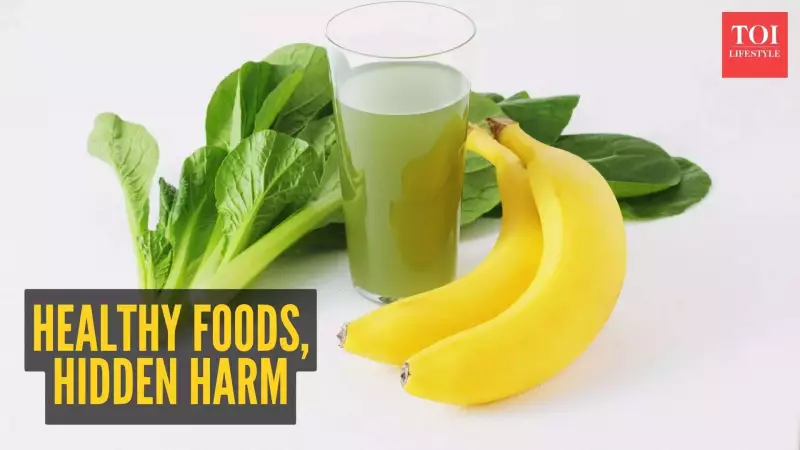
While bananas are packed with potassium and make for a perfect quick snack, they might be quietly harming individuals with kidney problems. The high potassium content that makes them great for blood pressure control can become dangerous for those whose kidneys can't properly filter excess minerals.

Spinach: The Leafy Green With a Dark Side
Popeye's favorite superfood isn't so super for everyone. Spinach contains oxalates that can contribute to kidney stone formation in susceptible individuals. For people prone to kidney stones or with existing kidney conditions, this green giant might be better left off the plate.
Other Surprising Culprits in Your Kitchen
The list of potentially problematic healthy foods doesn't stop there. The cardiologist highlighted several other common health foods that require caution:
- Nuts and seeds - Can trigger allergic reactions and digestive issues
- Citrus fruits - May worsen acid reflux and stomach ulcers
- Whole grains - Could irritate those with gluten sensitivity or IBS
- Dairy products - Problematic for lactose intolerant individuals
The Golden Rule: Know Your Body
The cardiologist emphasizes that there's no one-size-fits-all approach to nutrition. What works wonders for your friend might wreak havoc on your system. The key is understanding your unique health profile and consulting with healthcare professionals before making drastic dietary changes.
"The most expensive medicine is the one you don't need because you ate right for your body," the expert notes, highlighting the importance of personalized nutrition over following generic health trends.