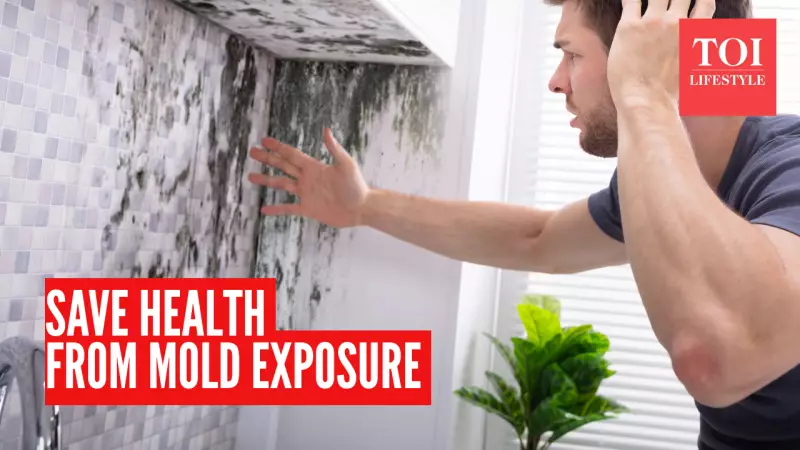
For countless individuals across India, the silent threat of mold in their homes is a persistent health hazard. Exposure to mold spores can trigger a range of immediate problems like breathing difficulties, persistent coughing, eye and skin irritation, and fatigue. More alarmingly, long-term exposure is linked to chronic respiratory tract infections and other serious health complications.
Why Immediate Relocation Isn't Always Possible
Despite the known risks, many people find themselves unable to leave a mold-affected environment. The reasons are often deeply practical and challenging, ranging from financial constraints and rental agreements to a simple lack of alternative housing options. In such situations, while permanent remediation or moving out remains the ultimate goal, taking active steps to support the body's detoxification and reduce exposure becomes critically important for protecting one's wellbeing.
Disclaimer: The following suggestions are for informational purposes and are not a substitute for professional medical advice or environmental remediation. If symptoms persist, consult a healthcare provider.

Practical Strategies to Mitigate Mold Risks
Here are several actionable methods to help safeguard your health from mold exposure while you work towards a long-term solution.
1. Invest in a Dehumidifier
Mold thrives in moist, humid conditions. A key strategy is to control indoor humidity levels. Research cited by PMC indicates that reducing indoor humidity can directly lower mold spore counts and enhance air quality. Using a dehumidifier is an effective way to extract excess moisture from the air, creating an environment where mold struggles to grow and proliferate.
2. Prioritize Ventilation
Stagnant, enclosed air allows humidity and mold spores to accumulate. Improving ventilation is a powerful, low-cost intervention. Studies confirm that enhancing air exchange reduces stagnant humid air, which in turn decreases mold proliferation and lowers the concentration of airborne spores. Regularly opening windows and using exhaust fans in kitchens and bathrooms can make a significant difference.
3. Use High-Quality Air Filters
Air purifiers equipped with true HEPA filters can trap fine particles, including mold spores. By significantly reducing the concentration of these airborne irritants, HEPA filters help improve overall indoor air quality. This may lead to a noticeable reduction in respiratory irritation, allergy symptoms, and general discomfort for occupants.
4. Consider Pure Beeswax Candles
An interesting natural method involves burning pure, high-quality beeswax candles. According to findings from the Environment Research Institute, beeswax candles release negative ions when burned. These ions bind to airborne particles like mold spores and dust, making them heavier so they fall out of the air you breathe. This natural ionization process can help pull contaminants from your indoor environment.
5. Increase Time Spent Outdoors
While direct scientific studies on this are limited, logically, reducing the time spent in the contaminated environment reduces overall exposure. Making a conscious effort to spend more hours outside in fresh air and sunlight can provide a dual benefit: it limits contact with mold spores and can improve mental well-being, which is often affected by living in a stressful, unhealthy environment.
The Irreplaceable First Step
It is crucial to understand that these protective measures do not guarantee complete protection from mold toxicity. They are supportive actions for managing risk. The most critical step for long-term health remains environmental intervention and professional mold remediation. Identifying and eliminating the source of moisture and mold is the only way to permanently resolve the issue. These strategies are a shield, but removing the threat itself is the ultimate solution for a healthy home.