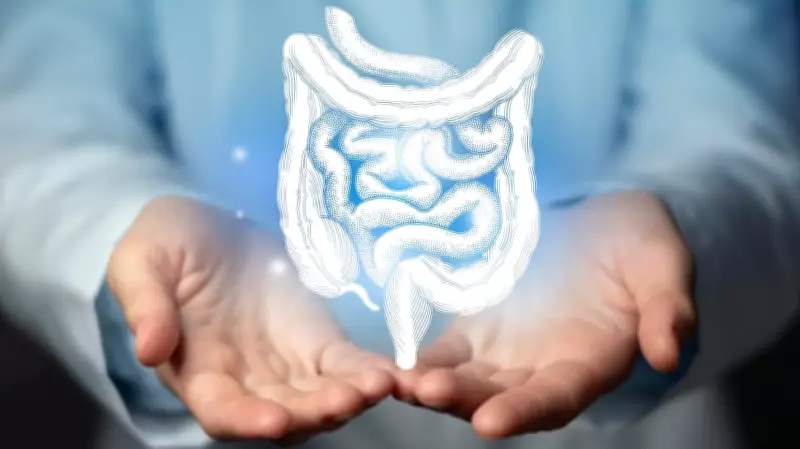
In a thought-provoking article titled 'Gut Feelings and the Body's Truths,' author Sumana Roy delves into the profound parallels between our physiological processes and emotional experiences. She argues that we have only as much control over our sleep and whom we come to love as we do over our dreams and bowel movements. This realization, she suggests, can lead to a deeper understanding of human nature and the acceptance of our inherent limitations.
The Illusion of Control
Roy challenges the common belief that we can master our bodies and emotions through sheer willpower. She points out that sleep, often seen as a controllable habit, is actually governed by complex biological rhythms that defy conscious effort. Similarly, love and attraction are not choices but responses to subtle cues and chemistry. By acknowledging this, we can reduce the guilt and frustration associated with failed attempts to control the uncontrollable.
Dreams and Digestion: Unconscious Processes
Drawing parallels between dreaming and digestion, Roy highlights how both are autonomous functions. Dreams emerge from the subconscious, weaving narratives beyond our intent, much like the gut processes food without our direction. This analogy extends to emotional 'gut feelings,' which are instinctive reactions rather than rational decisions. Embracing these truths can foster self-compassion and a more authentic relationship with our bodies.

Love as a Bodily Function
The article provocatively compares love to a bodily function, suggesting that it arises from deep-seated biological and psychological needs. Just as we cannot force ourselves to sleep, we cannot force love. This perspective liberates us from the pressure to conform to societal expectations of romance and attachment. Instead, Roy encourages a mindful observation of our feelings, akin to monitoring our health.
Acceptance and Well-being
Ultimately, Roy argues that recognizing our lack of control over these fundamental aspects of life can lead to greater peace. By accepting that our bodies have their own wisdom, we can reduce anxiety and improve mental health. The article calls for a cultural shift away from overemphasis on discipline and toward a more holistic understanding of human experience.
Sumana Roy's reflections invite readers to reconsider the boundaries between mind and body, conscious and unconscious. In doing so, she offers a refreshing take on well-being that honors the body's truths.