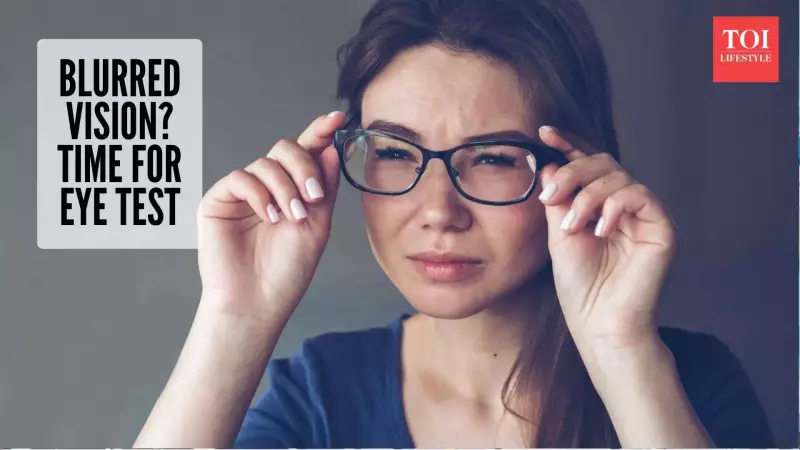
Our eyes are our constant, silent companions, navigating us through everything from reading text messages to recognising a friend across a crowded street. Yet, we often dismiss minor changes in our vision, attributing them to screen time, stress, or lack of sleep. However, these subtle shifts can be early warnings that our eyes need professional attention. An eye check-up is not just about correcting blurred sight; it's a critical step for ensuring comfort, safety, and preserving vision for the long haul.
Beyond the Obvious: Subtle Signals Your Eyes Are Strained
Many assume that only persistent blurriness warrants a visit to the optometrist. In reality, our eyes communicate distress through a variety of less obvious signs. Recognising these can help you address issues before they escalate into more serious problems.
1. Intermittent Blurring and Fluctuating Clarity
Have you noticed that some days you can read a book with ease, while on others, the same text appears slightly fuzzy even in good light? This on-and-off blurring is a common but frequently ignored symptom. It often surfaces after prolonged periods of screen use, driving, or reading. This pattern may point to early refractive errors or eye fatigue that could be easily corrected with glasses or a minor prescription change. A comprehensive eye test is designed to catch these fluctuating changes early.

2. Headaches Originating Around the Eyes
Headaches that seem to centre around the forehead, temples, or directly behind the eyes are frequently linked to vision-related strain. They typically emerge after intensive visual tasks like working on a laptop or scrolling through your smartphone. While many reach for painkillers, the root cause might be your eyes working overtime to focus. An eye exam can determine if this extra effort is the trigger.
3. The Need for Increasingly Brighter Light
If you find yourself constantly seeking brighter lamps to read comfortably under what was once sufficient room light, take note. This need for extra illumination isn't solely an age-related issue. It can signal focusing difficulties or a reduction in contrast sensitivity. People often notice this while trying to read restaurant menus or product labels. An eye check-up can diagnose why your eyes are demanding more light.
4. Habitual Rubbing and Excessive Blinking
Frequently rubbing your eyes or blinking more than usual, especially during screen time or reading, are classic signs of ocular discomfort. While it may feel like a harmless reflex, persistent rubbing can indicate underlying strain, dryness, or an imbalance in how your eyes work together. An eye care professional can assess tear film quality and check for digital eye strain or binocular vision issues causing this behaviour.
Signs Affecting Coordination and Daily Safety
Vision issues can extend beyond reading and screens, impacting spatial awareness and overall confidence in daily activities. These signs are particularly crucial for drivers and older adults.
5. Trouble with Depth Perception and Judging Distances
Misjudging the height of a step, fumbling while parking a car, or feeling unsure about the distance of an object are significant warning signs. Good depth perception relies on both eyes coordinating seamlessly. Even a slight misalignment between the eyes can disrupt this delicate balance, affecting mobility and safety. A detailed eye exam includes tests to evaluate how well your eyes work as a team.
6. Persistent Eye Fatigue Despite Adequate Sleep
If your eyes feel heavy, sore, or tired even after a full night's rest, it may not be general fatigue but specific vision strain. This sensation often builds throughout the day, worsening by evening, and may only subside when you close your eyes. This persistent tiredness can be a clue to uncorrected vision problems or eye muscle strain that an optometrist can identify.

Why Proactive and Regular Eye Exams Are Non-Negotiable
Regular eye check-ups serve a purpose far greater than just updating your glasses prescription. They are a vital preventive health measure. Many serious eye conditions, such as glaucoma or high eye pressure, develop silently without pain or obvious symptoms in their early stages. Comprehensive exams can detect these issues early, allowing for timely intervention. They also assess the impact of our digital lifestyles on eye health, helping to manage screen-related strain effectively.
Disclaimer: This article is intended for general awareness and informational purposes only. It is not a substitute for professional medical advice, diagnosis, or treatment. Always consult a qualified eye care professional, such as an ophthalmologist or optometrist, for any vision-related concerns or before making any decisions about your eye health.