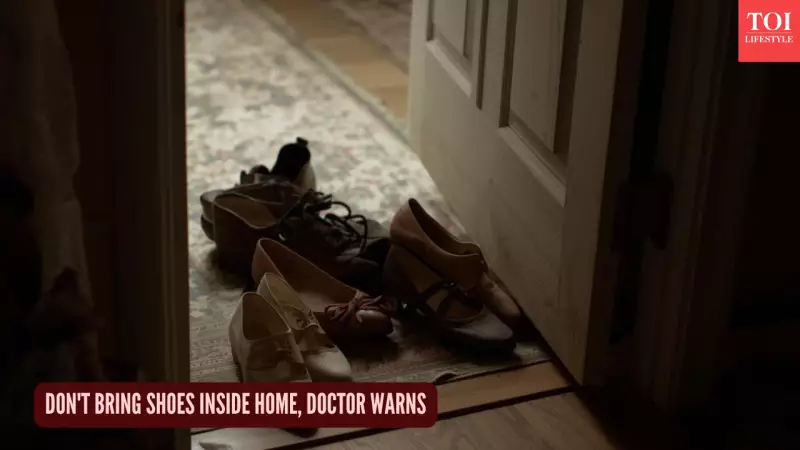
In a bid to combat invisible health threats, medical professionals are championing a simple yet powerful household rule: leave your shoes at the door. Dr. Adrian, MD, is a strong advocate, stating he never allows shoes to cross his doorstep, transforming this practice from a cultural norm into a scientifically-backed health imperative.
The Hidden Health Hazards on Your Soles
What seems like harmless dirt on footwear is often a cocktail of dangerous contaminants. Shoes act as collectors, picking up more than just mud from city streets and public spaces. They routinely carry pesticides from treated lawns and sidewalks, harmful bacteria from public restrooms, and toxic heavy metals like lead from urban pollution.
One study found a staggering 96 percent of shoes tested positive for E. coli, a bacteria linked to serious gut infections and urinary tract issues. This isn't just about cleanliness; it's about preventing the transformation of your home into a reservoir of invisible hazards.

Why Children and Families Face the Greatest Risk
The danger is most acute for young children. Infants and toddlers who crawl and play on floors constantly touch surfaces and then put their hands or toys into their mouths, creating a direct pathway for germs. Adults unknowingly spread these contaminants throughout the home, from entryways to kitchens and even bedrooms.
Over time, this leads to a buildup of harmful substances. Research from the University of Houston supports this, having found fecal bacteria, including E. coli, on nearly all shoe soles tested. Another study from New Zealand detected toxic metals like lead, cadmium, and chromium on over 40 percent of footwear.
In the Indian context, risks are amplified. Monsoon seasons can smear mud mixed with sewage bacteria into homes. Dust from ubiquitous construction sites may carry silica and traces of asbestos. For vulnerable groups like babies, the elderly, or those with weakened immune systems, exposure to these pathogens can lead to more severe and rapid infections.
Implementing a No-Shoes Rule: Simple Steps for a Safer Home
Adopting this protective habit is straightforward and need not be disruptive. The key is to make it easy for everyone in the household. Place a dedicated shoe rack or a durable mat right inside the main entrance. Keep a supply of comfortable indoor slippers or socks handy for family members and guests.
For visitors, offer disposable booties or politely explain the policy in advance. Leading by example is crucial; families are more likely to stick to the rule when parents consistently follow it. You can even make it engaging for children by creating a fun "No Shoes Zone" poster for the entryway.
To maximize benefits, pair this habit with smarter cleaning. Mop floors with disinfectants weekly and use a vacuum cleaner with a HEPA filter regularly. Allow outdoor shoes to air out in a balcony or veranda. The rewards are tangible: a cleaner living environment, potentially fewer household illnesses, and greater peace of mind.
As Dr. Adrian emphasizes, this simple act of removing shoes at the door is a highly effective barrier. It stops the cycle of contamination at its source, helping ensure your home remains a sanctuary for health and well-being, not a highway for germs and toxins.