How Your Diet Influences Cancer Risk: Key Dietary Patterns to Adopt
Over the years, extensive research has established clear connections between dietary habits and the likelihood of developing various cancers. Recent studies have shifted focus from individual "superfoods" to overall, long-term eating patterns, emphasizing that while diet is not the sole factor in cancer diagnosis, it plays a significant role at a population level. Cancer arises from a complex interplay of factors, but evidence points to certain dietary trends that can help mitigate risk.
Prioritize Plant-Based Foods for Lower Risk
Eating patterns that emphasize whole grains, fresh fruits, vegetables, and lean or plant-based proteins consistently associate with a reduced risk of cardiovascular disease, diabetes, and cancer. According to Fred Tabung, a cancer public health researcher at The Ohio State University College of Medicine, these diets help lower insulin and inflammation levels, which are key drivers of cancer. High insulin and inflammation promote cell division, DNA damage, and inhibit cell death, all hallmarks of cancer development.
Dietary fiber from whole grains, fruits, vegetables, legumes, and nuts is particularly beneficial. Dr. Kimmie Ng of Dana-Farber Cancer Institute notes that fiber speeds digestion, limiting exposure to carcinogens, and supports gut microbes that combat inflammation. Leafy greens like kale and spinach, along with dark yellow vegetables such as carrots and squash, further reduce insulin and inflammation when part of a balanced diet.

Choose Meat Wisely and Limit Processed Options
The International Agency for Research on Cancer classifies processed meats like bacon and hot dogs as carcinogenic, while red meat is considered probably carcinogenic. The iron in red meat and chemicals from high-temperature cooking, such as grilling, can cause DNA damage. Nitrates in processed meats also strongly link to cancer. Experts recommend avoiding processed meats and limiting red meat to two to three servings weekly.
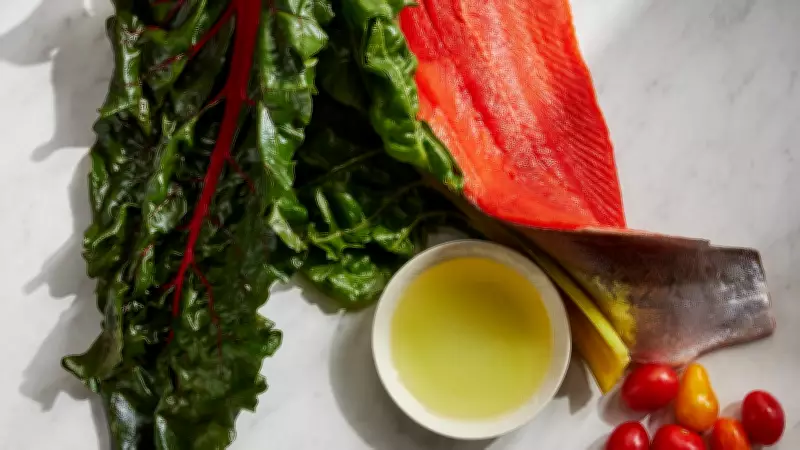
Carrie Daniel-MacDougall of MD Anderson Cancer Center suggests using acidic marinades, like citrus-based ones, to reduce carcinogens when grilling. Alternatively, opt for fish, which may independently lower cancer risk, as advised by Dr. Andrew Chan of Mass General Brigham.
Reduce Ultraprocessed Foods and Alcohol Intake
Ultraprocessed foods, including sugar-sweetened beverages, are increasingly linked to cancer due to high sugar and calorie content, contributing to insulin resistance and obesity. Lab studies indicate these foods disrupt gut microbes and promote inflammation. A French study found preservatives in such foods increase cancer risk, especially for breast and prostate cancer. Mathilde Touvier recommends buying fresh or frozen produce and foods with simple ingredients to limit preservative intake.
Alcohol consumption, even in light amounts, raises cancer risk. Giota Mitrou of the American Institute for Cancer Research states there is no safe level, with less being better and avoidance best. Alcohol breaks down into toxic acetaldehyde, increases estrogen levels linked to breast cancer, and causes oxidative stress. Drinking with food may reduce carcinogen exposure.
Consider Coffee, Tea, and Dairy Benefits
Fred Tabung's research shows up to three cups of coffee or tea daily can lower insulin resistance and inflammation, thanks to protective chemicals. Robin Ralston of The Ohio State University Comprehensive Cancer Center encourages consumption without added sugar. Dairy, particularly fermented options like yogurt and cheese, supports gut health and reduces inflammation, with calcium lowering colorectal cancer risk.
Understand the Role of Obesity in Cancer
Obesity is a major link between diet and cancer, associated with over a dozen cancers, including breast and colorectal types. Edward Giovannucci of Harvard T.H. Chan School of Public Health explains that fat tissue increases estrogen, driving breast and endometrial cancer, while visceral fat promotes inflammation and insulin resistance. Exercise, at least 30 minutes most days, improves insulin sensitivity and reduces inflammation. Maintaining a healthy weight through diet and exercise is crucial, as it overlaps with risks for diabetes, cardiovascular disease, and dementia.

This article highlights how adopting healthy dietary habits can significantly influence cancer prevention, emphasizing a holistic approach to wellness.