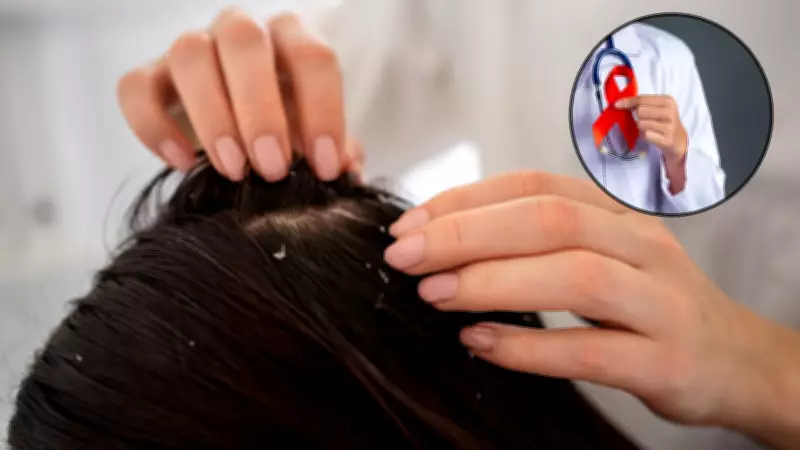
Can Dandruff Be a Hidden Sign of HIV? Expert Debunks Viral Social Media Claim
A recent Instagram reel by creator Dr. Fahad Imtiaz has sparked widespread concern by suggesting that seborrheic dermatitis, commonly known as dandruff, could serve as an early warning sign of HIV. In the video, Dr. Imtiaz recounts a clinical experience where a patient with scalp flaking was later diagnosed with HIV after returning with significant weight loss. The claim has gone viral, prompting many to question whether a simple barber visit or persistent dandruff could indicate a serious underlying condition.
Expert Weighs In on the Viral Assertion
To verify these claims and provide accurate medical insight, we consulted Dr. Shivani Yadav, a dermatologist at Skin Avenue Clinic in Haryana. Dr. Yadav emphasizes that while seborrheic dermatitis is a common condition, it is not typically a definitive indicator of HIV. "Seborrheic dermatitis is very common and in most cases has nothing to do with HIV," she states. "People with HIV can experience more severe or widespread flaking, but dandruff alone is not considered an early or definitive sign of the virus."
Distinguishing Between Common Dandruff and HIV-Related Symptoms
Dr. Yadav clarifies that HIV-related seborrheic dermatitis tends to be more severe and may spread beyond the scalp to areas such as the chest, back, and skin folds. It can also be resistant to standard treatments like ketoconazole shampoo. However, she notes that visually differentiating between common dandruff and HIV-linked symptoms is nearly impossible without proper blood tests. "These symptoms are not diagnostic on their own," she explains, "but if they occur alongside other health changes or risk factors, it's wise to seek medical evaluation."

Debunking the Barber Shop HIV Transmission Myth
The viral reel also implied that HIV could be contracted through a minor cut from an unsterilized razor at a barber shop. Dr. Yadav addresses this by highlighting the extremely low risk of such transmission. "The risk is extremely low," she asserts. "HIV does not survive well outside the body, and a small nick from a razor is not sufficient to transmit the virus. While sterilization is crucial for general hygiene, it's not a realistic HIV risk scenario."
Other Skin Signs Associated with HIV
Beyond dandruff, Dr. Yadav points out other skin conditions that may appear in early or progressing HIV cases, including:
- Persistent oral thrush
- Frequent herpes outbreaks
- Unusual fungal infections
- Non-healing ulcers
- Generalized itching
- Sudden severe psoriasis
She stresses that these symptoms should not cause panic but rather serve as reminders to consult a healthcare professional if they persist or are accompanied by other concerning signs.
Key Takeaways for the Public
The overarching message from experts is clear: stubborn dandruff is usually benign and not a cause for alarm. However, if it is severe, widespread, and coupled with other health changes—such as unexplained weight loss or frequent infections—it may warrant a doctor's visit. Only a proper HIV test can confirm infection, and self-diagnosis based on skin symptoms alone is unreliable. This viral claim underscores the importance of relying on verified medical advice rather than social media anecdotes for health-related concerns.