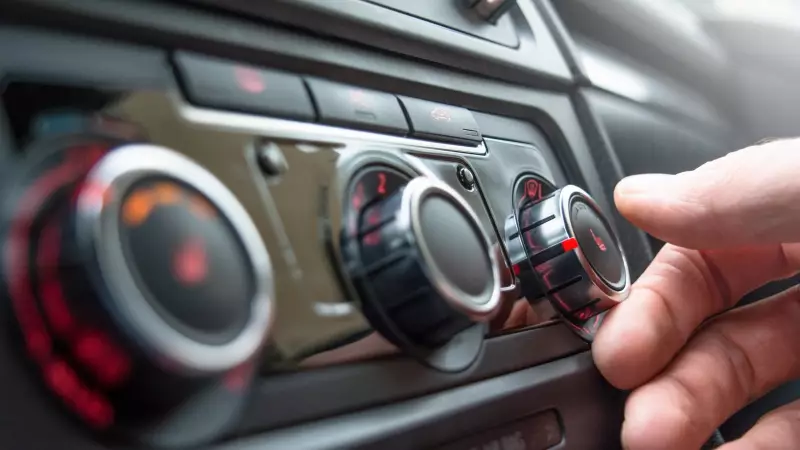
That small button on your car's dashboard that recirculates air could be putting you at serious risk during long drives. Recent warnings from medical experts highlight how prolonged use of air recirculation mode can lead to dangerous levels of carbon dioxide buildup inside your vehicle.
The Science Behind Cabin Air Quality
According to Dr Anika Parrikar, Associate Consultant in Interventional Pulmonology and Lung Transplant at Aster Whitefield Hospital, the danger isn't about oxygen depletion as many assume. The real concern is stale air accumulating in the cabin when windows remain closed and the same air circulates repeatedly.
With every breath you and your passengers exhale, carbon dioxide levels gradually increase. Dr Parrikar explains that even a mild rise in CO₂ concentrations - just two to three times above normal outdoor levels - can significantly impact brain function and alertness.
How CO₂ Affects Your Driving Ability
The consequences of poor ventilation are particularly dangerous for drivers. CO₂ buildup leads to mental dullness, sleepiness, and dizziness - all conditions that compromise driving safety. While oxygen levels don't drop dramatically, the effectiveness of oxygen reaching the brain decreases substantially.
This creates a dangerous combination of symptoms including heaviness in the head, slowed thinking, and drowsiness. Warm, stagnant air intensifies these effects, creating what experts describe as a mental fog that can severely impact reaction times.
Safe Usage Guidelines from Experts
Dr Parrikar emphasizes that recirculation mode should only be used for short periods, primarily to cool the car quickly. For longer journeys, she recommends switching to fresh-air mode every 30 minutes. When multiple passengers are in the vehicle, this switching should occur even more frequently.
In heavy traffic or highly polluted urban areas, alternating between recirculation and fresh-air modes becomes essential to prevent stale-air accumulation while minimizing exposure to external pollutants.
Recognizing the Warning Signs
Drivers should be alert to several key indicators that cabin air quality has deteriorated:
- Sudden sleepiness or frequent yawning
- Heaviness in the head and difficulty concentrating
- Dizziness or mild nausea
- Slight breathlessness or mental fogginess
Ignoring these warning signs can lead to extreme fatigue and impaired judgment, creating a potentially lethal situation on the road.
Practical Solutions for Safe Driving
Dr Parrikar recommends a straightforward approach to maintaining healthy air quality during drives. Regularly alternate between recirculation and fresh-air modes, crack windows open briefly every hour, and ensure cabin air filters are maintained according to manufacturer guidelines.
Most importantly, if you begin experiencing any symptoms of drowsiness or lightheadedness while driving, ventilate the vehicle immediately. This simple awareness and prompt action could prove lifesaving, especially during long highway journeys.
The timing of these warnings is particularly relevant as we enter the holiday season, when many families embark on long road trips. Understanding proper car ventilation practices isn't just about comfort - it's a crucial component of road safety that every driver should master.