Best and Worst Food Items for Weight Loss in 2026: A Comprehensive Guide
As we approach 2026, the landscape of nutrition and weight management continues to evolve, with new insights shaping dietary recommendations. Understanding which foods to embrace and which to avoid is crucial for achieving sustainable weight loss and overall health. This guide delves into the best and worst food items for weight loss, offering practical advice based on the latest scientific findings and expert opinions.
Best Food Items for Weight Loss in 2026
Incorporating nutrient-dense foods into your diet can significantly enhance weight loss efforts by boosting metabolism, reducing cravings, and promoting satiety. Here are the top food items to prioritize:
- Leafy Greens: Vegetables like spinach, kale, and Swiss chard are low in calories but high in fiber, vitamins, and minerals. They help fill you up without adding excess calories, making them ideal for weight management.
- Lean Proteins: Sources such as chicken breast, fish, tofu, and legumes support muscle maintenance and increase feelings of fullness. Protein has a high thermic effect, meaning your body burns more calories digesting it.
- Whole Grains: Foods like quinoa, oats, and brown rice provide complex carbohydrates and fiber, which stabilize blood sugar levels and prevent overeating. They are more satiating than refined grains.
- Berries and Fruits: Berries, apples, and citrus fruits are rich in antioxidants and fiber, aiding digestion and curbing sugar cravings. Their natural sweetness can satisfy sweet tooths without the empty calories of processed sweets.
- Healthy Fats: Avocados, nuts, and olive oil contain monounsaturated and polyunsaturated fats that promote heart health and keep you satisfied longer. They should be consumed in moderation due to their calorie density.
Worst Food Items for Weight Loss in 2026
Avoiding certain foods is equally important, as they can hinder weight loss by contributing to calorie surplus, inflammation, and poor metabolic health. Steer clear of these items:

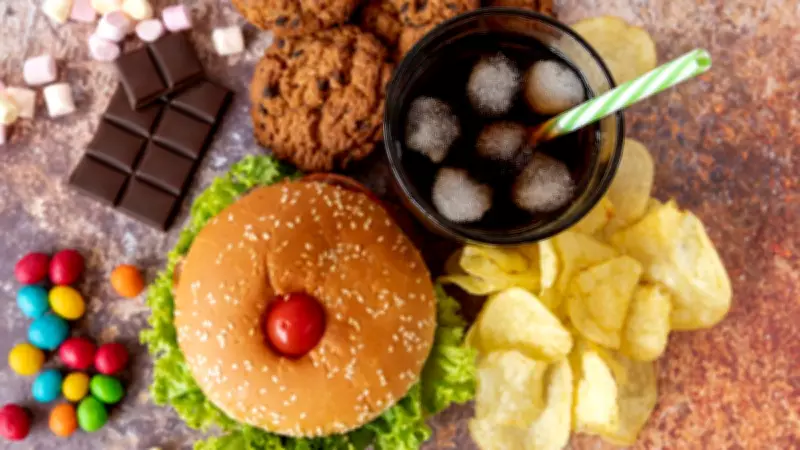
- Sugary Beverages: Sodas, energy drinks, and sweetened juices are loaded with empty calories and added sugars, which spike blood sugar and promote fat storage. They offer little nutritional value and can lead to weight gain.
- Processed Snacks: Chips, cookies, and packaged snacks often contain trans fats, refined flour, and high levels of sodium. These ingredients can increase cravings and disrupt appetite regulation.
- Fried Foods: Items like french fries, fried chicken, and samosas are high in unhealthy fats and calories. They are linked to inflammation and can slow down metabolism, making weight loss more challenging.
- Refined Carbohydrates: White bread, pasta, and pastries made from refined flour cause rapid spikes in blood sugar, leading to energy crashes and increased hunger. They lack the fiber found in whole grains.
- High-Calorie Condiments: Sauces like mayonnaise, creamy dressings, and ketchup can add significant calories and sugar to meals without providing satiety. Opt for herbs, spices, or vinegar-based alternatives instead.
Expert Tips for Effective Weight Loss in 2026
Beyond food choices, adopting holistic strategies can enhance your weight loss journey. Consider these expert recommendations:

- Portion Control: Even healthy foods can lead to weight gain if consumed in large quantities. Use smaller plates and be mindful of serving sizes to avoid overeating.
- Hydration: Drinking plenty of water throughout the day can boost metabolism and reduce hunger. Sometimes, thirst is mistaken for hunger, leading to unnecessary snacking.
- Regular Physical Activity: Combine a balanced diet with regular exercise, such as cardio and strength training, to burn calories and build muscle. This synergy accelerates weight loss and improves overall fitness.
- Mindful Eating: Pay attention to hunger cues and eat slowly to allow your body to register fullness. Avoid distractions like TV or smartphones during meals to prevent overconsumption.
- Consistency Over Perfection: Focus on making sustainable changes rather than extreme diets. Small, consistent adjustments to your eating habits are more effective for long-term weight management.
In summary, the best food items for weight loss in 2026 are those rich in nutrients, fiber, and protein, while the worst are typically high in sugar, unhealthy fats, and empty calories. By making informed choices and incorporating expert tips, you can achieve your weight loss goals and maintain a healthier lifestyle. Remember, individual needs may vary, so consulting a nutritionist or healthcare provider for personalized advice is always beneficial.