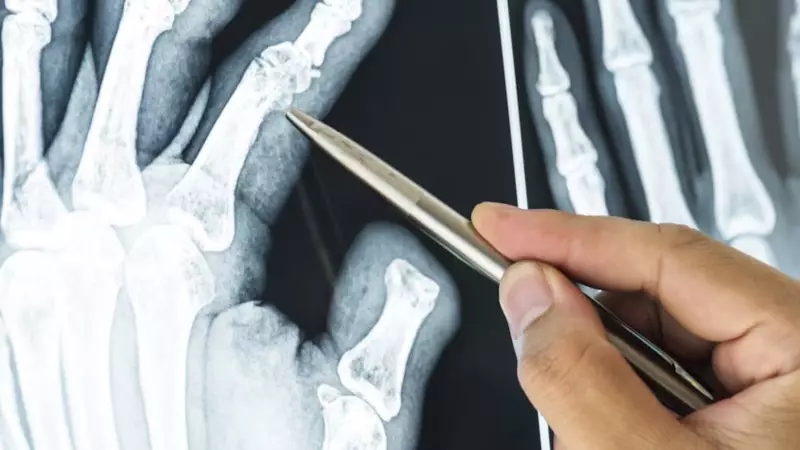
Frequent bone fractures can significantly impact your quality of life, but the good news is that many fractures are preventable with proper care and lifestyle adjustments. Understanding what makes bones strong and resilient is the first step toward building a fracture-resistant body.
Understanding Bone Health Fundamentals
Bones are living tissues that constantly undergo remodeling throughout our lives. This process involves the removal of old bone tissue and the formation of new bone tissue. When this balance is disrupted, bones can become weak and prone to fractures. Several factors contribute to bone health, including nutrition, physical activity, hormonal balance, and overall lifestyle choices.
Age plays a crucial role in bone density, with peak bone mass typically achieved by age 30. After this point, bone loss gradually outpaces bone formation, making preventive measures increasingly important as we age. However, people of all ages can benefit from bone-strengthening habits.

Essential Strategies for Stronger Bones
Calcium-rich diet forms the foundation of bone health. This essential mineral is the primary building block of bones, and inadequate intake forces the body to withdraw calcium from bones, weakening them over time. Excellent sources include dairy products, leafy green vegetables, fortified foods, and certain fish like sardines and salmon.
Vitamin D is equally critical as it enables calcium absorption in the body. Without sufficient vitamin D, even high calcium intake may not properly benefit your bones. Sunlight exposure remains the most natural source, while fatty fish, egg yolks, and fortified foods provide dietary options. In some cases, supplements may be necessary, especially for those with limited sun exposure.
Regular weight-bearing exercises stimulate bone formation and strengthen existing bone structure. Activities like walking, jogging, dancing, and resistance training put healthy stress on bones, prompting them to become denser and stronger. Balance exercises also play a vital role in fracture prevention by reducing fall risk.
Lifestyle Factors That Impact Bone Strength
Several lifestyle choices can either support or undermine bone health. Smoking has been clearly linked to reduced bone density, as it interferes with the body's ability to absorb calcium and reduces blood supply to bones. Similarly, excessive alcohol consumption can disrupt the bone remodeling process and increase fall risk.
Maintaining a healthy body weight is important for bone health. Being underweight increases fracture risk, while excessive weight can strain the skeletal system. A balanced approach with adequate nutrition supports optimal bone density.
Protein intake deserves special attention since it provides the structural framework for bones. Adequate protein supports bone matrix formation and helps preserve bone mass during aging. Include lean meats, poultry, fish, legumes, and dairy in your diet for comprehensive bone support.
Practical Prevention Tips for Daily Life
Beyond nutrition and exercise, simple daily habits can significantly reduce fracture risk. Creating a safe home environment by removing tripping hazards, ensuring proper lighting, and installing grab bars in bathrooms can prevent falls that lead to fractures.
Regular health check-ups that include bone density testing when appropriate can help identify problems early. Certain medications and medical conditions can affect bone health, making professional medical guidance invaluable for those at higher risk.
Consistency is key when implementing bone-protective habits. Unlike quick fixes that provide temporary results, bone health requires ongoing attention and maintenance. Building these practices into your daily routine ensures long-term protection against fractures.
By understanding these principles and implementing them consistently, you can significantly reduce your risk of frequent bone fractures and maintain strong, healthy bones throughout your life. Remember that prevention always proves easier and more effective than treatment when it comes to bone health.