

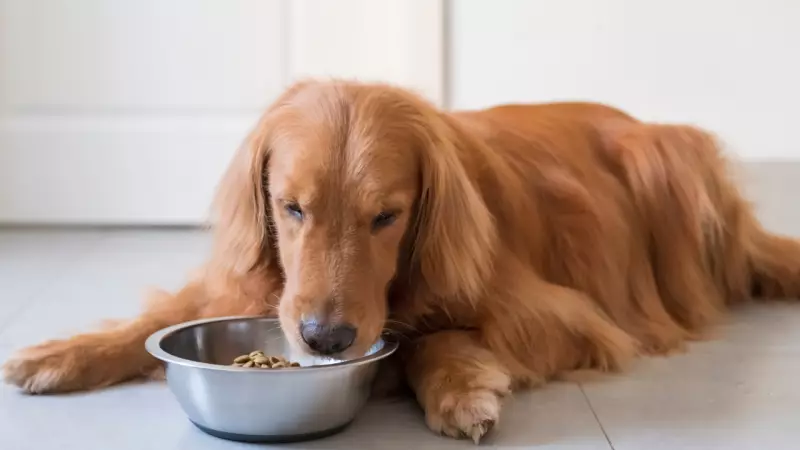
For countless dog owners across India, feeding time represents one of life's simple joys - the enthusiastic tail wagging, those pleading eyes, and the adorable head tilts that melt our hearts. However, our canine companions lack the understanding that not everything edible is safe for them. Their powerful sense of smell often overrides caution, leading them to consume anything that seems appetizing, whether it's a fallen biscuit or accidentally dropped chocolate. This innocent behavior can quickly turn dangerous.
Why Human Food Can Be Hazardous for Dogs
While dogs share our homes and hearts, their digestive systems function very differently from humans. Numerous common kitchen ingredients that we consume regularly can prove toxic, damaging, or even fatal for our four-legged friends. The particular challenge lies in how frequently these dangerous foods appear in our daily cooking routines. Understanding what should never reach your dog's bowl could potentially save their life.
The Most Dangerous Foods for Canine Health
Chocolate and Caffeine Products
What humans consider a delightful treat becomes a dangerous substance for dogs. Chocolate contains theobromine and caffeine, both stimulants that dogs cannot metabolize effectively. Even small quantities, particularly of dark chocolate, can trigger vomiting, diarrhea, rapid heartbeat, muscle tremors, and in severe instances, seizures. The toxicity level increases with darker, more bitter chocolate varieties. A single brownie or piece of dark chocolate might necessitate emergency veterinary care for smaller dog breeds.

Onions, Garlic and Allium Family Vegetables
This category represents one of the most concealed threats in homemade Indian food. Onions, garlic, leeks, chives, and scallions - whether raw, cooked, or powdered - can damage a dog's red blood cells, potentially leading to hemolytic anemia. The most alarming aspect is the cumulative nature of this toxicity. Regular feeding of leftover vegetable dishes, garlic-heavy gravies, or spice-laden roti can gradually create serious medical complications without displaying obvious early warning signs. Any human food containing onion or garlic in any form should remain strictly off-limits.
Grapes, Raisins and Related Products
This danger surprises many pet parents. Grapes and raisins can trigger sudden kidney failure in dogs, with no scientifically established safe consumption level. Even one raisin or a small fragment of fruitcake might provoke dangerous reactions in certain dogs. Symptoms typically begin with vomiting and lethargy within hours of ingestion. Since individual reactions vary unpredictably between dogs, all grape-based products should be kept well away from curious canine noses.
Xylitol and Sugar-Free Food Items
Xylitol, an artificial sweetener present in sugar-free chewing gum, certain peanut butter brands, candies, bakery products, and even some toothpaste varieties, poses a severe threat to dogs. Canines experience dramatic reactions to this substance, as it prompts rapid insulin release leading to severe hypoglycemia (dangerously low blood sugar levels). Within minutes to an hour after consumption, a dog might display dizziness, weakness, or even collapse. Higher xylitol doses can cause liver failure. Always examine product labels carefully before offering any packaged food to your dog.
Alcohol, Raw Dough and Fermented Foods
Alcohol affects dogs much more intensely than humans. Even minimal exposure to alcoholic beverages or fermented foods (such as over-fermented idli or dosa batter) can cause vomiting, disorientation, and dangerous body temperature drops. Raw bread dough presents particular risks. When ingested, it expands inside the stomach while the yeast begins fermenting, producing alcohol internally - creating a dual threat. If your dog consumes raw dough, consider it an emergency situation requiring immediate veterinary attention.

Processed Human Snacks and Their Hidden Dangers
Chips, biscuits, sweets, namkeen, and similar processed human snacks contain excessive amounts of salt, sugar, preservatives, and unhealthy fats. Dogs have no nutritional requirement for these substances, and their digestive systems struggle to process them. Salt-heavy foods can cause dehydration and potential poisoning, while sugary treats contribute to obesity and dental problems. Even occasional small bites of human junk food, when given regularly, can gradually compromise your dog's health over time.
Protecting Your Canine Companion
Being a responsible dog parent involves more than providing love and shelter - it requires vigilant attention to their dietary safety. By understanding these common household food dangers and maintaining strict feeding boundaries, you can ensure your furry family member remains healthy and happy for years to come. When in doubt about any food item's safety, always err on the side of caution and consult your veterinarian. Your dog's wellbeing is worth that extra precaution.





