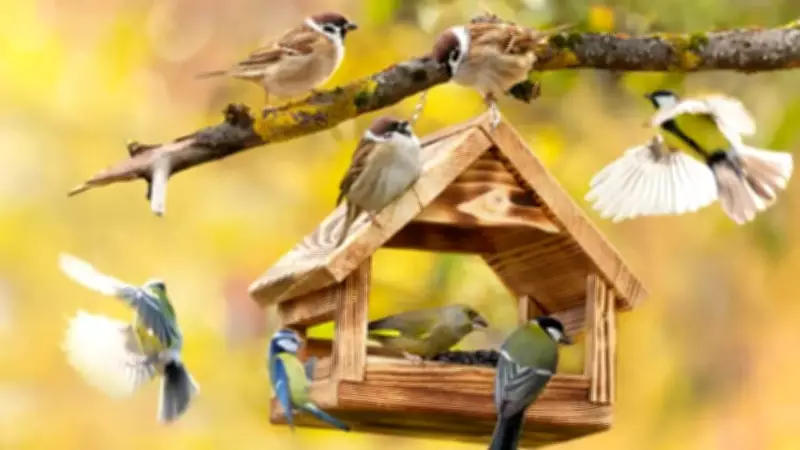
Gardens full of birds indicate a healthy ecosystem. Beyond their melodious songs and vibrant colors, birds provide essential services such as pest control, pollination, and enhancing biodiversity. However, attracting birds requires more than planting a few green plants. Experts emphasize that the key to attracting birds lies in providing food, water, safe shelter, and nesting sites. By incorporating specific elements into your garden, you can create an inviting habitat for various bird species throughout the year.
1. Provide Access to Water
Water is a powerful attractant for birds, especially during hot and dry weather. Installing a birdbath, a shallow water bowl, or a small fountain can significantly increase bird visits. Clean water is crucial for drinking and bathing. Professionals recommend changing the water frequently to prevent algae growth and bacterial contamination. Even a simple bowl of fresh water can dramatically boost the number of birds visiting your garden.
2. Plant Native Vegetation
Native plants are the most effective way to attract birds, as birds recognize and benefit from them. Shrubs, fruiting plants, and other native vegetation provide seeds, fruits, insects, and nectar. Additionally, these plants support the local ecosystem by attracting bees and butterflies. Gardeners who prioritize native plants often enjoy a diverse array of bird species.

3. Install Bird Feeders with Proper Foods
Bird feeders are essential for supplementing natural food sources. Different feeders cater to specific bird preferences, such as seed feeders, grain feeders, and nut feeders. Regular cleaning of feeders is necessary to ensure bird health and safety. Place feeders in safe locations where birds can feed without threat from predators.
4. Create Places to Hide
Birds need refuge from harsh weather and predators. Shrubs, bushes, and small trees offer protective cover where birds can feel secure. Layered vegetation increases the likelihood of birds finding suitable shelter. Gardens with diverse plant types allow birds to choose hiding spots based on their needs.
5. Maintain Natural Areas in the Garden
While a manicured garden may appeal to humans, birds benefit from natural zones. Leave small piles of leaves and branches, allow wildflowers to grow, and maintain areas where insects thrive. Insects are a vital food source for many birds. Natural areas also provide materials like twigs and grass for nest building.
6. Install Nesting Boxes for Birds
Birdhouses and nesting boxes offer safe breeding sites. It is important to choose boxes with appropriate dimensions and entrance hole sizes for target bird species. Additionally, gardeners can supply nesting materials such as twigs, grass, and feathers to support nest construction.
7. Avoid Using Chemical Pesticides and Herbicides
Reducing or eliminating chemical pesticides and herbicides is crucial for attracting birds. Birds rely on insects for food, especially during breeding season. Chemicals not only reduce insect populations but also make the environment toxic for birds. Opt for natural pest control methods to maintain a healthy garden ecosystem.