

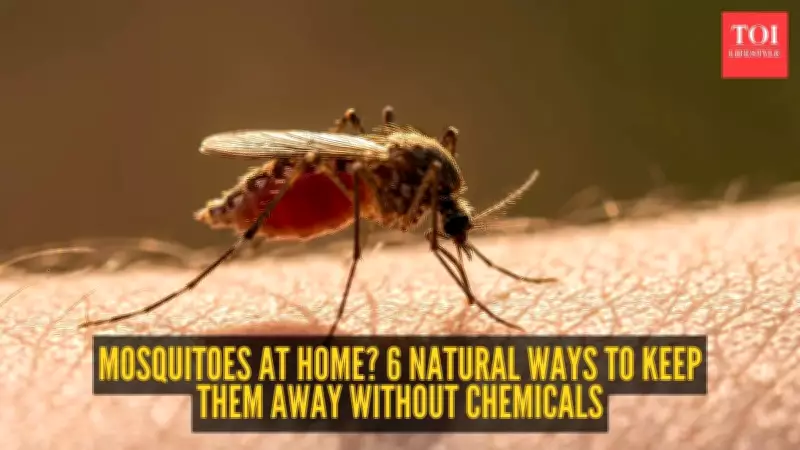
Natural Mosquito Control: A Chemical-Free Approach to a Common Problem
Mosquitoes are unwelcome guests that arrive without warning, disrupting peaceful evenings with their persistent buzzing and irritating bites. The typical reaction involves reaching for chemical repellents or sprays, which often bring strong fumes and artificial scents into your home. While these products can be effective, they may feel excessive for addressing such a frequent nuisance. The real challenge isn't whether mosquitoes can be controlled—it's whether it's possible to do so without heavy reliance on synthetic chemicals.
This approach shifts the focus from eliminating mosquitoes after they invade to making your environment inherently less attractive to them. Mosquitoes are drawn to specific cues like body heat, carbon dioxide emissions, and particular odors. By altering these conditions, you can significantly reduce their presence naturally.
Six Proven Natural Strategies to Repel Mosquitoes This Season
1. Eliminate Stagnant Water Sources

Begin by thoroughly inspecting your surroundings. Mosquitoes require minimal water to breed—even small amounts in buckets, plant trays, or collected rainwater can serve as breeding grounds. Ensure no water remains stagnant for more than two days. This simple preventive measure is one of the most effective steps in mosquito control.
2. Utilize Natural Scents That Mosquitoes Avoid
Certain natural fragrances can mask human scent and deter mosquitoes. Citronella is excellent for obscuring odors that attract mosquitoes. Lemongrass works well when placed near windows. Lavender offers dual benefits—calming for humans while repelling insects. Neem has been traditionally used in Indian households for its repellent properties. Consistently using even one or two of these scents can noticeably reduce mosquito activity.
3. Employ Mosquito-Repelling Plants
You don't need extensive gardening space to benefit from protective plants. Tulsi (holy basil), marigold, and mint are particularly effective. Positioning these plants near windows, doors, or balconies creates a natural barrier that mosquitoes are reluctant to cross.
4. Maintain Air Circulation
Mosquitoes are weak fliers that struggle against moving air. Using fans, especially during evening hours when mosquitoes are most active, makes it difficult for them to hover or settle. This straightforward method is frequently overlooked but can provide substantial protection.
5. Modify Personal Attractants
Everyday choices can inadvertently draw mosquitoes closer. Dark-colored clothing tends to attract more mosquitoes than light colors. Strong, sweet fragrances from perfumes or lotions can make it easier for mosquitoes to locate you. Making small adjustments in these areas can reduce your exposure significantly.
6. Implement Supporting Home Remedies
Additional natural methods can reinforce your mosquito control efforts. Occasionally burning neem leaves creates a repellent effect. Placing cloves and lemons in rooms may help deter mosquitoes. Applying diluted essential oils like citronella or eucalyptus to skin provides added personal protection. While these methods may not work instantly, regular use enhances their effectiveness.
Why a Layered Natural Approach Works Best
Effective mosquito control rarely depends on a single solution. Natural methods work best in combination, with each step reducing the likelihood of mosquitoes entering or remaining in your space. Over time, this layered approach creates a noticeable difference in mosquito activity without chemical dependence.
Start with a few methods and maintain consistency rather than attempting to change everything at once. Gradual modifications to your environment can significantly reduce mosquito presence. This approach represents more than just avoiding bites—it's about creating a comfortable living space that doesn't rely on harsh solutions. Sometimes, a more thoughtful, natural strategy proves equally effective as stronger chemical alternatives.
Disclaimer: These suggestions are based on commonly used natural methods. Their effectiveness may vary depending on individual conditions and specific environments.






