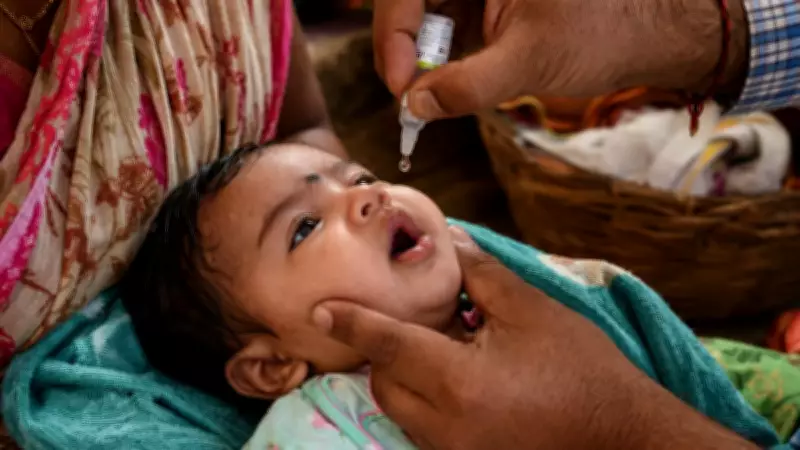
World Immunization Week 2026 is being observed from April 24 to April 30, emphasizing the critical role of vaccines in public health. This annual campaign aims to raise awareness about the importance of immunization in preventing diseases and saving lives. Vaccines have been one of the most significant medical advancements, leading to the eradication or control of numerous infectious diseases worldwide.
Diseases Eliminated by Vaccines
Vaccines have successfully eradicated or drastically reduced the incidence of several deadly diseases. Smallpox, once a devastating scourge, was declared eradicated in 1980 after a global vaccination campaign. Polio has been eliminated from most parts of the world, with only a few countries still reporting cases. Other diseases like measles, rubella, tetanus, diphtheria, and whooping cough have seen significant declines due to widespread immunization.
Benefits of Vaccination
Vaccination not only protects individuals but also contributes to herd immunity, reducing the spread of diseases within communities. It prevents millions of deaths each year and is a cost-effective public health intervention. Vaccines also help reduce the burden on healthcare systems by preventing outbreaks and long-term complications from infectious diseases.

Global Impact
According to the World Health Organization (WHO), immunization prevents 2-3 million deaths annually. The COVID-19 pandemic highlighted the importance of vaccine development and distribution. Efforts continue to ensure equitable access to vaccines, especially in low-income countries, to achieve global health security.
As World Immunization Week 2026 concludes, health experts urge governments and individuals to prioritize vaccination. Routine immunizations for children and adults are essential to maintain progress and prevent resurgence of preventable diseases. The theme for this year focuses on 'Vaccines for All,' emphasizing the need for inclusive and accessible immunization services.