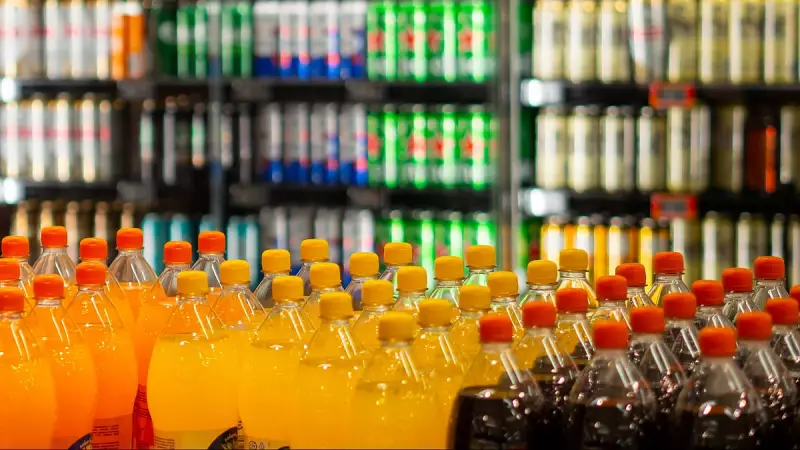
WHO Issues Warning on Low Taxes for Sugary Drinks and Alcohol
The World Health Organization has raised concerns about the affordability of sugary drinks and alcohol due to low taxes. This situation is making these products more accessible to consumers. As a result, health risks are on the rise globally.
Impact on Public Health
Low taxes lead to lower prices for sugary beverages and alcoholic drinks. People find it easier to buy them. This increases consumption rates significantly. Over time, this can cause serious health issues.
Obesity and diabetes are common problems linked to sugary drinks. Alcohol abuse contributes to liver disease and mental health disorders. The WHO emphasizes that these conditions strain healthcare systems worldwide.

Economic and Policy Considerations
Governments often set low taxes to boost sales and revenue. However, this strategy backfires in the long run. Higher healthcare costs offset any short-term economic gains. The WHO urges policymakers to reconsider tax structures.
Implementing higher taxes could reduce consumption. It might also generate funds for public health initiatives. Countries with stricter tax policies have seen positive outcomes. For example, some nations report lower rates of related diseases.
Global Trends and Recommendations
The affordability of these products is a global issue. Many regions face similar challenges. The WHO calls for coordinated action to address this problem. Key recommendations include:
- Increase taxes on sugary drinks and alcohol to discourage overconsumption.
- Use tax revenues to fund health education and prevention programs.
- Monitor and regulate marketing practices that target vulnerable groups.
Public awareness campaigns are also crucial. Educating consumers about the risks can lead to healthier choices. The WHO stresses that collective efforts are needed to combat this growing health threat.