

The port city of Visakhapatnam is facing a severe public health crisis as its air quality deteriorates to alarming levels. The Air Quality Index (AQI) has consistently breached the 300 mark, firmly placing the city in the "very poor" category. This persistent pollution has intensified concerns among citizens and authorities alike.
Root Causes of the Pollution Crisis
Experts and officials are pointing to a combination of factors for the hazardous air. A sharp increase in vehicular density and chronic traffic congestion are primary contributors. The problem is compounded by an ageing fleet of vehicles on the roads and widespread inadequate emission control practices. These elements together are creating a toxic mix that is choking the city.
In response, the AP Pollution Control Board (APPCB), in close coordination with the state transport department, is gearing up for a major intervention. The agencies are actively considering launching a comprehensive, city-wide scientific assessment of vehicular emissions. The goal is to move beyond general observations and gather hard data.

The APPCB's Scientific Action Plan
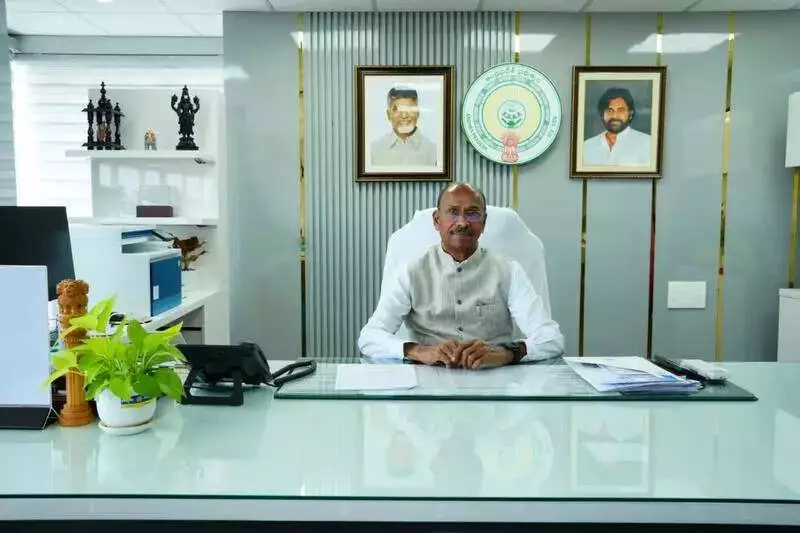
Speaking to The Times of India, APPCB chairman Dr P Krishnaiah outlined the board's strategy. "The PCB is planning to collect the current total vehicle population strength in Visakhapatnam," he said. The study will specifically categorize vehicles that have exceeded their life, are nearing full life, or have crossed seven years of service. This data will be used to assess the pollution emitted by each category of vehicle in the urban landscape.
The proposed assessment is expected to be thorough and multi-faceted. It will include:
- Extensive on-road emission testing of vehicles.
- Scrutiny of compliance with Bharat Stage (BS) emission norms.
- Detailed analysis of pollution hotspots, including major traffic junctions, industrial corridors, and densely populated residential areas.
Older vehicles, diesel-powered commercial fleets, auto-rickshaws, and poorly maintained public transport are likely to be under particular scrutiny. These are known to be disproportionate emitters of harmful pollutants like particulate matter (PM2.5 and PM10) and nitrogen oxides.
Long-Term Solutions and Policy Framework
Dr Krishnaiah emphasized the urgency of the situation, noting Visakhapatnam's status as a major industrial hub. The impending arrival of several multinational companies to set up AI Data Centre Hubs could further strain the city's air quality. "In this context, the PCB wants to quantify the pollution levels emitted through vehicles and aims to reduce the pollution with technology adoption," he stated.
The chairman revealed a concrete plan to promote cleaner transportation. "We plan to convert diesel-run vehicles into electric and CNG vehicles through retrofitment," he explained. To encourage this shift, the government intends to frame a policy providing financial subsidies to private transport owners, such as auto and cab taxi operators, to convert their vehicles to electric power.
According to available information, the broader policy framework may encompass several key measures:
- Stricter enforcement of existing emission standards.
- Intensified mandatory vehicle fitness certification checks.
- A phased withdrawal of highly polluting vehicles from city roads.
- Active promotion of electric and cleaner-fuel vehicles.
- Implementation of traffic decongestion measures.
- Strengthening public transport systems to reduce reliance on private vehicles.
The comprehensive emission assessment is seen as the critical first step towards evidence-based policymaking. Its findings will directly inform these targeted actions aimed at reclaiming clean air for the residents of Visakhapatnam.






