A major public health crisis has gripped Gandhinagar and Bengaluru, with sewage contaminating drinking water pipelines, sparking fears of a situation similar to the recent tragedy in Indore that claimed 10 lives. Residents in both cities are reporting severe illnesses, forcing authorities into emergency action.
Gandhinagar Grapples with Typhoid Surge
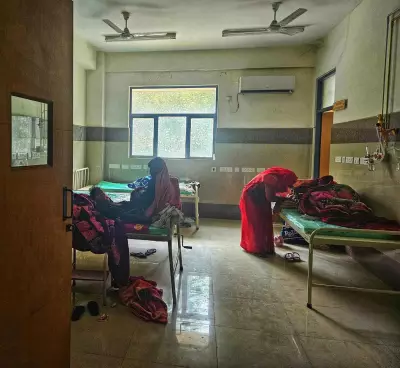
Health officials in Gujarat's capital have confirmed 70 active typhoid cases, concentrated in sectors 24, 26, 28, and the Adiwada area. The outbreak is directly linked to contaminated water supply. The crisis has prompted the local civil hospital to open a special 30-bed paediatric ward to handle the influx of children suffering from high fever and gastrointestinal symptoms. Doctors note a steady stream of young patients, though none are currently reported to be in serious condition.
This alarming situation has emerged despite a significant Rs 257-crore investment in a 24x7 water supply project. Engineering officials have admitted a critical flaw: drinking water pipelines were laid dangerously close to sewer lines. A senior official from the roads and buildings department explained that when high-pressure water began flowing through the new system, weak pipes developed leaks, allowing sewage to seep in.

"Once there is leakage and the sewer line is nearby, contamination becomes inevitable," stated a district collectorate officer. Municipal Commissioner JN Vaghela assured that leakages are being plugged and that recent water samples show improvement. "We are hopeful of containing the outbreak in a day or two with super chlorination," he added.
Bengaluru Layout Battles Mystery Leak
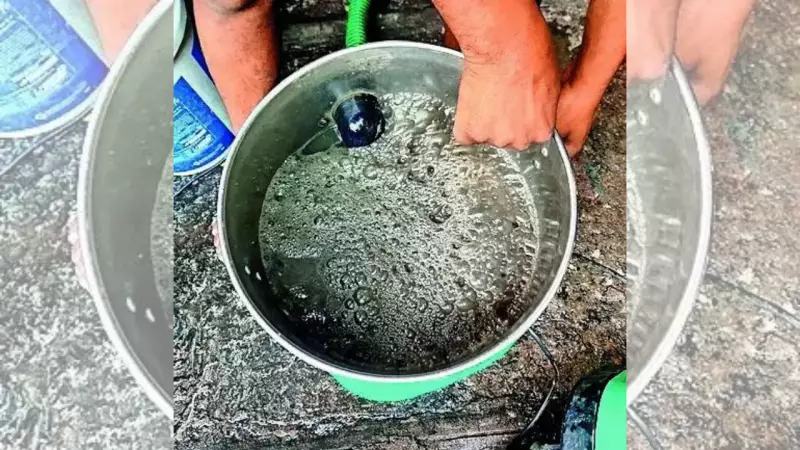
Meanwhile, in Bengaluru's KSFC Layout within the Lingarajapuram area, a similar nightmare is unfolding. For months, residents have experienced gastrointestinal pain, vomiting, and diarrhoea, with several cases requiring hospitalisation. The scale of the problem became starkly evident only recently when people noticed foul-smelling, frothy water and discovered thick layers of dark sewage silt while cleaning their underground water sumps.
This has forced at least 30-40 households to switch to expensive private water sources for over a week. Following numerous complaints, officials from the Bengaluru Water Supply and Sewerage Board (BWSSB) inspected the area on Friday and Saturday. They confirmed that sewage had indeed infiltrated the potable water pipeline at an unidentified point.
However, frustrated residents allege that authorities have yet to pinpoint the exact breach. They report that officials are digging up multiple locations in a trial-and-error method to trace the fault, prolonging their hardship and health risk.
A Recurring National Concern
The incidents in Gandhinagar and Bengaluru highlight a severe and recurring infrastructure failure in urban India, coming close on the heels of the fatal contamination in Indore. They expose critical gaps in planning and maintenance, where water and sewage lines are not adequately separated, putting thousands of citizens at risk of waterborne diseases. The focus now is on how swiftly and effectively municipal bodies can not only fix the immediate leaks but also audit and overhaul their aging network to prevent such scares in the future.