

Crude Oil Prices Skyrocket Over 40% in 15 Days Amid US-Israel-Iran Conflict
Crude oil prices in the international market have experienced a dramatic surge of more than 40 percent in just 15 days, driven by the ongoing military conflict involving the United States, Israel, and Iran. This escalation has severely disrupted the critical energy supply route through the Strait of Hormuz, sending shockwaves through global energy markets, with Asia being particularly affected.
Sharp Price Increase and Market Disruption
Before the conflict began, crude oil prices were trading at approximately USD 73 per barrel on February 27. However, by Saturday, prices had sharply escalated to around USD 103 per barrel. This represents an absolute increase of USD 30 and a percentage rise of approximately 41.1 percent in a very short timeframe.
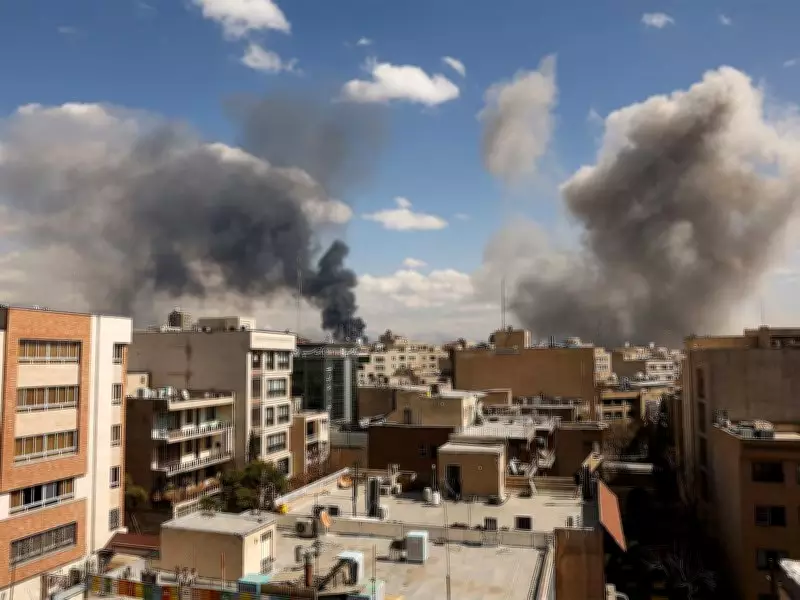
The intense military conflict between the U.S. and Iran commenced on February 28, when U.S. and Israeli forces launched direct attacks on Iranian military assets and leadership. Reports indicate that Iran's Supreme Leader Ayatollah Ali Khamenei was killed in these strikes. The sharp jump in oil prices reflects growing global concerns about energy supply disruptions as the conflict escalates in the Middle East.

Expert Insights on Market Volatility
Market experts warn that developments related to the conflict will continue to influence global markets in the coming days. Ponmudi R, CEO of Enrich Money, stated that the week ahead is expected to remain highly volatile as investors closely track geopolitical developments.
"The week ahead is expected to remain highly volatile, with market direction largely influenced by developments surrounding the ongoing conflict in the Middle East. Investors will closely track statements from key government officials and global stakeholders involved in the situation for any signals of escalation or potential diplomatic de-escalation," Ponmudi said.
He added that such developments will play a crucial role in determining crude oil price trends, global bond yields, and currency market volatility. According to him, particular focus will remain on the Strait of Hormuz, which is considered one of the world's most critical energy chokepoints.
Impact on Global Energy Supply
Any prolonged disruption to shipping through the Strait of Hormuz could tighten global oil supplies, influence inflation expectations across Asia, and keep overall market risk sentiment fragile. This situation underscores the vulnerability of global energy markets to geopolitical tensions in key regions.






