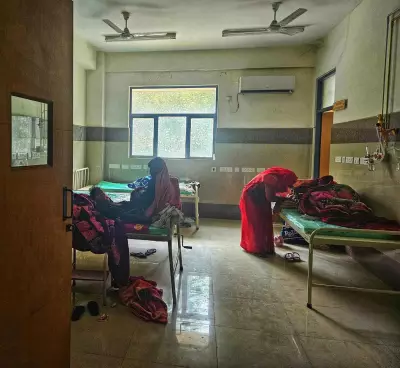
The toxic air that chokes India's northern plains each winter, forcing residents to gasp for clean breath, is now being linked to a more intimate and widespread health crisis: significantly increased menstrual pain. Groundbreaking research indicates that the very air women breathe could be turning monthly cycles into episodes of intense suffering, transforming a private ordeal into a pressing public health concern.
The Alarming Findings of the 2021 Taiwan Study
In a pivotal 2021 study published in the journal Frontiers in Public Health, researchers uncovered a disturbing connection between long-term air pollution exposure and dysmenorrhea, the medical term for painful menstrual cramps. The study, which followed a massive cohort of over 296,000 girls and women in Taiwan for 13 years, yielded startling results.
All participants had no prior history of menstrual pain at the study's start. The scientists then correlated their health outcomes with air quality data. The comparison was stark: women living in areas with the highest concentrations of major pollutants faced a dramatically elevated risk. Specifically, exposure to high levels of nitrogen oxides, carbon monoxide, and fine particulate matter (PM2.5) was associated with a 16 to 33 times greater risk of developing painful periods compared to those residing in the least polluted zones.

Among the pollutants, PM2.5 demonstrated the strongest individual effect. These microscopic particles, small enough to invade the deepest parts of the lungs and even enter the bloodstream, are believed to trigger persistent low-grade inflammation and oxidative stress in the body. This state of internal turmoil can lead to hormonal imbalances and heightened uterine contractions, which are the primary drivers of severe menstrual cramping.
Why This Research Hits Home in India's Pollution Reality
The implications of this study are particularly urgent for India, especially in its northern region. For months during winter, cities like Delhi endure air quality index (AQI) levels that are consistently rated "severe to hazardous." Recent 24-hour average values in the capital have frequently soared above 400, with peak readings sometimes eclipsing 700. These figures represent a catastrophic breach of international safety standards for PM2.5 and nitrogen oxides (NOx).
This means millions of women in these cities are enduring the exact type and intensity of prolonged pollutant exposure that the Taiwanese study identified as responsible for a sharp spike in dysmenorrhea cases. The research suggests that for women in Delhi who have breathed "very poor" to "hazardous" air for the past month, "menstrual pain becomes a public problem instead of a private one."
Emerging evidence confirms this is not an isolated finding. Additional studies have drawn links between air pollution and other menstrual disruptions, including irregular cycles, shortened luteal phases, and higher rates of doctor visits for menstrual complaints. Further analysis of over 2.2 million menstrual cycles in 2025 reinforced that women exposed to higher pollution levels experienced more cycle disruption.
Protective Steps for Women and a Call for Policy Action
While systemic change is essential, experts recommend several personal protective measures to mitigate risk. Women are advised to monitor real-time AQI applications and limit outdoor activities when air quality is "very poor" or worse. Wearing a properly fitted N95 mask outdoors can filter a substantial portion of PM2.5 particles. During peak pollution hours, keeping windows closed and using air purifiers indoors is also beneficial.
Medical consultation is crucial if there is a sudden worsening of period pain, cycles become irregular, or pain interferes with daily activities, especially for teenagers and young adults. A supportive lifestyle incorporating regular exercise, adequate sleep, anti-inflammatory foods, and avoiding smoking may help counteract some of the air's inflammatory effects, though these do not replace the need for cleaner air.

The need for policy intervention is critical. Dysmenorrhea already affects an estimated 16 to 91 percent of women of reproductive age, with about 29 percent experiencing pain severe enough to limit school, work, or other activities. If air pollution potentiates this risk in smog-choked megacities, the societal impact extends far beyond individual discomfort. The clear message from the 2021 research and subsequent studies is that menstrual health must be integrated into air quality discourse. As AQI graphs darken each winter, women's pain is not just a period problem—it is a potent biomarker of the toxins ravaging their bodies from within.