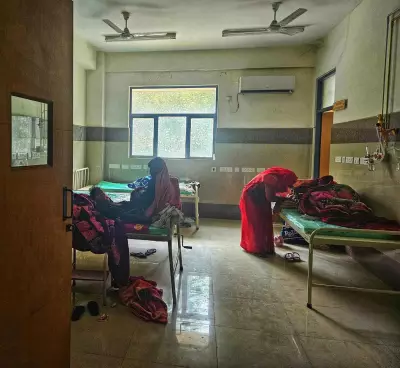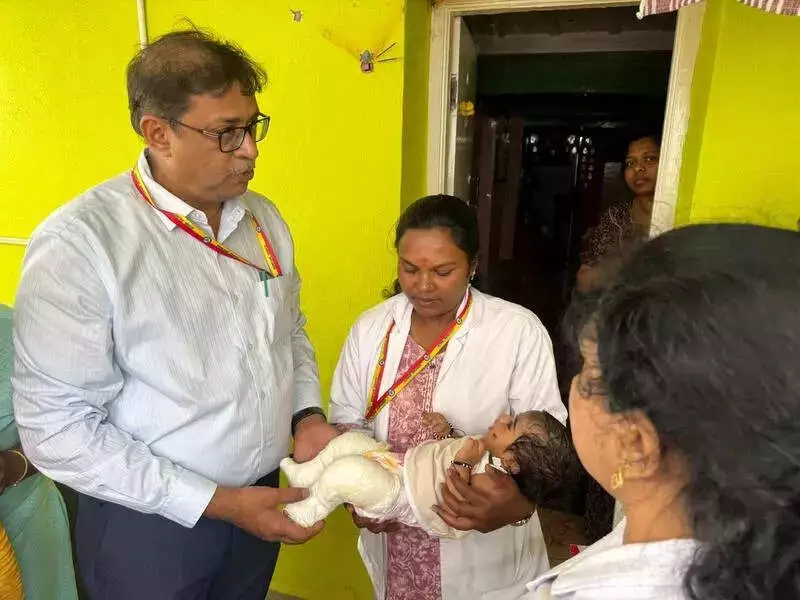
In a significant public health achievement, Mysuru district has recorded a sharp and encouraging decline in its Maternal Mortality Rate (MMR). Sustained and well-coordinated interventions by the health department have led to a dramatic reduction in the number of women dying due to pregnancy-related complications.
A Sharp Decline in Tragic Numbers
The data reveals a compelling story of improvement. Between January and December 2024, the district reported 28 maternal deaths. However, in the following year, from January to December 2025, this figure saw a substantial drop to just 11 deaths. This represents a decline of over 60%, marking a major step forward for maternal healthcare in the region.
Dr Mohammed Siraj Ahmed, the Reproductive and Child Health Officer (RCHO) of the health and family welfare department, clarified that a maternal death refers to the demise of a woman during pregnancy, childbirth, or the postnatal period due to complications related to pregnancy. He highlighted that the major causes include severe bleeding, infections, high blood pressure, unsafe abortions, and cardiac conditions. The economic and emotional toll of such tragedies on families and the wider community is profound.

Multi-Pronged Strategy Yields Results
The district administration's targeted strategy is now yielding tangible results. A key focus has been on ensuring timely provision of iron and calcium supplements to pregnant women, meticulously tracked through Mother Card records. Furthermore, all private hospitals under the Karnataka Private Medical Establishments (KPME) Act are under strict monitoring. Officials confirmed that penalties have been imposed on institutions found lacking in maternal care during review meetings chaired by the Deputy Commissioner.
The system of conducting both community and institutional maternal death audits within set timelines has been strengthened. Feedback from these audits is shared at the field level to promptly address any gaps in care. Under the Pradhan Mantri Surakshit Matritva Abhiyan (PMSMA), regular health check-ups are guaranteed for all pregnancies, with special attention to high-risk cases.
Leveraging Technology and Community Outreach
Innovative practices have been integrated into the healthcare framework. WhatsApp groups have been created to manage emergency deliveries and high-risk cases efficiently, enabling swift communication among medical professionals. To ensure no woman is left behind in an emergency, vehicles have been deployed in identified vulnerable areas, with their movement monitored at the district level.
On the ground, monthly tracking of expected pregnancies and continuous follow-up of referral cases from both government and private hospitals form the backbone of the initiative. Awareness programmes conducted through Village Health, Sanitation and Nutrition Committees (VHSNCs), Village Health and Nutrition Days (VHNDs), and child development committees have played a crucial role in educating communities.
A special focus is also being placed on preventive measures, including preventing adolescent pregnancies, discouraging child marriages, and promoting a minimum three-year gap between pregnancies.
Administration's Commitment to Zero Preventable Deaths
Deputy Commissioner G Lakshmikantha Reddy emphasized that the district administration accords top priority to maternal health and is unwavering in its commitment to preventing every avoidable maternal death through coordinated efforts and innovative practices.
Echoing this sentiment, Zilla Panchayat CEO S Ukesh Kumar highlighted that inter-departmental coordination at the community level is crucial to further reduce maternal deaths and ensure timely, appropriate care for every pregnant woman. He added that the Zilla Panchayat is actively involved in driving awareness campaigns at the grassroots level to sustain this positive momentum.