Restaurants in Major Cities Face Operational Crisis Due to LPG Cylinder Shortage
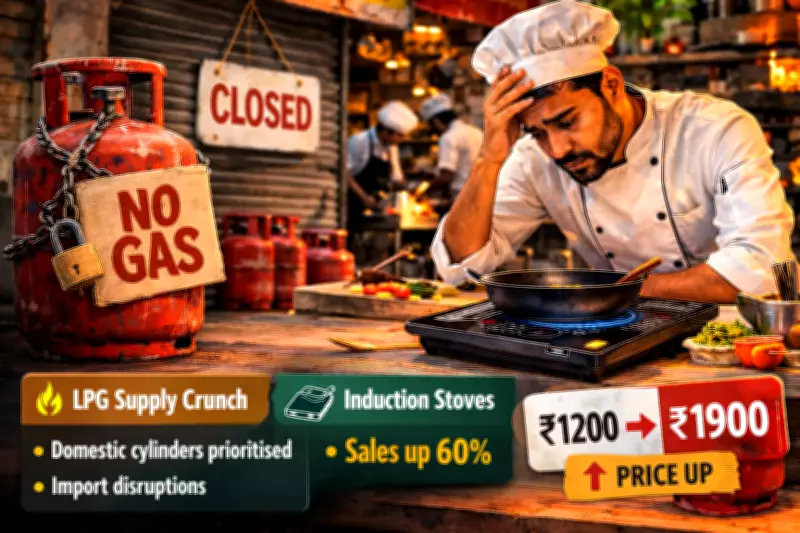
A critical shortage of commercial LPG cylinders is threatening to bring restaurant operations to a standstill in prominent urban centers like Bengaluru and Chennai. The supply crunch, attributed to significant disruptions in distribution networks and logistical delays, has left numerous eateries struggling to maintain their kitchen supplies. Compounding the issue, oil marketing companies are reportedly prioritizing the allocation of domestic LPG cylinders to households, further squeezing the availability for commercial establishments.
Industry Associations Sound Alarm Over Impending Shutdowns
Hotel and restaurant associations have issued urgent warnings, highlighting that many establishments have received minimal or zero deliveries of commercial cylinders in recent days. In formal communications to government authorities, these industry bodies have cautioned that without immediate restoration of supplies, a wave of temporary restaurant closures could be imminent. The associations are actively appealing to both government agencies and oil marketing companies to intervene decisively, ensuring an uninterrupted and reliable LPG supply chain specifically for the hospitality sector.
Restaurants Scramble for Alternative Cooking Solutions
Faced with this operational crisis, numerous restaurants are proactively exploring temporary alternatives to keep their kitchens functional. There is a notable surge in the adoption of induction stoves and various electric cooking equipment as stopgap measures. This shift is a direct response to the unreliable LPG supply, allowing businesses to continue service while navigating the shortage.

Surge in Sales of Induction and Electric Cooking Appliances
Retailers across affected regions are reporting a dramatic spike in the sales of induction cookers, with figures rising by as much as 60% in recent days. This increase is driven by both restaurants seeking alternatives and households preparing for potential LPG scarcities. According to detailed reports, some stores have witnessed daily sales volumes jump from approximately 40–45 units to an astounding 120–130 units during this period.
Other electric cooking appliances, including electric kettles and hot plates, are also experiencing heightened demand. This trend underscores a broader market adaptation as both commercial entities and individual consumers brace for extended periods of LPG supply instability. The situation highlights the vulnerability of the food service industry to supply chain disruptions and the rapid market shifts that can occur in response to such crises.