

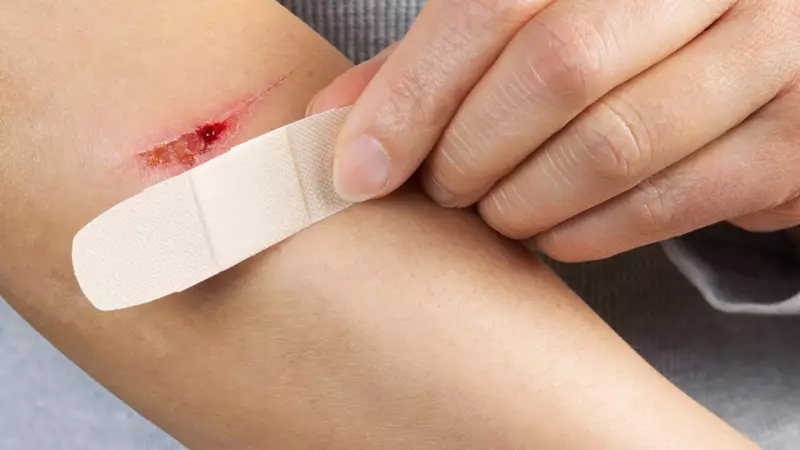
A routine metro commute in a bustling Indian city turned into a source of anxiety and a stark public health reminder for social media personality Anushka Pawar. After navigating the crowded train like any other day, she later discovered a thin, clean cut on her arm, blood oozing from a wound she had no memory of receiving.
The Unnoticed Injury: A Chilling Reality of Crowded Commutes
Anushka's experience underscores a frighteningly common vulnerability. She was simply part of the crowd, fighting through the throngs during rush hour. There was no sudden jolt, no memorable impact from a bag or jewelry that could explain the precise cut. The chilling aspect of her story is the ease with which such a minor prick can go completely unnoticed amidst the inevitable jostling and contact of a packed train.
By the time she realized she was injured, her fellow commuters had dispersed. With no suspect, no clear cause, and no immediate access to CCTV footage, filing a formal report seemed nearly impossible. The origin of the cut—whether from a sharp metal edge, a damaged seat, or something else—remained a mystery. Faced with this dead end, Anushka did what many would: she shared her story to raise awareness.

Why a 'Small' Cut is a Big Health Concern
From a medical standpoint, any break in the skin is an open gateway for infection. In the environment of public transport, germs from handrails, seats, and mobile phones can easily enter through such a wound. The risk is amplified in warm, humid conditions where bacteria thrive.
However, the more serious concern lurking behind an unexplained cut is tetanus. This potentially fatal disease is caused by bacteria commonly found in soil, dust, and on contaminated surfaces. It enters the body through wounds and produces a toxin attacking the nervous system, leading to muscle rigidity, lockjaw, and breathing difficulties. There is no cure once severe symptoms manifest, making prevention absolutely critical.
When you cannot identify how a cut happened, you cannot assess if the object was clean or contaminated. This uncertainty is precisely why healthcare professionals immediately think of tetanus protection in such scenarios.
Tetanus Protection: A Lifesaving Habit for Commuters
While most Indians receive tetanus shots in childhood, immunity wanes over time. A booster dose is recommended every ten years for general protection, and every five years for higher-risk injuries. In cases of an unknown or contaminated wound, doctors often recommend a booster if the patient's vaccination history is unclear or outdated.
"Anushka's story should trigger two immediate questions for every commuter," says a public health expert. "When was my last tetanus shot? Do I need a booster now?" An unexplained cut should serve as a reminder to check your vaccination status, not be ignored.
To enhance safety during daily travel, consider these practical habits:
- Wear full-sleeved clothing and longer hemlines during rush hour to minimize skin exposure to sharp edges and dirty surfaces.
- Stay alert when boarding; avoid leaning against broken seats, loose screws, or damaged panels.
- Carry a small personal health kit with alcohol wipes, bandages, and antiseptic cream.
- Make a quick visual check of exposed skin after exiting your transport and upon reaching your destination.
- Proactively integrate tetanus shots into your long-term health plan. Record the date of your last vaccination and set reminders for the next booster.
Anushka Pawar's unsettling experience is a powerful wake-up call. It transforms the anonymous daily commute into a moment for personal vigilance and highlights that safeguarding our health in public spaces requires both awareness and proactive medical preparedness.






