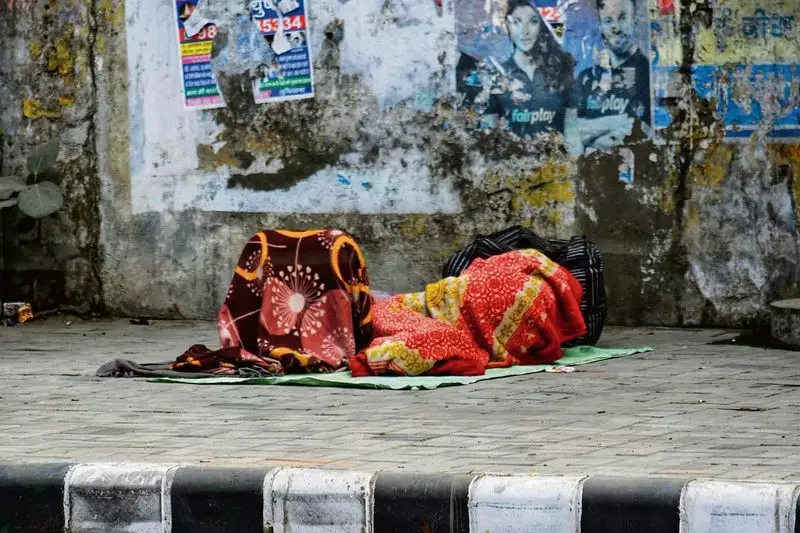
The plight of Ludhiana's homeless population has come under sharp focus, prompting urgent discussions on how city authorities can provide not just basic shelter but also dignity and a path to rehabilitation. The issue, highlighted in a recent public discourse, underscores a growing urban crisis where hundreds sleep on footpaths, under bridges, and in public spaces, battling the elements and societal neglect.
The Stark Reality on Ludhiana's Streets
Despite the existence of official night shelters, a significant number of homeless individuals in the industrial hub of Ludhiana remain exposed to the harsh realities of street life. The primary state-run facility, the Night Shelter near Jagraon Bridge, often fails to attract its intended beneficiaries due to a combination of accessibility issues, lack of awareness, and sometimes, the conditions within. Many homeless persons, including daily wage laborers, rag-pickers, and those with mental health challenges, find the city's footpaths a more familiar, if perilous, home.
Experts and social workers point to a critical gap between the provision of shelter and the actual uptake. The problem is not merely about four walls and a roof; it involves addressing the root causes of homelessness and making shelters more humane and supportive. Dr. Sandeep Bhola, a noted psychiatrist, emphasizes that a substantial segment of the homeless population suffers from untreated mental illnesses, making them incapable of seeking help independently. Without targeted outreach and medical intervention, they remain trapped in a cycle of destitution.
Proposed Solutions for Sustainable Rehabilitation
A multi-pronged strategy is essential to tackle this complex social issue. First and foremost is the need for enhanced and proactive outreach programs. Instead of waiting for the homeless to find the shelters, dedicated teams comprising social workers and medical professionals should regularly visit their common haunts. These teams can build trust, offer immediate aid, and encourage them to use shelter facilities.
Secondly, the existing shelters require a major overhaul to become truly attractive and functional. Suggestions from the discourse include:
- Improving basic amenities: Ensuring consistent clean water, functional toilets, adequate bedding, and proper lighting.
- Providing nutritional support: Offering at least one wholesome meal per day can be a significant incentive.
- Ensuring safety and dignity: Creating separate, secure spaces for women, children, and families to encourage their use.
- Integrating health services: Setting up regular health camps at shelters for basic check-ups and mental health counseling.
Furthermore, long-term rehabilitation is key. Shelters should not be dead-ends but gateways to a better life. This involves:
- Skill development and job linkage programs for those capable of working.
- Collaboration with NGOs for specialized care, especially for the mentally ill and addicts.
- Establishing a robust system to reunite displaced individuals with their families, where possible.
The Road Ahead: Collaboration and Political Will
The responsibility cannot lie with the Municipal Corporation alone. Effective change demands a collaborative model involving the district administration, the health department, police, and non-governmental organizations. The Punjab government's existing policies for homeless rehabilitation need to be implemented on the ground with greater sincerity and allocated funds.
Public awareness and community involvement also play a crucial role. Citizens can support by alerting authorities about homeless individuals in distress and supporting credible NGOs working in this space. Ultimately, solving Ludhiana's homeless crisis requires moving from a mindset of mere containment to one of compassionate rehabilitation. It is a test of the city's collective conscience and its claim to being a progressive, humane metropolis. The authorities have the blueprint from experts and activists; the need now is for decisive action and sustained effort to provide every citizen with the fundamental right to shelter and a chance at a dignified life.