

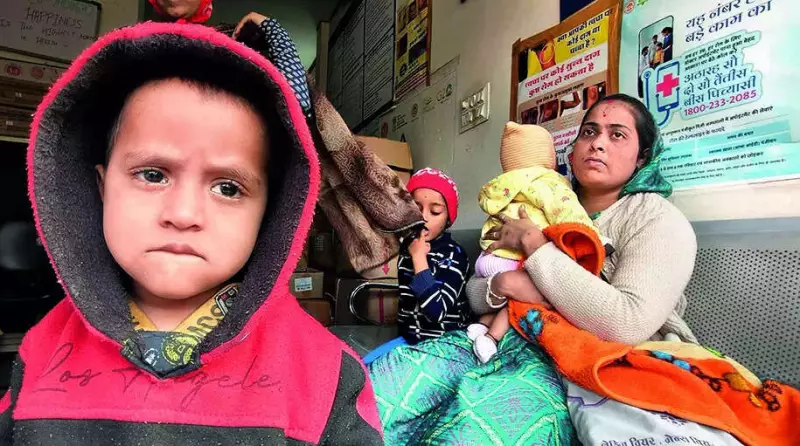
In the heart of Indore, a city repeatedly crowned as India's cleanest, a silent crisis has shattered the morning routine in Bhagirathpura. The familiar sounds of clanging utensils and the rush to collect water have been replaced by a fearful pause before every sip. This densely populated neighbourhood, home to daily-wage workers and shop employees, is grappling with the severe consequences of contaminated drinking water, which has triggered a widespread health emergency.
A Neighbourhood Gripped by Fear and Illness
The scale of the crisis is staggering. Almost every household in Bhagirathpura has reported members suffering from fever, vomiting, and severe dehydration. The trust in the municipal tap water has evaporated. Now, kitchens are lined with buckets and steel containers, all filled with water delivered by private tankers. This water is boiled multiple times before anyone dares to consume it, a new and burdensome daily ritual.
"There is not a single house where someone hasn't fallen sick," says Kamla Kumari, who was waiting for medicines for her ailing mother-in-law. Parvati Suryavanshi, 62, frail and recovering from a brutal bout of diarrhoea, represents the community's new reality. She waits patiently for a water tanker outside her house, next to a sealed blue plastic drum of tanker water. "We will boil this and drink. We no longer use tap water," she states, a sentiment echoed throughout the lanes.

The Crushing Financial Burden of a Health Crisis
For the residents of Bhagirathpura, the health disaster has rapidly spiraled into a severe financial one. The community, which largely cannot afford expensive RO systems or a steady supply of bottled water, finds itself dependent on paid water tankers. However, the real financial devastation comes from medical costs.
The story of Pushpa Morya is a heartbreaking example. Her 77-year-old husband's condition deteriorated so rapidly that the family had to shift him between three hospitals. Morya revealed they have already spent nearly Rs 15,000 on treatment, with an additional Rs 2,000 just on diapers. "As his health worsened, we kept changing hospitals. Along with the illness, now our savings are being completely exhausted," she said, highlighting the dual burden of sickness and economic ruin.
Lack of Warning and a Bitter Irony
Anger and frustration are growing among residents over the lack of a timely official warning. Families initially rushed to nearby clinics, confused about the cause of the sudden illnesses. The pattern linking the sickness to the Narmada supply water became clear only when it was too late for many. "If only someone had told us earlier that the water was unsafe," lamented a young resident. "The water kept coming, and people kept getting sick from it."
This situation presents a bitter irony for Indore. The city basks in national glory for its top rankings in cleanliness and sanitation, yet a fundamental component of public health—safe drinking water—has failed a vulnerable community within it. The crisis in Bhagirathpura stands as a stark reminder that accolades cannot mask critical infrastructure failures, where the poorest pay the highest price with their health and hard-earned savings.






